

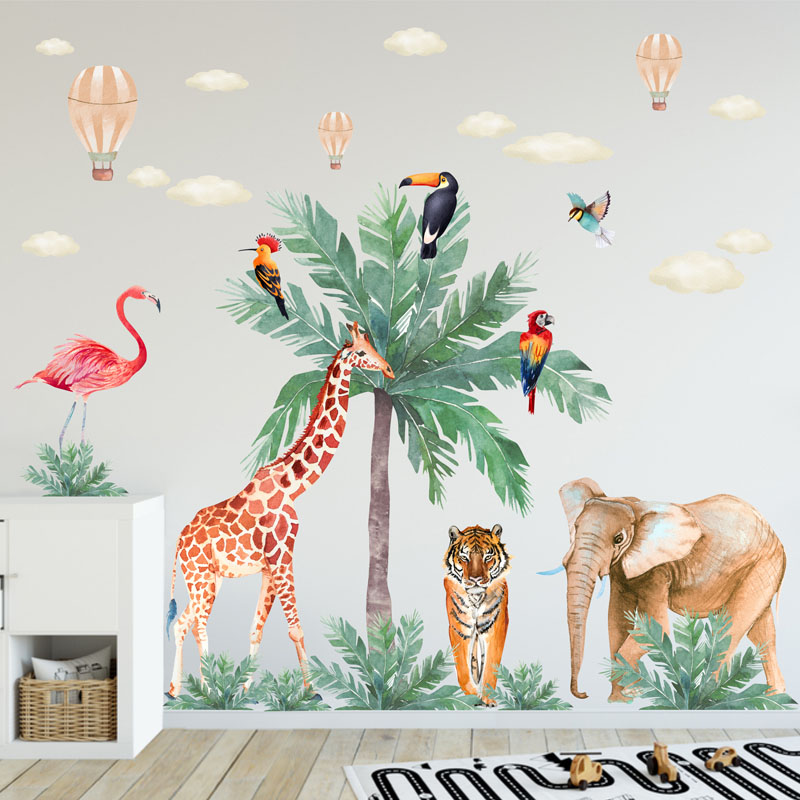
Woodland nursery decor is an interior design approach that transforms a baby’s room into a serene, nature-inspired sanctuary using earthy color palettes, forest animal motifs, and tactile organic fabrics. By focusing on woodland nursery decor, parents can create a calming, gender-neutral environment that grows seamlessly from the newborn stage into the toddler years. This comprehensive guide explores fundamental styling layers, essential color schemes, safe material selection, and practical design ideas to help you build a timeless storybook forest.
On this page
- What are the essential elements of woodland nursery decor?
- How do you style a gender-neutral woodland room?
- Why is material safety critical for nursery wall decals?
- What are the best woodland nursery decorating ideas for small spaces?
- How to transition a woodland nursery into a toddler room?
- Frequently asked questions
- Conclusion
What is woodland nursery decor and what does it mean for modern interior design? Woodland nursery decor means styling an infant’s room around peaceful forest themes, utilizing natural textures, muted earthy tones, and minimalist botanical or animal illustrations. Rather than relying on bright, stimulating primaries, this design philosophy emphasizes organic tranquility, non-toxic breathable materials, and sophisticated visual layers that foster restful sleep and cognitive calmness.
| Core Design Element | Ideal Nursery Choice |
| Wall Visuals | Woven fabric decals |
| Color Palette | Sage and warm clay |
| Textile Layer | Breathable cotton muslin |
| Furniture Accent | Natural raw oak |
What are the essential elements of woodland nursery decor?
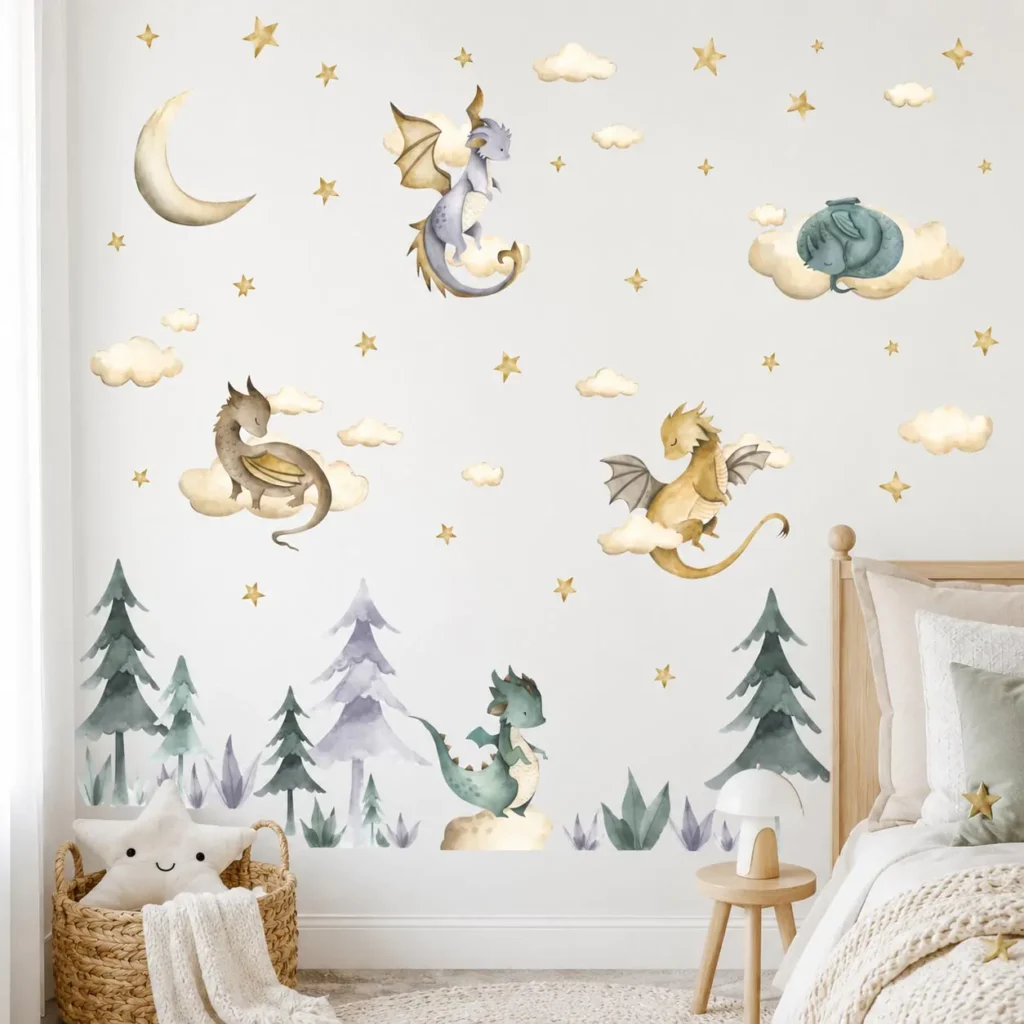
Creating an authentic woodland nursery decor concept requires more than merely placing animal graphics on a blank wall. It demands a holistic interior design strategy that mimics the soothing, multisensory experience of a quiet forest. Three foundational pillars support this aesthetic: an earthy color palette, sophisticated forest imagery, and rich, layered textures that engage both visual and tactile senses. When these elements align, the room achieves an elevated, artisanal atmosphere that feels restful for infants and aesthetically pleasing for adults. According to environmental psychology studies, exposure to natural elements and biophilic interior design in early childhood spaces can reduce stress levels and promote deeper, more restorative sleep cycles.
To execute this concept effectively, professional designers avoid cluttered arrangements and instead focus on intentional layering. Every piece introduced into the room should serve either a functional purpose or a distinct aesthetic objective. By prioritizing quality over quantity, the nursery remains an open, breathable environment where each design choice stands out cleanly.
Earthy color palettes and color psychology
The foundation of any successful woodland room begins with a thoughtfully curated, nature-inspired color palette. Rather than relying on traditional pastel pinks or baby blues, modern woodland concepts draw from the organic hues found on a forest floor. An ideal scheme incorporates sage green, warm oat, soft mushroom, rich terracotta, and creamy off-white tones. These muted shades have a high light reflectance value without causing visual overstimulation, which is essential during late-night feeding sessions and soothing routines.
Applying the interior design 60-30-10 rule ensures a balanced visual weight across the space:
- Use warm off-white or soft oat as the dominant 60% background color on primary walls and large furniture pieces to maintain brightness.
- Introduce sage green or warm clay as the secondary 30% shade through drapery, rugs, and statement architectural wall features.
- Reserve deep mushroom, matte black, or terracotta as the 10% accent tone for small decorative details, hardware, and artistic focal points.
Layering tactile textures and organic fabrics
Texture is the secret ingredient that transforms a flat, two-dimensional theme into an immersive, high-end sanctuary. In a forest environment, variety comes from the contrast between rough bark, soft moss, and delicate leaves. In a nursery setting, this variety is achieved through strategic textile layering using breathable, natural materials. Infants explore their environment through touch, making the selection of tactile fabrics both an aesthetic and a developmental priority.
Incorporating natural materials like jute, unbleached cotton, natural birch wood, and woven wool creates a rich sensory environment. For example, pairing a chunky looped wool rug with smooth, buttery muslin bedding introduces an inviting textural contrast. Additionally, woven wall hangings add necessary vertical height and acoustic absorption, helping to dampen household echoes and maintain a quiet, peaceful sleep environment.
How do you style a gender-neutral woodland room?
Woodland decor is widely recognized by interior designers as one of the most versatile gender-neutral nursery themes available today. By anchoring the design in organic nature rather than traditional gender tropes, parents can establish a sophisticated space suitable for any child. A successful gender-neutral design relies on architectural balance, realistic imagery, and timeless furniture selections that age gracefully without requiring a complete redesign after a few years.
To build a harmonious gender-neutral layout, focus on establishing a clear visual hierarchy. A primary focal point, typically the wall directly behind the crib, should anchor the room, while secondary elements provide softness and personality throughout the rest of the space.
- Select natural, unstained wood furniture made from sustainably sourced oak or beech to introduce organic warmth and structural stability.
- Install a large-scale architectural wall element above the crib to establish a sophisticated visual anchor without consuming floor space.
- Layer breathable, gender-neutral textiles in solid earthy tones rather than busy, overwhelming patterns to maintain a serene visual flow.
- Introduce warm, ambient lighting through dimmable sconces or woven rattan pendant lamps that cast soft, natural shadows.
Selecting minimalist forest creatures and botanical motifs
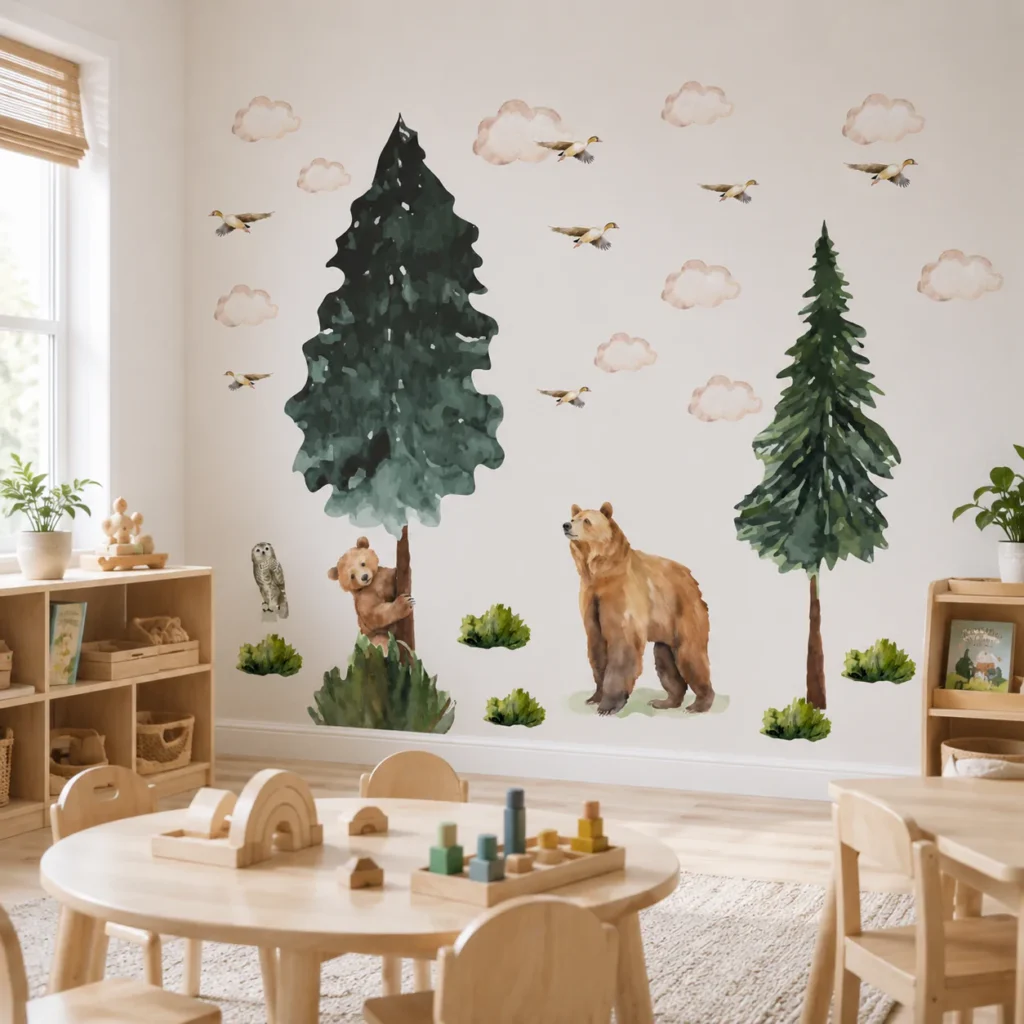
When incorporating animal imagery into a gender-neutral room, the artistic style dictates the overall sophistication of the space. To maintain a modern, elevated look, opt for minimalist, realistic illustrations over hyper-cartoonish or overly vibrant graphics. Hand-painted watercolor designs featuring native forest fauna—such as majestic deer, gentle bears, inquisitive foxes, and graceful birds—add character without dominating the visual landscape.
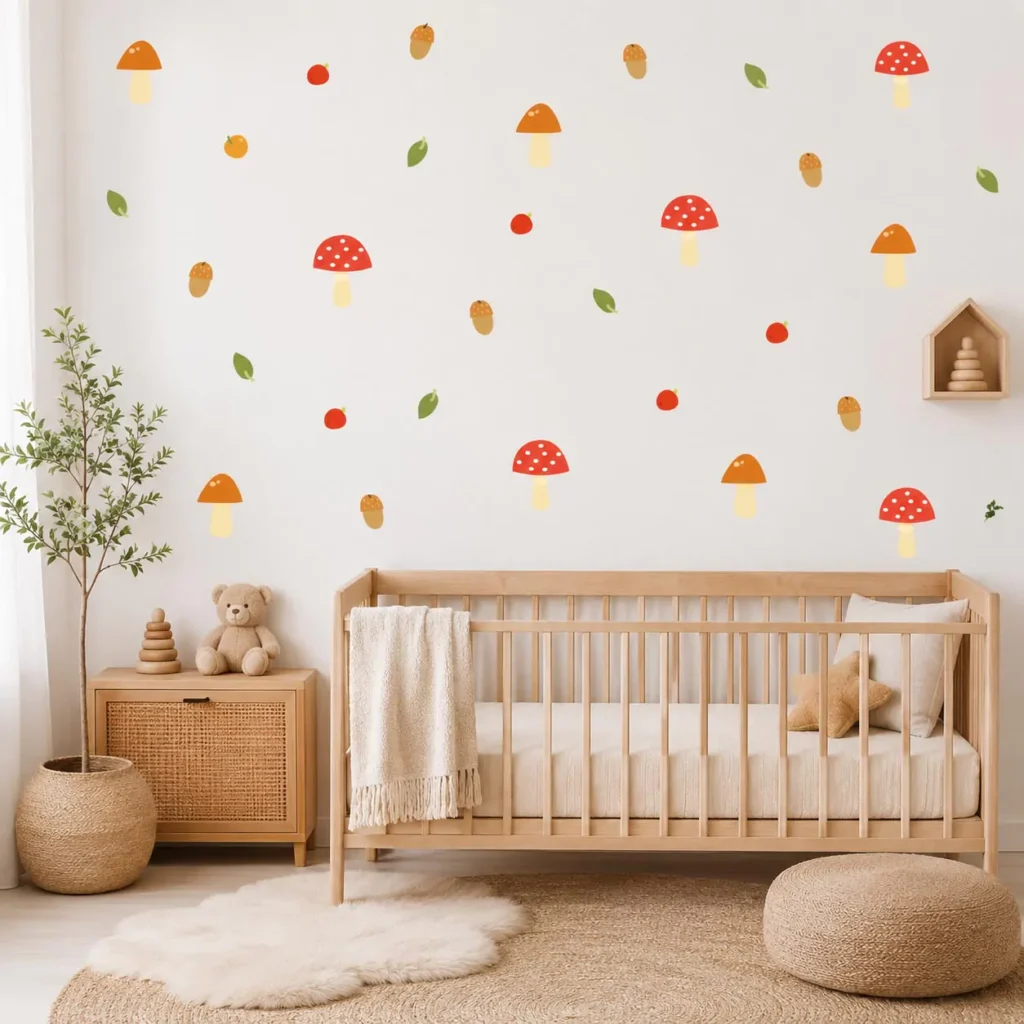
The key to utilizing woodland animal nursery decor is restraint. Rather than covering every wall with animals, designate a specific zone for these motifs. Describing designs as text-free, realistic, and minimalist ensures that the artwork complements the architectural features of the room rather than acting as a distraction. Introducing botanical elements like pine branches, delicate eucalyptus leaves, and organic mushroom caps alongside the animals creates a balanced, biodiverse visual ecosystem.
Balancing vintage woodland elements with modern design
A compelling interior design strategy involves blending vintage woodland nursery decor accents with clean, contemporary furniture lines. This juxtaposition prevents the room from feeling like a clinical showroom while avoiding an overly rustic or dated appearance. Vintage elements contribute heritage, storytelling, and warmth, whereas modern design principles ensure functionality, safety, and clutter-free organization.
To achieve this aesthetic equilibrium, pair sleek, mid-century modern cribs featuring slender spindles with heirloom-quality decorative accessories. An antique brass table lamp, a distressed wooden rocking chair, or a classic woven storage basket introduces timeless charm. When incorporating artwork, opt for pieces that evoke classic scientific botanical illustrations or traditional watercolor field guides, framed in simple, modern matte black or natural wood frames to bridge the gap between past and present.
Why is material safety critical for nursery wall decals?
When designing an infant’s room, aesthetic decisions must always operate in tandem with rigorous environmental health and safety standards. Newborns spend up to 16 hours a day sleeping in their nurseries, making indoor air quality a paramount concern for parents and health professionals alike. Traditional decorating methods often introduce hidden indoor pollutants, making the careful selection of wall coverings, paints, and textiles a critical aspect of nursery planning. According to environmental health organizations, indoor air can be up to five times more polluted than outdoor air due to chemical emissions from building materials and synthetic furnishings.
Understanding the material composition of decorative elements allows parents to make informed decisions that protect their baby’s developing respiratory system. Wall decals represent one of the most popular styling tools in modern nurseries, but the materials used in their manufacturing vary drastically in terms of safety, toxicity, and environmental impact.
The hidden hazards of traditional PVC vinyl
For decades, standard wall stickers have been manufactured using polyvinyl chloride (PVC), a synthetic plastic polymer commonly known as vinyl. While inexpensive and widely accessible, PVC vinyl presents significant health drawbacks, particularly in enclosed spaces like infant nurseries. The primary hazard stems from off-gassing—the slow release of volatile organic compounds (VOCs) and toxic chemical additives into the ambient air over time.
To make rigid PVC plastic flexible enough for wall stickers, manufacturers frequently add phthalates, chemical plasticizers that have been linked to respiratory irritation and developmental disruptions in infants. Furthermore, traditional vinyl decals utilize aggressive solvent-based adhesives that emit strong, lingering chemical odors and can permanently damage interior drywall and paint upon removal. For a room designed to nurture a growing baby, introducing materials that release synthetic chemicals is fundamentally counterproductive to creating a healthy home environment.
Advantages of breathable woven fabric and eco-certified inks
In response to the safety limitations of traditional vinyl, advanced interior design solutions now utilize PVC-free, breathable woven polyester fabrics for wall decorations. Unlike non-porous plastic sheets, woven fabric decals allow air to circulate through the material, preventing moisture trapping and inhibiting mildew growth on interior walls. This structural difference not only enhances physical safety but also delivers a superior, matte aesthetic that resembles hand-painted wallpaper rather than a shiny plastic sticker.
The manufacturing process behind high-quality fabric decals prioritizes environmental health at every step:
- Formulated entirely without PVC, phthalates, chlorine, or synthetic plasticizers to guarantee zero chemical off-gassing.
- Printed exclusively with eco-certified, water-based inks that are non-toxic, odorless, and non-flammable.
- Engineered with a specialized, low-tack repositionable adhesive that bonds securely to walls while peeling off cleanly without residue or surface damage.
At the Dos Junior studio in Texas, founder and textile designer Züleyha Demir leverages over a decade of industry expertise to craft hand-painted wall decor that meets these rigorous safety benchmarks. By utilizing breathable woven fabric and clean production methods, parents can confidently place intricate forest scenes directly above the crib without compromising indoor air quality.
What are the best woodland nursery decorating ideas for small spaces?
Decorating a compact nursery requires maximizing visual impact without encroaching on valuable floor square footage. In smaller rooms, traditional floor-standing decor like large bookshelves, bulky rocking chairs, and freestanding sculptures can quickly make the environment feel cramped and restrictive. The most effective design strategy for compact spaces utilizes vertical wall real estate to create depth, height, and visual interest while keeping the floor clear for safe navigation and play.
By focusing on high-impact wall applications and multifunctional textiles, even the smallest box room can be transformed into an expansive, enchanting forest retreat. Strategic color placement, scale manipulation, and integrated storage solutions allow parents to achieve a designer look without overcrowding the room.
Utilizing arch wall murals to create depth
One of the most effective interior design techniques for visually expanding a small room is the incorporation of architectural shapes that trick the eye. An arch wall mural acts as a trompe-l’œil, creating the optical illusion of an open window or alcove looking out into a vast woodland landscape. This technique introduces profound depth and architectural interest to plain, flat walls without requiring physical renovation or structural changes.
The Artic Animals Arch Wall Mural provides this exact gallery-wall framing effect, delivering a monumental design statement that requires zero floor space and not a single nail. When placed directly behind a crib or changing table, the curved silhouette of the arch breaks up the rigid, linear lines of standard nursery furniture, softening the overall geometry of the room. The height of the arch draws the viewer’s gaze upward toward the ceiling, making standard eight-foot rooms appear significantly taller and more spacious than their actual dimensions.
Incorporating functional woven wall hangings and bedding
In spatial design, every decorative item introduced into a compact room should ideally perform double duty—offering both aesthetic richness and functional utility. Wall decor that provides acoustic benefits or educational value exemplifies this efficient approach. For example, replacing heavy framed art prints with a soft, woven alphabet wall hanging introduces essential tactile warmth while serving as a quiet, educational visual aid that supports early linguistic recognition as the child grows.
Similarly, the selection of crib bedding should be viewed as a foundational interior design choice rather than an afterthought. Because the crib occupies a prominent percentage of a small room’s footprint, the textiles used inside it heavily influence the overall aesthetic. Integrating the Wild Flowers Muslin Bedding Set or a coordinated animals toddler bedding set instantly reinforces the woodland theme through soft, breathable layers. Parents frequently note that premium organic muslin becomes increasingly buttery soft with every wash, while its open-weave construction ensures optimal air circulation during warmer night-time temperatures.
How to transition a woodland nursery into a toddler room?
One of the most practical financial and aesthetic benefits of choosing a woodland theme is its inherent longevity. Unlike overly babyish themes centered around pastel cartoon characters or trendy pop-culture icons, an organic forest theme evolves seamlessly alongside a child’s natural development. By implementing a foundational design structure built on classic materials and adaptable visuals, parents can transition the space from a newborn nursery into an inspiring toddler room with minimal effort and expense.
The core design philosophy for a transitional room is simple: keep the expensive, permanent fixtures neutral and timeless, while utilizing easily changeable accessories to reflect the child’s maturing personality and emerging interests. This sustainable approach prevents the need for a complete decorative overhaul every few years.
- Replace the crib with a low-to-the-ground Montessori-style floor bed crafted from matching natural oak or birch wood.
- Lower wall art and interactive decorations to the child’s eye level to encourage independent discovery and self-directed play.
- Introduce low, accessible wooden storage cubbies featuring woven baskets to promote toddler organization and easy cleanup.
- Integrate cozy floor cushions and breathable muslin throws in empty corners to establish a dedicated reading and quiet-time nook.
Adapting personalized keepsakes and interactive decor
As infants transition into toddlerhood, they begin to develop a strong sense of self-awareness and name recognition. Incorporating personalized elements into the room’s decor fosters a sense of ownership, security, and belonging. Rather than relying on generic plastic nameplates, integrating artisanal customized decor elevates the aesthetic sophistication of the space while celebrating the child’s unique identity.
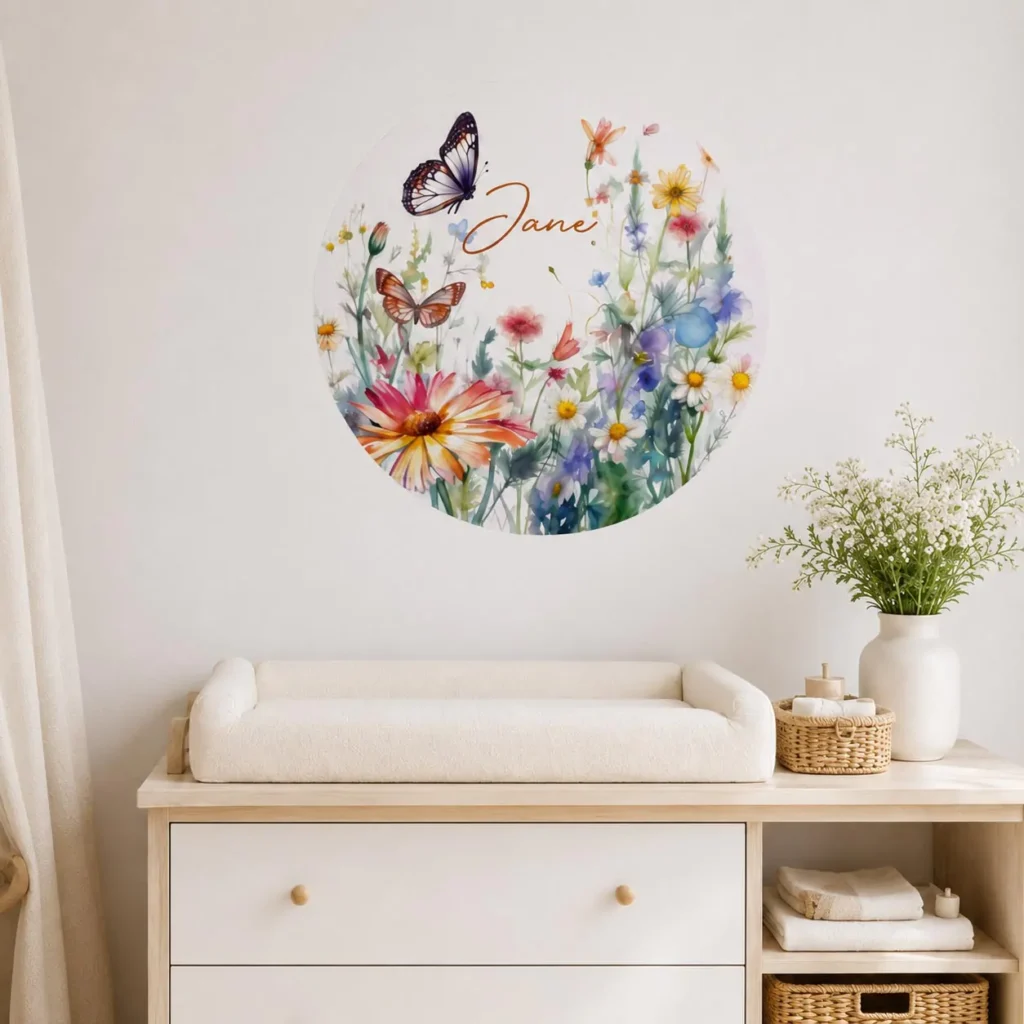
A Custom Penguin Wall Decal, tailored specifically with the child’s name, serves as a delightful, unexpected character within the woodland storybook narrative. Real-world feedback confirms the emotional power of these personalized details; as one mother, Shaimaa, reported, her son expresses pure joy and squeals with delight every time he walks into his room and greets his named character. Furthermore, adding Personalized Round Forest Wall Decals creates an intimate, custom-framed botanical scene around the child’s name—a timeless detail that frequently serves as a cherished keepsake gift from grandparents and extended family members.
Long-term durability of repositionable fabric decals
The physical longevity of nursery decor is severely tested during the active toddler years, when children begin to touch, explore, and interact directly with their surroundings. Traditional paper wallpaper or cheap vinyl stickers frequently peel at the seams, scratch easily, or suffer permanent damage from curious little hands, often forcing parents into costly and frustrating wall repairs.
High-quality woven fabric decals solve this functional challenge through their superior structural durability and unique adhesive properties. Because the material is tear-resistant and flexible, it withstands physical interaction without ripping or losing its structural integrity. More importantly, the repositionable nature of premium fabric decals allows parents to easily peel off and relocate individual elements as the room’s furniture layout evolves. If a toddler transitions to a larger bed or a reading desk is introduced, the surrounding forest animals, tree clusters, and Big Mushroom Wall Decals placed near the baseboards can be cleanly lifted and rearranged to fit the new spatial configuration, ensuring the storybook forest grows in harmony with the child.
Frequently asked questions
Is woodland nursery decor suitable for both boys and girls?
Yes. Woodland themes are inherently gender-neutral because they rely on organic nature, forest animals, and earthy color palettes. Utilizing muted tones like sage green, warm oat, and terracotta creates a balanced, timeless environment that works flawlessly for any baby without relying on traditional gender-specific color stereotypes.
Are fabric wall decals safer for babies than traditional vinyl stickers?
Yes. Woven fabric decals are significantly safer because they are 100% PVC-free, non-toxic, and odorless. Unlike traditional vinyl stickers that emit volatile organic compounds (VOCs) and contain harmful phthalate plasticizers, breathable woven fabrics utilizing water-based inks protect your baby’s indoor air quality and developing respiratory system.
How much does it cost to set up a high-quality woodland themed nursery?
A high-quality woodland nursery typically costs between $800 and $2,500, depending on furniture choices. You can achieve a luxury, artisanal look on a budget by investing in high-impact, repositionable fabric wall decals and organic cotton bedding, which transform standard neutral furniture into a custom designer space affordably.
Do wall decals damage nursery paint when removed?
No. Premium woven fabric wall decals engineered with low-tack, repositionable adhesives peel off cleanly without removing paint or leaving sticky residue behind. To ensure zero surface damage, always wait at least four weeks after painting new drywall before applying decals, allowing the underlying paint to cure completely.
Conclusion
Designing a serene woodland nursery requires a balanced integration of earthy color palettes, organic textures, and minimalist forest motifs. By prioritizing non-toxic, breathable materials like woven fabric wall art and cotton muslin textiles, parents establish a safe, calming sanctuary that supports healthy infant sleep and cognitive calmness. This versatile aesthetic transcends fleeting trends, offering a durable interior design foundation that adapts effortlessly from newborn naps to active toddler adventures. To explore hand-painted, PVC-free decor that brings your storybook forest to life without compromising indoor air quality, view our complete collection of artisanal nursery designs at Dos Junior.