

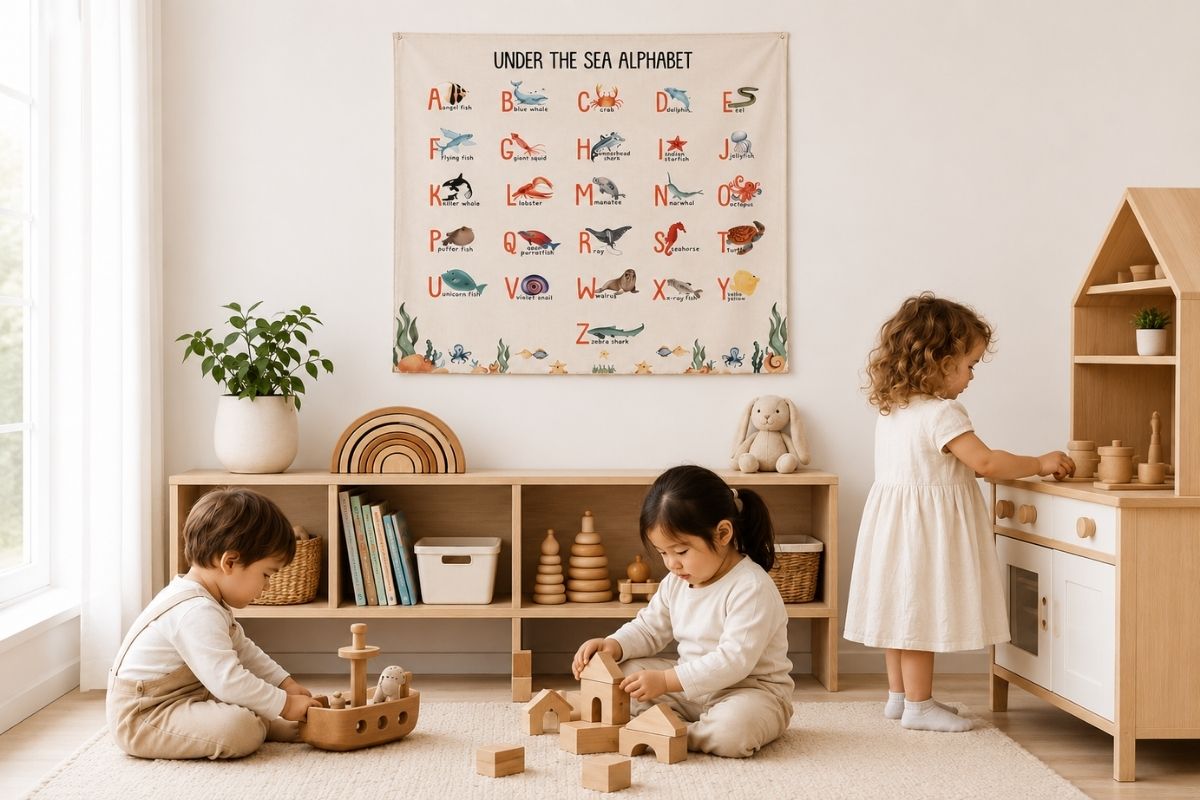
When designing a secure and tranquil resting environment for an infant, prioritizing wall hangings for nursery spaces over traditional heavy framed art is a critical safety decision. This comprehensive guide explores the profound architectural acoustic benefits, highly secure installation techniques, and the psychological advantages of utilizing realistic, text-free fabric artwork. By understanding modern interior design principles and pediatric safety standards, parents can successfully build a breathtaking, heavily insulated, and completely risk-free sanctuary for their baby.
Wall hangings for nursery are lightweight, soft fabric tapestries designed specifically to decorate infant rooms safely without the blunt-force risks of heavy wooden frames. They serve as functional architectural elements that provide critical acoustic sound dampening and visual warmth. A professional, high-quality setup typically features:
- Hypoallergenic, tightly woven fabric materials
- Text-free, highly realistic artistic illustrations
- Flush-mount, zero-gap secure installation systems
- Water-based, non-toxic sublimation printing
Are Fabric Wall Hangings for Nursery Safe Above a Crib?
When evaluating interior design elements for an infant’s room, aesthetic appeal must always remain strictly secondary to uncompromising physical safety. The space directly above the crib is traditionally the primary focal point of the room, making it the most desirable location for large-scale artwork. However, it is also the most perilous zone in the entire house. Understanding the structural, physical, and dynamic differences between traditional framed art and soft fabric decor is absolutely essential for responsible, hazard-free nursery planning.
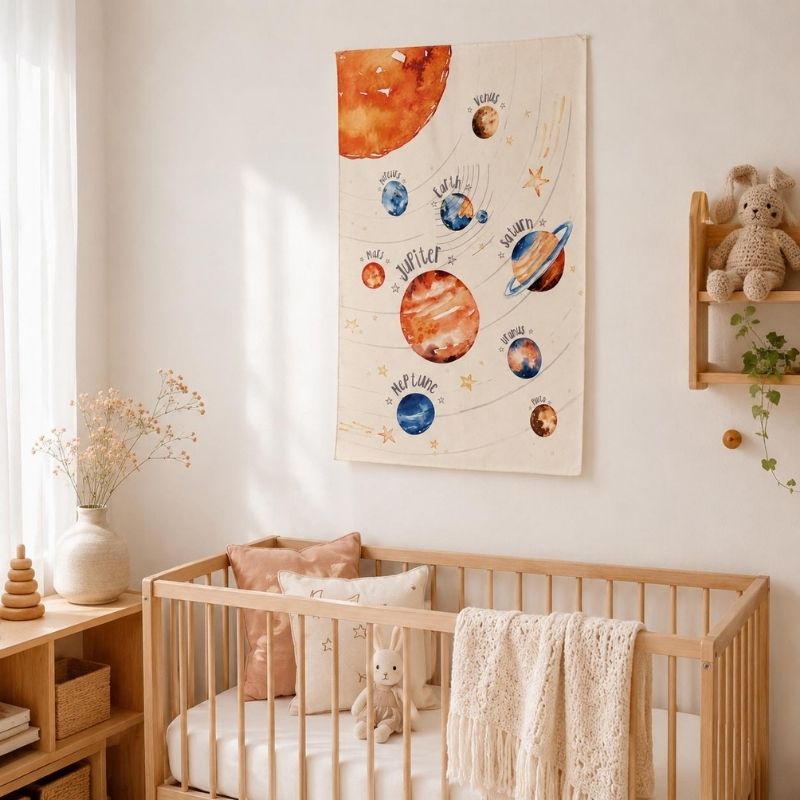
The Hidden Dangers of Traditional Heavy Framed Art
Traditional nursery decorations frequently involve heavy wooden, composite, or metal frames securing large sheets of glass or rigid acrylic panels. When suspended above a crib, these objects pose a severe and constant threat to the infant below. In the event of minor seismic activity, structural vibrations from a heavily closed door, or the eventual reaching and pulling of a growing, curious toddler who has learned to stand, a heavy frame can easily dislodge from its mounting hardware. The blunt-force impact of a falling frame, combined with the extreme laceration hazard of shattered glass, makes rigid art fundamentally unsuitable for the immediate crib perimeter. Safety experts, interior architects, and pediatricians consistently advise against placing any object with significant physical mass directly above a sleeping infant.
Secure Flush-Mount Installation Techniques for Soft Decor
Transitioning exclusively to fabric wall hangings for nursery completely neutralizes the threat of falling mass. Because high-quality tapestries weigh mere ounces, they inherently lack the physical mass required to cause any injury, even in the highly unlikely event of total detachment. Furthermore, soft decor can be installed using entirely flush, zero-gap mounting techniques. Utilizing specialized hook-and-loop fastening tapes or child-safe, heavy-duty adhesive strips ensures the fabric adheres tightly to the drywall across its entire top and bottom edges. This flush installation actively prevents the creation of gaps that tiny fingers might explore, grab, and pull. By integrating premium solutions like dosjunior fabric tapestries, parents can achieve a massive, breathtaking visual impact on the wall while maintaining an absolutely zero-risk, impenetrable environment directly above the crib.
Earthquake Preparedness and Seismic Safety in Nurseries
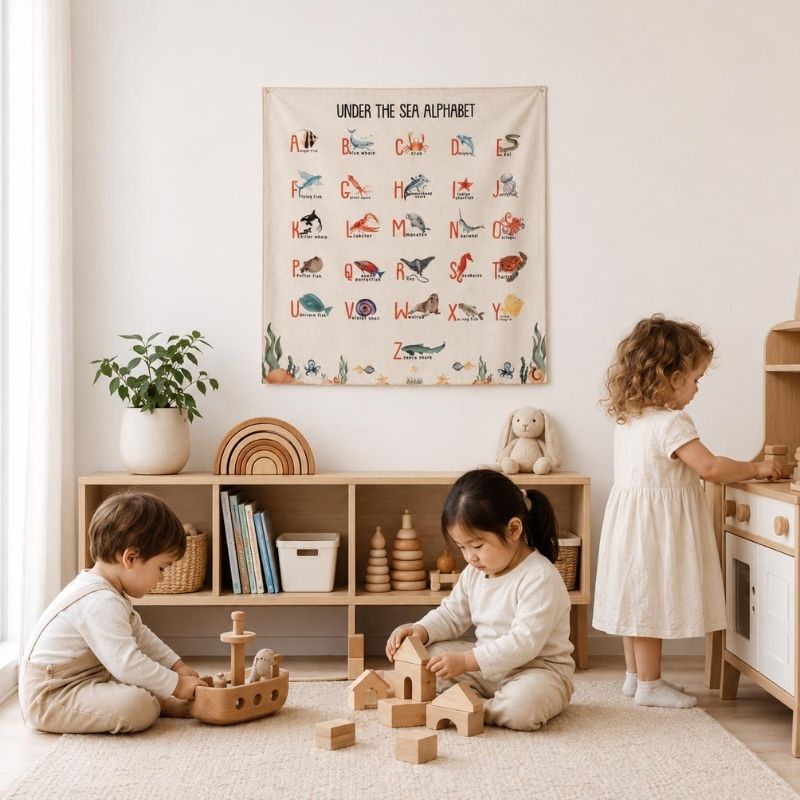
For families residing in earthquake-prone geographic regions, the transition to soft wall decor is not merely a stylistic design preference; it is a critical, non-negotiable structural necessity. During a seismic event, residential walls flex, bend, and vibrate violently, easily ejecting traditional metal nails, screws, and picture hooks from the drywall. A lightweight fabric hanging, secured with flexible, industrial-strength adhesive strips, moves dynamically and fluidly with the wall rather than working against the kinetic energy. Even if the absolute worst-case structural scenario occurs and the fabric fully detaches, it will simply float down harmlessly like a blanket. This unparalleled level of physical safety provides parents with profound psychological peace of mind.
How Do Soft Wall Hangings Improve Infant Sleep Quality?
While visual aesthetics are frequently the primary reason parents purchase artwork, the hidden, highly functional benefits of soft textiles are equally profound and impactful. The architectural acoustics of a nursery directly, measurably influence an infant’s ability to fall asleep quickly, stay asleep longer, and transition smoothly through vital REM (Rapid Eye Movement) cycles. Hard surfaces amplify disruptive noise, whereas soft textiles absorb it, fundamentally altering the environmental quality of the room.
Understanding Architectural Acoustics and Reverberation
Modern residential architecture heavily favors hard, reflective surfaces: rigid painted drywall, solid hardwood flooring, and minimalist, unlined window treatments. From a strict acoustic physics perspective, these hard surfaces create highly reflective auditory environments. When a baby cries, or when unavoidable ambient noise from the street, a barking dog, or a hallway conversation enters the room, the sound waves strike these hard surfaces and bounce repeatedly across the room. This echoing phenomenon is known as acoustic reverberation. This reverberating effect artificially amplifies the volume and intensity of the noise, rapidly increasing the infant’s physiological stress and triggering the release of cortisol. Soft wall hangings for nursery introduce a massive, highly porous surface area that acts as a highly effective, functional acoustic dampener. The microscopic woven fibers literally trap the sound waves, significantly reducing the room’s overall reverberation time and drastically lowering ambient noise levels.
High-Frequency Noise Reduction and Startle Reflex Management
Infant cries and sharp environmental noises—such as dropping a hard object, clinking dishes, or a door clicking shut—operate at high acoustic frequencies. These specific high frequencies are notoriously disruptive to human sleep patterns, instantly triggering the infant nervous system’s Moro reflex (startle response). Fortunately, dense, high-quality fabric materials excel remarkably at absorbing high-frequency sound waves. By strategically placing a extremely large fabric tapestry on the most expansive, bare wall of the nursery, you effectively install a specialized acoustic baffle. This functional absorption creates a significantly quieter, heavily insulated auditory environment, directly promoting deeper, less interrupted sleep cycles for the rapidly developing infant.
Thermal Insulation and Ambient Temperature Control
Beyond advanced acoustic control, large textiles offer subtle but highly valuable thermal benefits for the nursery. Exterior-facing walls in older residential homes can often transmit cold drafts during winter months or radiate excess, uncomfortable heat during the peak of summer. A substantial, thick fabric wall hanging creates a micro-layer of trapped ambient air between the textile and the drywall. This trapped air acts as a mild, natural thermal insulator, slightly buffering the immediate crib area from harsh temperature fluctuations on the wall’s surface. Maintaining a consistent, comfortable ambient temperature is a fundamental cornerstone of pediatric sleep hygiene.
Why Choose Realistic and Text-Free Wall Decor?
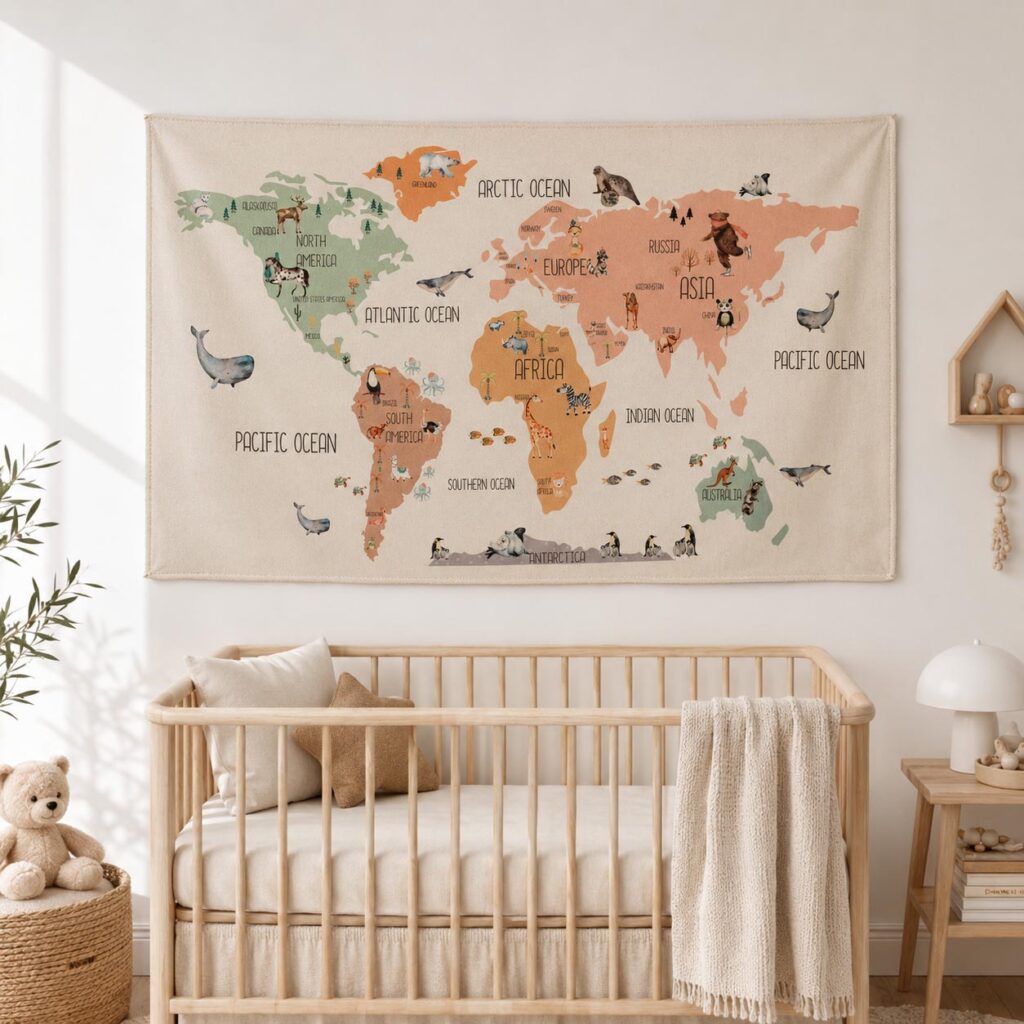
The visual content of nursery decor has evolved drastically over the last decade. Historically, infant rooms were heavily saturated with chaotic, overly bright, cartoonish imagery featuring highly exaggerated proportions, clashing neon color palettes, and aggressive typography. Modern pediatric psychology and sophisticated, high-end interior design principles now heavily advocate for a much more refined approach, prioritizing intense realism, subtle artistry, and calming visual inputs.
Cognitive Development and Visual Processing in the First Year
During the critical first year of life, an infant’s visual cortex develops at a truly staggering rate. They transition rapidly from seeing blurry, high-contrast shapes to processing complex physical depths, intricate shadows, and distinct, nuanced color variations. Bombarding an infant’s developing brain with hyper-saturated, flat, 2D cartoon graphics provides minimal sophisticated visual stimulation. Conversely, introducing realistic animal wall hangings for nursery that feature exquisitely detailed illustrations provides incredibly rich, valuable visual data. Realistic shading, accurate anatomical proportions, and nuanced color gradients teach the developing brain to accurately recognize subtle environmental cues. Observing realistic nature scenes supports healthy, steady cognitive processing without causing the intense visual overstimulation inevitably associated with loud, chaotic cartoon patterns.
The Overstimulation Problem with Chaotic Cartoon Decals
Many traditional nursery decals and commercial wallpapers rely heavily on aggressive, high-contrast primary colors (stark fire-engine reds, bright yellows, intense navy blues). While these bold colors easily capture a baby’s immediate attention, they are neurologically activating rather than relaxing. A room designated primarily for rest, recovery, and sleep should not visually mimic a high-energy, chaotic playground. Realistic nature and animal depictions naturally utilize muted, highly organic, earth-toned color palettes—soft sage greens, warm taupes, dusty blues, and gentle terracottas. These organic hues are scientifically proven to lower human heart rates and promote a deep sense of calm. A beautifully rendered, realistic animal scene creates a serene, majestic atmosphere that deeply respects the infant’s biological need for a tranquil resting space.
Text-Free Designs for Peaceful Resting Environments
A highly prominent, yet flawed trend in contemporary nursery decor is the heavy inclusion of typography: massive alphabet letters, long motivational quotes, or the child’s name plastered in giant, contrasting font across the wall. While well-intentioned by parents, text-heavy decor forces the human brain into an active state of cognitive decoding. Even long before a child can actually read, the brain recognizes complex typographic shapes as complex information that needs to be actively processed and categorized. For an environment strictly engineered for sleep, this subconscious demand for cognitive processing is entirely counterproductive. The most luxurious, calming spaces utilize strictly text-free wall hangings for nursery. By completely removing typography, the artwork becomes purely experiential and sensory. The child’s mind is allowed to visually wander freely through the printed landscape, simply imagining the animals and the scenery without the forced cognitive load of decoding letters and words.
What Are the Healthiest Materials for Infant Room Decor?
Indoor air quality is a highly critical, yet frequently overlooked component of professional nursery design. Infants breathe at a significantly faster rate than adults, and their rapidly developing respiratory and immune systems are highly vulnerable to airborne toxins, chemical off-gassing, and excessive household allergens. Selecting decor strictly made from safe, meticulously tested materials is vital for ensuring long-term respiratory health.
To understand the best material choices, consider this technical comparison:
| Feature | Cheap Vinyl Decals | Premium Fabric Tapestries |
| Ink Composition | Solvent-based, chemical heavy. | Water-based sublimation inks. |
| Off-Gassing Risk | High (releases VOCs for months). | Zero (completely non-toxic). |
| Breathability | Zero (traps moisture on walls). | High (allows air circulation). |
| Acoustic Value | None (reflects sound waves). | Excellent (absorbs high frequencies). |
| Maintenance | Cannot be washed; holds static dust. | Machine washable; hypoallergenic. |
Avoiding Toxic Inks and VOC Off-Gassing Risks
Many inexpensive wall decor options, particularly mass-produced vinyl wall decals and certain cheap synthetic wallpapers imported without safety regulations, utilize harsh solvent-based inks and industrial plasticizers. These synthetic materials are notorious for emitting Volatile Organic Compounds (VOCs) into the indoor air—a hazardous process known as off-gassing. VOCs can cause severe respiratory irritation, chronic headaches, and have been linked to long-term developmental health complications. Premium fabric tapestries represent a dramatically safer, healthier alternative. High-quality fabric hangings are typically printed using advanced, water-based sublimation inks. This heat-transfer printing process physically bonds the color directly into the fabric fibers without utilizing harsh, odorous chemical solvents, ensuring the nursery remains entirely free from dangerous chemical off-gassing from the very moment the art is unboxed and installed.
Hypoallergenic Fabric Blends and Dust Mite Management
Household allergens are another major, valid concern in infant environments. Heavy velvet drapery, thick wool area rugs, and deeply textured plush items can unfortunately become massive repositories for microscopic dust mites, pet dander, and airborne seasonal pollen. However, modern lightweight fabric wall tapestries are specifically woven tightly to mathematically repel deep dust infiltration. Furthermore, the supreme, undeniable advantage of a fabric hanging over a permanent wallpaper or a complex, multi-frame gallery wall is its complete washability. If a parent is ever concerned about seasonal dust accumulation, a premium fabric hanging can be effortlessly removed from the wall, machine-washed on a gentle cold cycle, air-dried, and re-hung perfectly within a few hours. This unparalleled ease of maintenance ensures the room’s largest decorative element remains perpetually clean and highly hypoallergenic.
Breathability and Mold Prevention in Humid Climates
In naturally humid climates, or in highly insulated homes with poor interior ventilation, moisture can quickly become trapped directly behind heavy framed art or non-porous vinyl wallpapers. This trapped moisture creates an ideal, dark breeding ground for hazardous black mold and mildew. Mold spores are devastatingly harmful to infant respiratory health. Lightweight, highly breathable woven fabrics naturally allow ambient air to circulate freely through their microscopic fibers. This inherent breathability completely prevents the dangerous accumulation of condensation between the artwork and the drywall, heavily mitigating the severe risk of hidden mold growth and actively contributing to a significantly healthier, fresher indoor micro-climate for the baby.
How to Style Large Wall Hangings in Small Nursery Layouts?
Successfully integrating a massive piece of art into a traditionally small infant room requires highly strategic planning and architectural foresight. A stunning piece of decor can easily overwhelm a compact space if foundational interior design principles regarding scale, lighting, and color balance are carelessly ignored.
Establishing a Strong Visual Focal Point Without Clutter
Every professionally designed room must possess a singular, undeniable focal point—the primary visual anchor that immediately captures human attention upon entering the space. In a nursery, this is universally the wall located directly behind the crib. To maximize spatial impact without creating stressful visual clutter, allow a large-scale tapestry to command this specific wall entirely. Do not surround the main tapestry with dozens of smaller, competing framed pictures, busy floating shelving units, or scattered decals. Let the artwork breathe architecturally. This strict minimalist approach allows the intricate, realistic details of the animal or nature scenes to shine independently, creating a sophisticated, high-end gallery aesthetic that fundamentally elevates the entire room from a standard children’s space to a highly curated interior design masterpiece.
Balancing the 60-30-10 Interior Design Color Rule
When introducing a massive visual element into a limited square footage, you must strictly adhere to the professional 60-30-10 color rule. The dominant background color of the room (the paint or neutral wallpaper) should occupy exactly 60% of the visual field, remaining highly neutral, crisp, and calm. The secondary color palette, primarily introduced through your dominant wall hanging, should account for 30%, firmly establishing the room’s specific thematic and emotional tone. The final 10% is reserved exclusively for bold accent colors found in small, easily swappable items like throw pillows, crib sheets, or a small lamp base. By ensuring your fabric tapestry perfectly represents the 30% thematic anchor, you guarantee the room remains perfectly balanced, visually cohesive, and fundamentally relaxing rather than chaotic.
Leveraging Vertical Space to Maximize Restricted Floor Plans
Nurseries are notoriously cramped, frequently burdened by bulky, non-negotiable furniture like heavy changing stations, wide dressers, and large rocking chairs. Floor space is an absolute premium. The greatest strategic architectural advantage of utilizing large wall hangings is their unique ability to deliver massive visual and thematic impact while consuming exactly zero square footage. By drawing the eye dramatically upward toward a stunning, high-mounted fabric scene, you create a powerful optical illusion of significantly higher ceilings and a substantially larger room. This vertical design strategy prevents the room from feeling claustrophobic, keeping the physical floor plan completely open, safe, and easily navigable for exhausted parents maneuvering in the dark during late-night feedings.
Managing Natural and Artificial Lighting Interfaces
Lighting drastically alters how colors and textures are perceived in a small space. In a well-designed nursery, the goal is to consistently mimic gentle, diffused natural light. Avoid harsh, cool-toned (5000K+) LED overhead lights that wash out colors and create clinical, stressful shadows. Instead, utilize warm-toned (2700K) bulbs in strategically placed floor lamps and soft wall sconces. When natural morning light or warm artificial light hits a high-quality, matte fabric tapestry, the printed colors will soften and blend beautifully, enhancing the realistic aesthetic. Conversely, harsh artificial light directed on a glossy vinyl decal or a glass frame will inevitably create an undesirable, cheap-looking glare that strains the infant’s developing eyes. Proper lighting highlights the premium texture of the fabric, reinforcing the room’s luxurious and calming atmosphere.
Frequently asked questions
Are fabric wall hangings safe for a baby nursery?
Yes, lightweight fabric tapestries are exceptionally safe for nurseries. Lacking heavy wooden frames or shatter-prone glass, they pose absolutely zero blunt-force injury risk. When installed flush against the wall using secure adhesive, they create the safest possible decorative environment directly above a sleeping infant’s crib.
How do you hang nursery wall art securely?
For maximum safety, completely avoid traditional nails that can vibrate loose. Instead, use heavy-duty, child-safe hook-and-loop mounting strips or dedicated fabric adhesives. Apply the strips seamlessly across the entire top edge to ensure a perfectly flush mount, eliminating any dangerous gaps.
Do soft wall hangings absorb sound in a room?
Yes, acoustic sound dampening is a primary functional benefit. Large woven fabrics trap bouncing sound waves, significantly reducing the room’s overall reverberation time. This effectively lowers ambient noise levels and absorbs high-frequency sounds, directly promoting deeper, more restful, and uninterrupted sleep cycles.
Why are text-free designs better for a nursery?
Pediatric design experts highly recommend realistic, text-free imagery to prevent cognitive overstimulation. Heavy typography forces the developing brain to constantly decode shapes, which hinders relaxation. Text-free, realistic nature scenes foster a profoundly serene, deeply calming atmosphere that perfectly supports both visual development and optimal sleep hygiene.
Conclusion
Designing the ultimate infant sanctuary requires a rigorous, uncompromising commitment to both advanced physical safety and highly sophisticated aesthetic principles. By actively choosing modern wall hangings for nursery spaces over traditional, hazardous framed art, you instantly eliminate severe physical risks above the crib while maximizing acoustic comfort. The inherent architectural sound-dampening benefits of soft textiles significantly improve the room’s sleep environment by neutralizing disruptive environmental noise. Furthermore, when you prioritize highly realistic, beautifully detailed, and completely text-free designs, you effortlessly cultivate a profoundly peaceful, developmentally appropriate atmosphere. Invest intelligently in the functional safety, acoustic superiority, and serene beauty of your child’s resting environment today.