

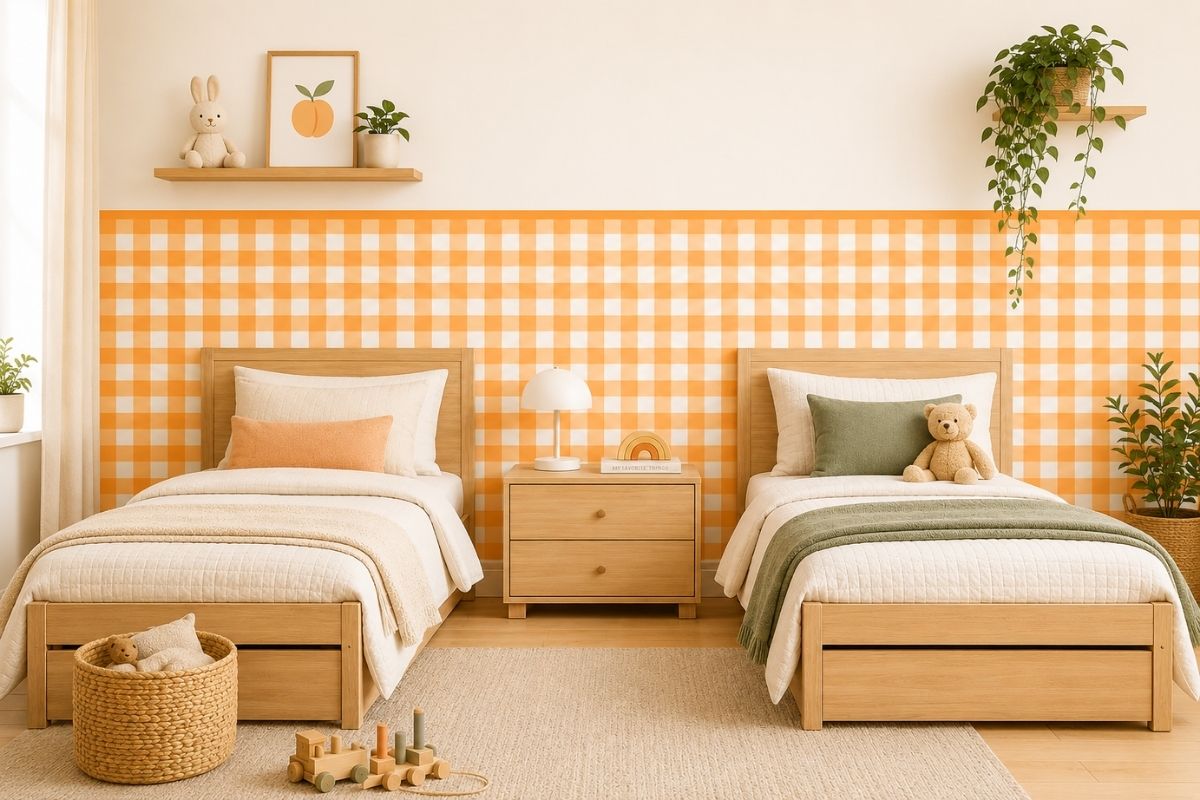
Choosing between wainscoting panels vs wall decals depends entirely on your nursery’s long-term design goals, budget, and installation preferences. While architectural panels provide a timeless, structured three-dimensional look that grows with your child, wall decals offer a highly flexible, cost-effective, and damage-free way to introduce modern minimalist patterns. This comprehensive comparison analyzes durability, installation effort, chemical safety, and aesthetic lifespans to help you select the ideal decor strategy for your home.
Evaluating wainscoting panels vs wall decals involves balancing permanent architectural structure against temporary design flexibility. Wainscoting offers durable, three-dimensional wall moulding that enhances property value and longevity, whereas high-quality wall decals provide damage-free, minimalist patterns that can be easily updated or replaced as your child grows from infancy into late toddlerhood.
| Feature | Wainscoting Wall Panels | Premium Wall Decals |
| Material Depth | Three-dimensional molding | Flat, flush surface |
| Lifespan | 10 to 15+ years | 3 to 7 years (removable) |
| Installation | Medium to high effort | Low effort (peel & stick) |
| Damage Risk | Requires nail holes/glue | 100% damage-free removal |
| Aesthetic | Architectural, classic | Modern, pattern-focused |
What is the main difference between wainscoting and wall decals?
Understanding the fundamental structural differences between wainscoting panels vs wall decals is essential for establishing a cohesive nursery interior design. Wainscoting refers to an architectural wall treatment traditionally applied to the lower portion of a wall, adding physical depth, texture, and structural protection against daily wear. Modern interpretations have expanded this classic look into full-height acoustic wall panels and geometric grid styles that instantly elevate a room’s foundational architecture. These installations create a permanent, upscale atmosphere that seamlessly transitions into a mature bedroom as your newborn grows.
In contrast, premium wall decals serve as high-fidelity, two-dimensional graphic alternatives that apply flat against a finished wall surface. Made from advanced peel and stick materials, these decorative accents introduce intricate patterns, botanical illustrations, or sophisticated shapes without the permanence, weight, or cost of heavy millwork. They act as a flexible canvas, allowing parents to change the entire atmosphere of the room within minutes. Brands like dosjunior cater to both design philosophies by providing highly refined, minimalist nursery options across both product categories. Choosing between them requires assessing whether you want to alter the physical architecture of the room or creatively embellish its existing surfaces.
Architectural millwork creates a distinct tactile experience that changes how light reflects within a room, whereas graphic prints emphasize color harmony and illustrative storytelling. When evaluating wainscoting panels vs wall decals, consider how each medium influences the perceived size and scale of the nursery space. The physical projections of wood or MDF panels can make an expansive room feel incredibly cozy, while minimalist wall stickers maintain a completely flush surface that preserves every square inch of a compact room. This architectural distinction forms the basis for all subsequent practical decisions regarding your child’s space.
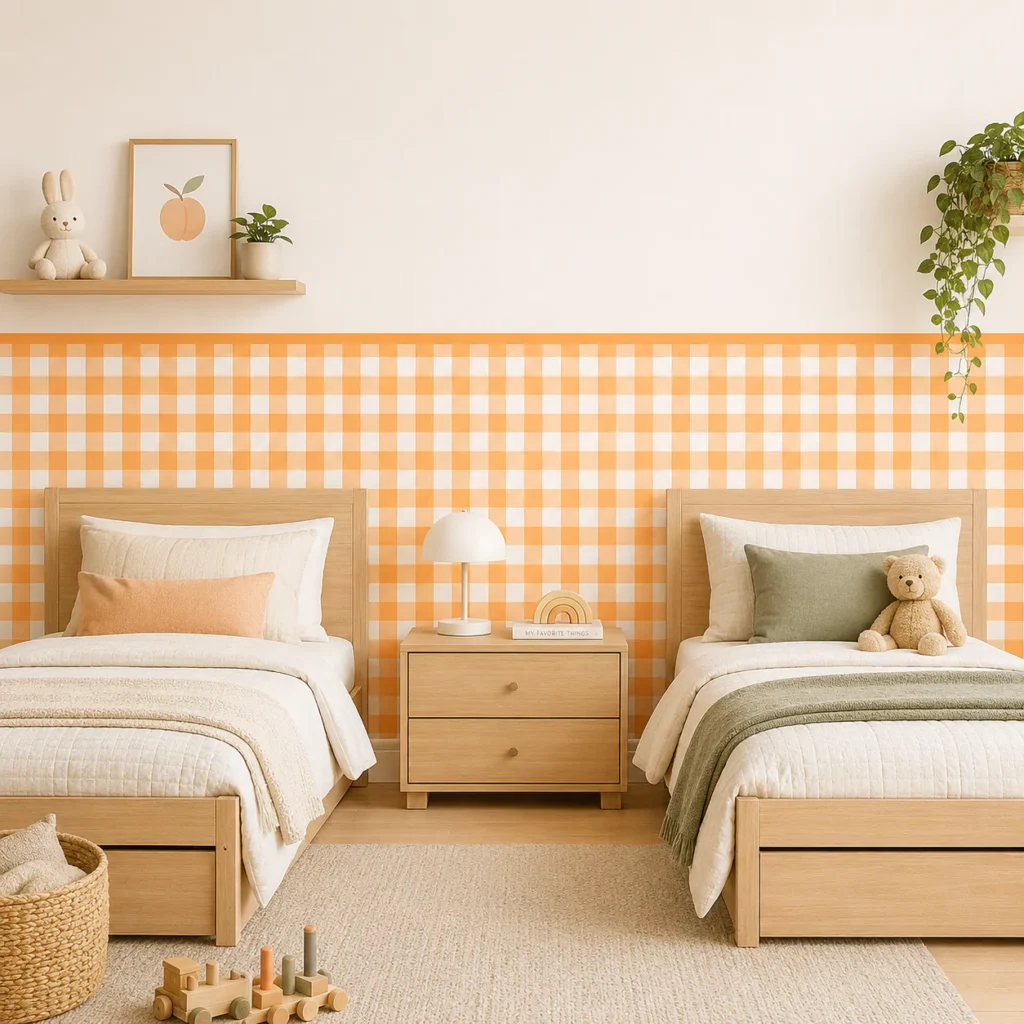
Assessing the long-term durability and safety of nursery wall treatments
The physical safety and structural resilience of nursery materials are paramount concerns for expectant parents designing a healthy indoor environment. Evaluating wainscoting panels vs wall decals through a technical lens reveals distinct advantages in material performance, impact resistance, and chemical composition. Children’s spaces must withstand unpredictable impacts from toys, furniture contact, and sticky hands, requiring surfaces that are both physically robust and chemically inert.
Safety metrics for premium acoustic wall panels and wooden mouldings
Heavy-duty wall treatments, particularly acoustic wall panels and traditional wooden wainscoting, offer exceptional physical durability that easily spans a decade or more. Industry tests indicate that rigid MDF or solid wood panels can withstand direct impacts exceeding 50 foot-pounds of energy without sustaining structural cracking or deep gouging. This extreme resilience protects your underlying drywall from costly punctures caused by crib movement, toy boxes, or toddler play. Furthermore, integrating acoustic variations significantly optimizes the room’s sensory environment by lowering ambient noise reflections by up to 40%. This sound absorption helps maintain a peaceful, quiet nursery that supports healthy infant sleep patterns.
From a health perspective, premium architectural panels manufactured by responsible brands utilize ultra-low or zero-formaldehyde bonding agents to preserve indoor air quality. When finished with certified zero-VOC (volatile organic compound) water-based paints, these installations emit no harmful chemical off-gassing into the infant’s sleeping area. This structural permanence means the wall remains completely safe from peeling risks, eliminating any potential choking hazards associated with loose decorative fragments. The enduring nature of these panels creates a reliable, high-performing barrier that serves as a core element of your nursery interior design.
Testing chemical standards in non-toxic wall decor stickers
High-quality removable wall stickers utilize advanced material science to ensure complete safety within infant environments without sacrificing visual quality. Premium decals are constructed from fine-weave polyester fabric or medical-grade, phthalate-free olefin polymers rather than cheap, toxic PVC plastics. These high-end materials carry rigorous international safety ratings, such as OEKO-TEX Standard 100 or Greenguard Gold certifications, ensuring the absence of heavy metals, lead, and volatile chemical carriers. The backing utilizes a pressure-sensitive, water-based acrylic adhesive that forms a strong, uniform bond with standard interior paints while remaining completely inert.
The lack of harsh chemical solvents ensures that these non-toxic wall decor elements remain perfectly odorless from the initial application onward. Additionally, the visual design language of modern graphics plays a subtle role in infant cognitive development. The dosjunior philosophy prioritizes textless, highly realistic, and minimalist illustrations that present clear, organic forms to developing minds. This approach intentionally avoids the chaotic, hyper-saturated cartoon aesthetics found in budget alternatives, which pediatric research suggests can contribute to early childhood sensory overstimulation. This meticulous balance of clean chemistry and thoughtful art makes modern decals a highly protective choice for a serene nursery.
The decision between wainscoting panels vs wall decals from a durability standpoint ultimately depends on the type of wear you anticipate over a seven-year cycle. Panels excel at resisting blunt force and rough physical contact, whereas modern decals provide exceptional resistance against staining, fading, and scratching. Both options offer outstanding safety metrics, provided you source products from specialized manufacturers committed to clean, eco-friendly production methods.
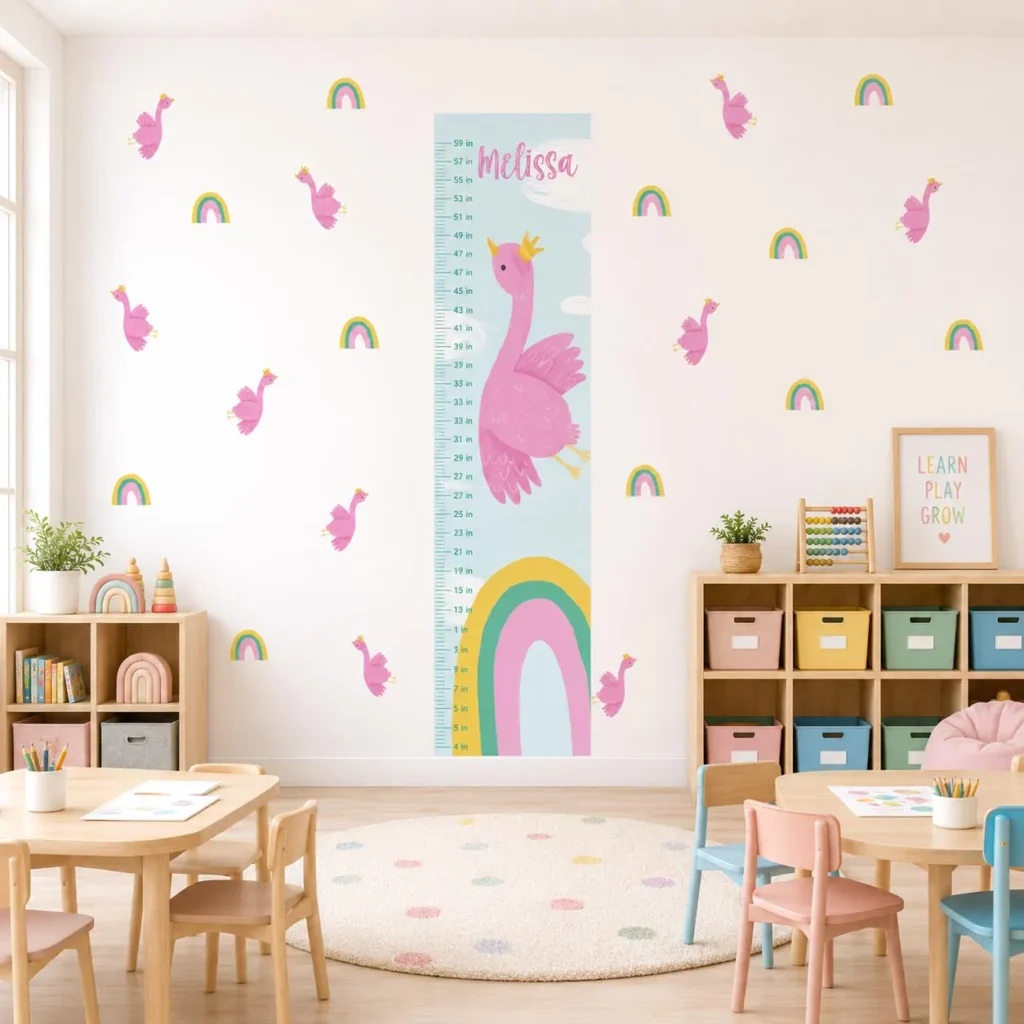
Step-by-step installation effort and tools required for each look
The path to achieving a flawless nursery aesthetic varies significantly in terms of time commitment, technical skill, and tool requirements. Analyzing the mechanical installation procedures for wainscoting panels vs wall decals allows homeowners to accurately gauge whether a project is a viable weekend DIY task or requires professional carpentry support.
Mounting permanent wall moulding without professional help
Installing architectural wall moulding or heavy-duty panels requires precise mathematical layout planning and specialized woodworking equipment. To achieve a perfectly square finish, a wall must be surveyed using a calibrated digital laser level to account for natural settling in the home’s flooring and ceiling lines. The installation sequence demands specific tools to ensure a secure, flush attachment to the underlying framework:
- Pneumatic Brad Nailer: An 18-gauge brad nailer is required to fire 2-inch finish nails directly through the paneling and into the underlying wooden studs.
- Heavy-Duty Construction Adhesive: A high-tack elastomeric polymer adhesive must be applied in a continuous zigzag pattern across the back of each panel to prevent future warping.
- Compound Miter Saw: A power miter saw equipped with a 60-tooth fine-finish blade is essential for executing crisp 45-degree corner joints and seamless transitions.
- Flexible Acrylic Caulk: Premium paintable caulk must be painstakingly applied to every joint seam, followed by meticulous wood putty filling in every nail dimple.
Once the physical structure is anchored, the entire surface must be thoroughly sanded with 220-grit sandpaper, cleared of fine dust, treated with a high-hiding primer coat, and finished with two coats of premium interior enamel paint. This multi-stage process generally spans a timeline of 48 to 72 hours, depending on the complexity of the architectural layout and the necessary drying windows between paint layers.
Applying peel and stick decals for a flawless finish
In sharp contrast, applying damage-free wall art requires no complex machinery, power tools, or construction experience. The installation process for modern removable wall stickers relies on careful wall surface preparation and patient graphic positioning. The primary requirement is ensuring the wall surface is entirely free of microscopic dust, skin oils, and chemical residues by wiping the area with a 70% isopropyl alcohol solution and allowing it to dry completely.
The application relies on a simple peel-and-stick motion, using a soft-edged felt squeegee to smoothly press the graphic from its center outward to expel trapped air pockets. A critical technical detail is the paint curing window: if the nursery walls have been recently repainted, the underlying paint must cure for a minimum of 21 to 30 days before decal application. Applying graphics prematurely can trap escaping moisture solvents, causing adhesive bubbling or compromising the clean removal feature. This streamlined process requires less than two hours for an entire room transformation, making it an exceptionally efficient option for busy expectant parents.
Ultimately, comparing the labor requirements of wainscoting panels vs wall decals highlights a clear tradeoff between immediate convenience and permanent structural transformation. If you enjoy hands-on home renovation projects and possess a solid collection of woodworking tools, panel installation offers an incredibly rewarding architectural upgrade. However, if time is limited or you are managing a rental property, the straightforward application of modern decals provides a clean, stress-free route to a stunning nursery.
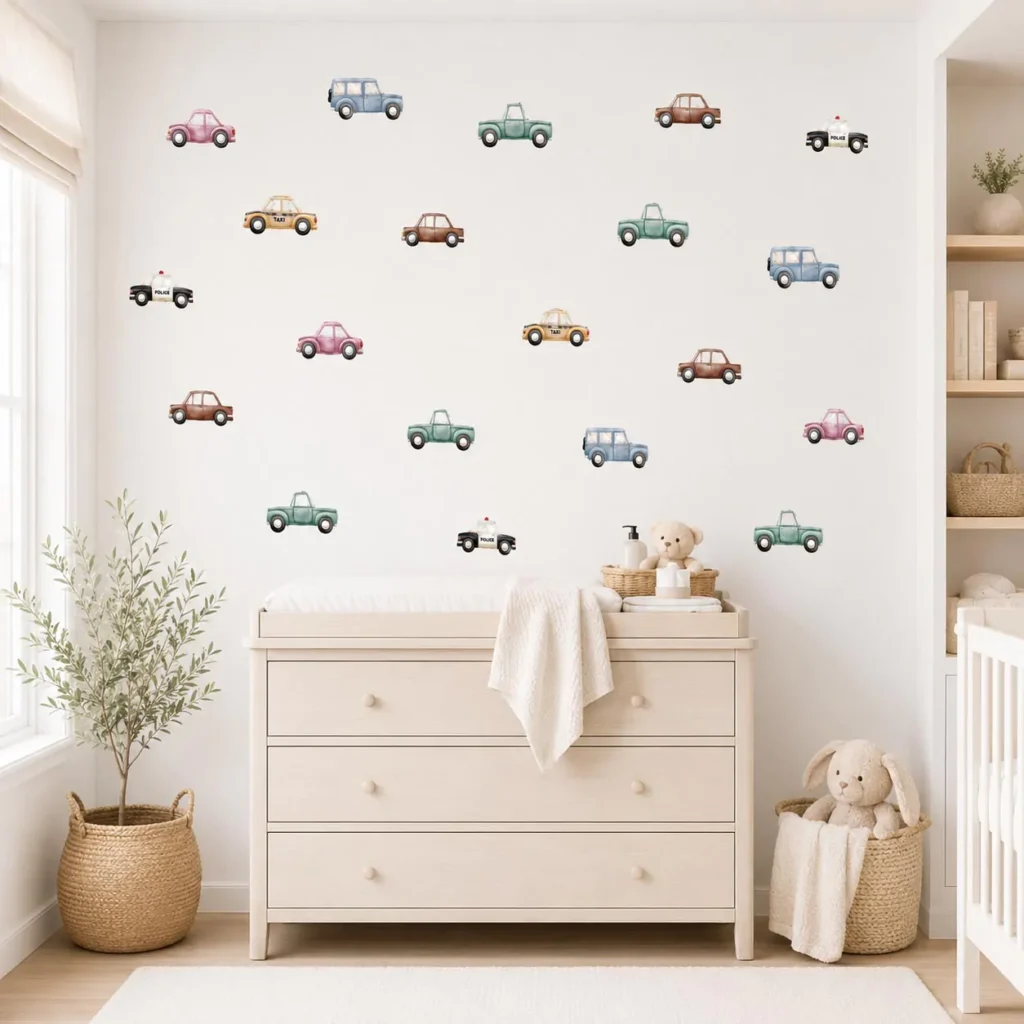
Cost comparison and return on investment for nursery interior design
A clear-eyed financial analysis is essential when weighing wainscoting panels vs wall decals for a long-term home improvement project. The initial purchase price of materials represents only a single component of the total financial equation; a true comparison must factor in tool acquisitions, professional labor costs, maintenance expenses, and the ultimate impact on your home’s resale value.
Traditional millwork and acoustic wall panels carry a premium upfront material cost, often ranging from $8 to $25 per square foot, depending on the wood species or engineering density. When you add the cost of premium primers, specialty finishes, adhesives, and tool rentals, a standard 12×12 nursery accent wall can quickly require an investment of $500 to $1,500 for a DIY installation. If you choose to hire a licensed finish carpenter, professional labor rates will add an extra $60 to $120 per hour, doubling the total project budget. However, this expenditure directly translates into permanent home equity, as high-end architectural details consistently attract buyers and command a premium in residential real estate markets.
Conversely, investing in top-tier minimalist nursery decor graphics from dosjunior presents a highly economical alternative with zero secondary expenses. Premium fabric decals for an entire accent wall typically range from $80 to $250 total, completely eliminating the need for professional installers, power tools, paint pots, or sanding supplies. There are no hidden labor fees because the end user can achieve a flawless installation with zero assistance. While decals do not add permanent value to the physical real estate, they prevent the thousands of dollars in drywall repair costs often caused by cheap adhesives or poorly installed permanent paneling. The immediate cost efficiency allows parents to reallocate valuable budget resources to other critical infant necessities, such as orthopedic mattresses or certified organic nursery bedding.
| Financial Metric | Wainscoting Wall Panels | Premium Wall Decals |
| Average Material Cost | $500 – $1,500 per wall | $80 – $250 per wall |
| Additional Tools Needed | Miter saw, nailer, level, caulk | Isopropyl alcohol, squeegee |
| Professional Labor Cost | $60 – $120 per hour (Optional) | $0 (100% DIY-friendly) |
| Real Estate Value Impact | Permanent equity increase | Neutral (Fully removable) |
| Future Removal Expense | Drywall repair and repainting | $0 (Damage-free peeling) |
When analyzing wainscoting panels vs wall decals from a financial perspective, consider your current home ownership status and intended length of residency. Homeowners planning to remain in their property for five or more years will easily recoup the upfront investment of wainscoting through years of elegant durability and eventual real estate appreciation. For renters, temporary residents, or families planning to relocate in the near future, premium wall stickers deliver an identical high-end aesthetic at a fraction of the cost, ensuring zero financial loss upon moving day.
Evolution of design trends from infancy to toddler bedroom ideas
A child’s room is one of the most dynamic spaces in a home, requiring an interior design strategy that can easily adapt to rapid developmental milestones. When navigating the choices between wainscoting panels vs wall decals, it is beneficial to examine how each option aligns with shifting nursery wall design trends and the inevitable transition into a mature toddler bedroom. As seen in organic search query behavior recorded in recent industry data, parents frequently worry about whether specific treatments like wainscoting are outdated or still stylish, alongside questioning the safety and removal properties of decals.
The Nursery Style Evolution Path (Ages 0 to 8)
To design a space that stands the test of time, it helps to view the room not just as a temporary nursery, but as an evolving environment. A child’s room typically transitions through three critical developmental stages:
- The Infant Nursery (Ages 0–12 Months): Focuses entirely on sensory calm. This stage prioritizes soft, quiet tones, subtle textures (like gentle beadboard paneling), and minimal visual contrast to create a peaceful, distraction-free sleeping sanctuary.
- The Toddler Bedroom (Ages 1–4 Years): Shifts toward interactive, curiosity-driven themes. This is where modern, textless, and ultra-realistic animal decals come into play—engaging their developing imagination and scaling heights without cluttering the physical space.
- The Youth Bedroom (Ages 5–8+ Years): Moves into a highly structured, mature layout. The room shifts toward sophisticated color palettes (like deep forest greens or slate grays) anchored by timeless wood wainscoting that easily handles the daily wear and tear of older childhood.
Architectural wainscoting addresses the question of style longevity by offering an enduring design foundation that never goes out of style. The classic geometric structure of board-and-batten, beadboard, or raised panels provides a sophisticated architectural backdrop that adapts effortlessly to any decor theme. By simply changing the upper wall paint color from a soft nursery pastel to a mature slate gray or deep forest green, an installation that once felt gentle and nurturing instantly becomes a refined space for an older child. This timeless quality eliminates the need for messy structural renovations every few years, providing a reliable design anchor that gracefully accommodates changing tastes from infancy through adolescence.
Alternatively, premium removable wall stickers offer unparalleled flexibility for parents who love embracing current design trends and adjusting their child’s environment to match their evolving interests. Modern toddler bedroom ideas lean heavily toward interactive, realistic storytelling themes that foster curiosity and cognitive growth. Fabric graphics allow you to introduce sophisticated, textless botanical motifs, minimalist star constellations, or detailed wildlife scenes during the early years. When your child develops new passions—transitioning from safari animals to deep-space exploration—the existing decals can be peeled away without leaving sticky residue, allowing you to apply a fresh design motif in under an hour.
This adaptability resolves the common design dilemma of trying to predict an infant’s future personality, giving you total freedom to experiment with contemporary aesthetics risk-free. The choice between wainscoting panels vs wall decals ultimately depends on whether you prefer a permanent architectural foundation that acts as a chameleon for changing decor, or a dynamic graphic canvas that can be completely redesigned at every major developmental milestone.
How to style a minimalist nursery using dosjunior premium solutions
Creating an elegant, clutter-free nursery requires a thoughtful combination of subtle textures, balanced proportions, and a cohesive, calming color palette. The dosjunior product ecosystem is meticulously designed to support this minimalist philosophy, offering sophisticated options in both wall paneling and artistic fabric decals. By focusing on realistic, textless imagery and clean architectural lines, parents can easily design an upscale space that promotes restfulness and cognitive clarity.
To style a room using high-end wainscoting panels, aim for a balanced 2/3 height configuration rather than the traditional 1/3 layout. Extending elegant square-grid panels up to 60 or 72 inches from the floor creates a striking sense of vertical height while establishing a protective shield around the entire room. Paint the paneling in a rich, velvety matte finish using sophisticated neutral tones such as warm cashmere beige, muted sage green, or soft oyster gray. Keep the upper portion of the wall a crisp, clean alabaster white to maximize natural light distribution. Complement this architectural structure with minimalist solid-wood furniture, an organic un-dyed wool rug, and brushed brass light fixtures to complete an elegant, timeless look.
Recommended Aesthetic Layout Configuration
To achieve a perfectly balanced, architecturally sound nursery wall design, we recommend structuring your accent wall using a modern two-thirds proportion layout:
Zero-VOC Protective Finish: Provides a durable, easily wipeable surface that keeps your child’s immediate surroundings entirely safe from harmful chemical off-gassing.
Upper Wall (Top 1/3) — Alabaster White Drywall: Keeping the top portion of the wall crisp and clean maximizes natural light distribution, preventing a premium neutral space from feeling dark or enclosed.
Lower Wall (Bottom 2/3) — dosjunior Cashmere Wainscoting: Extending the paneling slightly higher than traditional chair-rail height establishes a grounding, high-end foundation that immediately protects the room’s high-traffic touch zones.
Three-Dimensional Depth: Adds structural character and elegant texture that transforms flat, boring drywall into a custom architectural feature.
For an effortless, damage-free alternative, you can design an equally stunning minimalist accent wall utilizing premium dosjunior fabric decals. Select a single, expansive wall—ideally the one positioned directly behind the crib—to serve as the primary focus of the room. Choose a sophisticated, textless design pattern, such as delicate watercolor eucalyptus branches or oversized, realistic pencil-sketch woodland animals, ensuring the graphics feature a soft, muted color palette. Space the elements generously across the wall surface to create an open, airy composition that celebrates negative space and avoids visual clutter. Pair this graphic feature with a sleek, minimalist Baltic birch crib and light, neutral linen drapery to create a tranquil, modern sanctuary that feels beautifully curated.
For the ultimate high-end look, creative designers often combine both mediums into a single, cohesive space. Install clean, simple beadboard wainscoting along the lower third of the room to provide a durable, impact-resistant barrier painted in a soothing neutral tone. Then, apply delicate, minimalist botanical decals across the smooth drywall above the chair rail line. This sophisticated approach brings together the best of both worlds: the beautiful depth and protection of permanent architectural molding, paired with the artistic charm and easy flexibility of modern graphics. By choosing premium, thoughtfully designed solutions from dosjunior, you can create a gorgeous, balanced nursery that is both incredibly practical and visually stunning.
Frequently asked questions
What is the main difference between wall paneling and wainscoting?
Wainscoting is a specific subcategory of wall paneling that historically covers only the lower section of an interior wall, typically bounded by a chair rail. General wall paneling encompasses any decorative or functional cladding material applied to a wall, including full-height installations, floor-to-ceiling sheets, and modern acoustic wood slats.
Do premium wall decals cause long-term damage to interior paint?
No, high-quality fabric decals engineered with water-based acrylic adhesives will not cause damage to properly cured interior wall paint upon removal. It is critical to allow new wall paint to cure completely for 21 to 30 days before graphic application to ensure the adhesive backing removes cleanly without peeling the finish.
What is the golden rule for choosing nursery wainscoting height?
The traditional golden rule dictates that wainscoting should cover exactly one-third of the total wall height, which translates to roughly 32 to 36 inches for a standard 9-foot ceiling. However, modern nursery interior design trends frequently utilize a dramatic two-thirds height configuration to create a more contemporary, grounding architectural effect.
Which wall decor option is more cost-effective for a rental property?
Premium peel-and-stick wall decals are significantly more cost-effective and practical for rental properties because they require zero upfront tool investment and install in under two hours. They deliver an upscale, custom-designed aesthetic while ensuring 100% damage-free removal that preserves your security deposit when it is time to move out.
Conclusion
Choosing between wainscoting panels vs wall decals involves finding the perfect balance between long-term architectural durability and flexible design creativity. High-end wainscoting creates a beautiful, permanent foundation that increases your home’s equity and grows gracefully alongside your child over many years. Meanwhile, premium fabric decals offer a wonderful, cost-effective, and entirely damage-free way to bring modern minimalist art into your nursery without any permanent commitment. Both paths deliver an upscale, sophisticated environment for your little one, provided you choose high-quality, non-toxic materials. Explore the complete collection of minimalist, ultra-realistic designs to find the perfect fit for your home.
Explore the complete dosjunior collection today to discover premium, non-toxic wainscoting panels and minimalist fabric wall decals designed to elevate your modern nursery beautifully.