

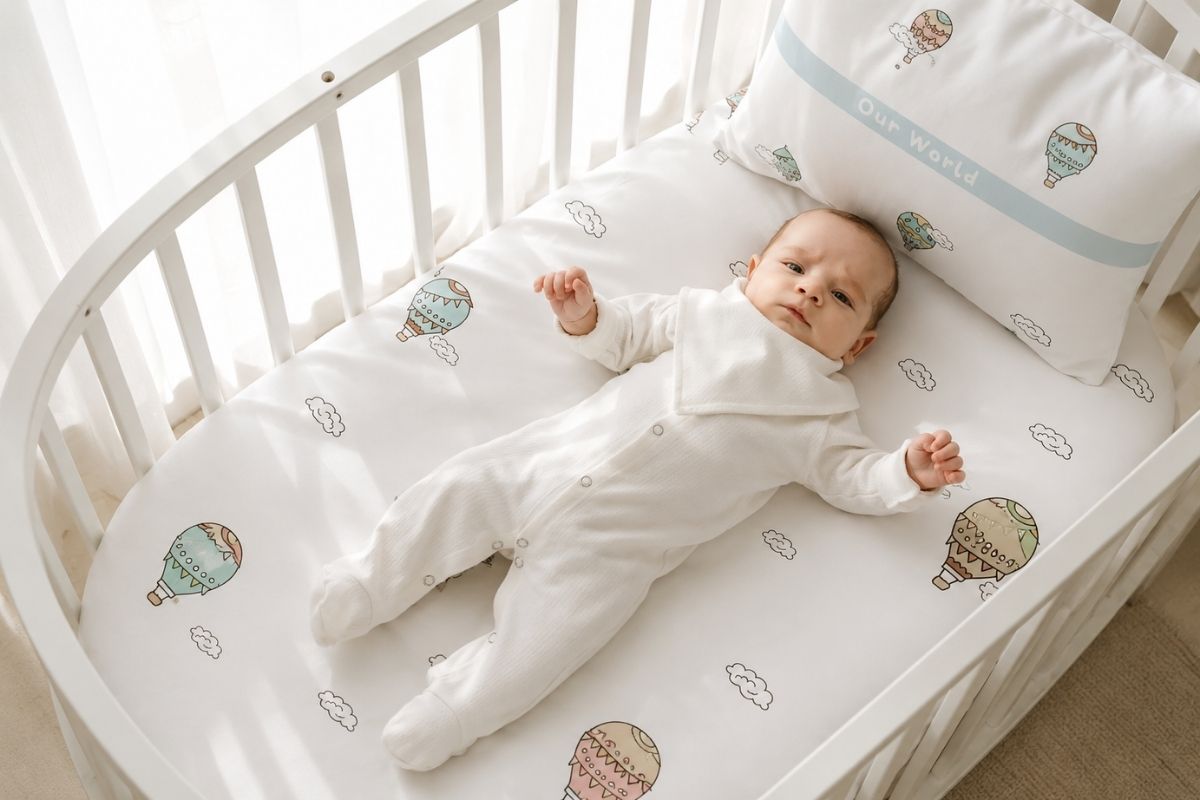
Securing the right crib bedding set ensures your baby sleeps safely and comfortably while completing your nursery’s design. Navigating fabric choices, safety standards, and aesthetic preferences can feel overwhelming for expectant parents. You need practical solutions that withstand frequent washing and align with strict infant sleep guidelines. We will explore the exact components of these sets, compare breathable fabrics, outline vital safety protocols, and help you build a highly functional, beautiful sleep space for your newborn.
What is Included in a Crib Bedding Set?
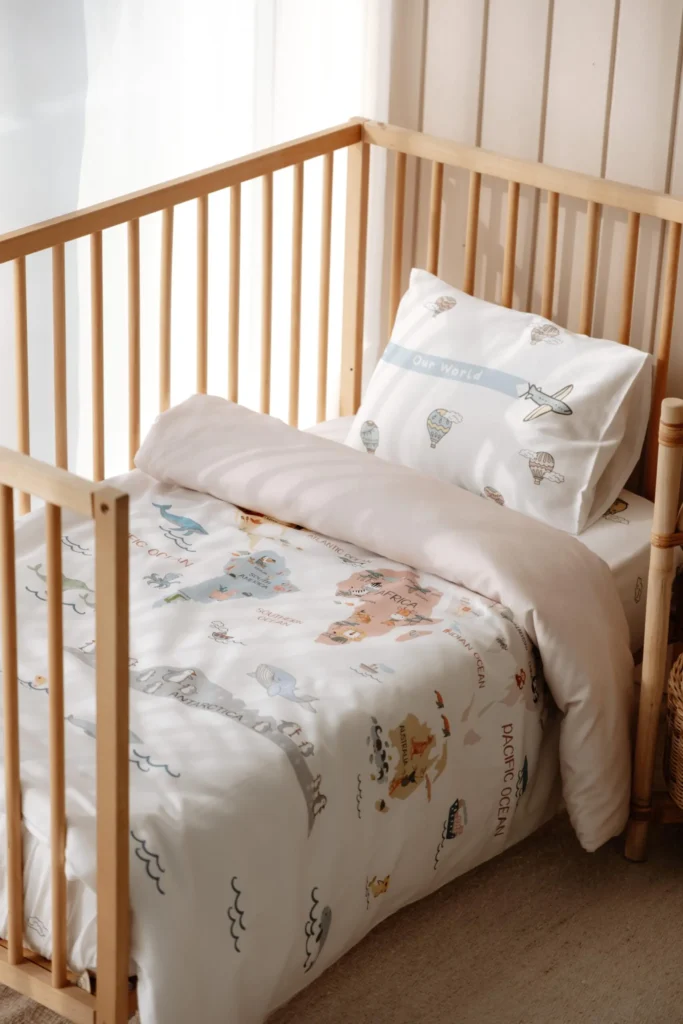
A standard crib bedding set typically includes a collection of coordinated fabric items designed specifically for a baby’s mattress and sleep environment. Modern sets prioritize safety and functionality over excessive decorative pieces.
The essential components usually consist of:
- Fitted sheet: The core piece equipped with elastic edges to wrap tightly around the mattress.
- Crib skirt (Dust ruffle): A decorative fabric panel that hangs below the mattress to hide the crib’s structural hardware and under-crib storage space.
- Quilt or comforter: Included strictly for nursery decoration, draped over a nursing chair, or utilized for supervised “tummy time” on the floor.
- Wearable blanket (Sleep sack): Increasingly replacing traditional loose blankets in modern sets to comply with safe sleep recommendations.
What’s Included in a Standard Crib Bedding Set
Understanding exactly what comes in a bundle prevents unnecessary purchases and helps you set up a highly functional nursery. When you evaluate a comprehensive crib bedding set, the contents can vary dramatically based on the manufacturer, the price point, and current safety trends. Retailers often classify these packages by the number of pieces they contain, ranging from minimal 2-piece sets to elaborate 5-piece or even 10-piece collections.
The foundational element of any baby bedding set is the fitted sheet. This is the only item your infant will directly sleep on during their first twelve months. High-quality sets often provide two coordinating fitted sheets to ensure you always have a backup during laundry days. The crib skirt, another common inclusion, serves an entirely aesthetic and organizational purpose. Adjustable mattress heights mean that when the mattress is positioned at its highest level for a newborn, the empty space beneath the crib becomes highly visible. A tailored or gathered skirt elegantly masks this area, allowing parents to use the space for storing diaper boxes or extra wipes without cluttering the room’s appearance.
Traditionally, thick quilts, padded bumpers, and loose matching pillows were standard inclusions. However, as sleep safety awareness has evolved, reputable brands have completely restructured their offerings. Today, if you are searching for where to buy luxury crib bedding set girl online or looking for premium minimalist options, you will notice that heavy quilts have been repurposed. They are now marketed explicitly as play mats for floor time, stroller blankets for outdoor walks, or decorative accents to drape over a glider chair. In place of hazardous loose blankets, forward-thinking manufacturers now include size-adjustable, TOG-rated sleep sacks or wearable blankets in their bundles. These wearable alternatives zip over the baby’s pajamas, providing necessary warmth without the risk of covering the infant’s face during active sleep phases.
Crib Bedding Set Sizes & Fitted Sheet Dimensions
A perfectly fitted sheet is not merely a matter of neat presentation; it is a critical safety requirement that prevents loose fabric from creating a suffocation hazard in the sleep environment. To achieve this secure fit, you must intimately understand standard dimensions and match them precisely to your chosen mattress.
In North America, standard crib mattresses are strictly regulated by consumer safety laws to ensure uniformity. A standard crib mattress must be exactly 27.25 inches to 28 inches wide and 51.625 inches to 53 inches long. Consequently, a standard crib sheet set is manufactured to accommodate these specific dimensions. The depth of the mattress, however, can range from 4 inches up to 6 inches. When selecting your linens, checking the pocket depth of the fitted sheet is paramount. Sheets with shallow pockets may slip off the corners of a 6-inch thick mattress when the baby moves, creating a dangerous entanglement risk. Premium sheets feature fully encased elastic bands running around the entire perimeter, rather than just at the four corners, ensuring a drum-tight fit regardless of minor mattress depth variations.
If you are utilizing a smaller sleep space, you will need specialized bedding. Mini cribs, often favored for urban apartments or as secondary downstairs beds, require mini crib sheets measuring approximately 24 inches wide by 38 inches long. Attempting to fold or tuck a standard-sized sheet under a mini mattress is highly discouraged by pediatric safety experts, as the excess fabric will inevitably bunch up. Similarly, oval-shaped cribs require proprietary sheets designed specifically for their unique contours. Always verify your furniture’s exact specifications before purchasing any linens to guarantee a flawless, tension-filled surface.
How many crib sheets do I need for my newborn?
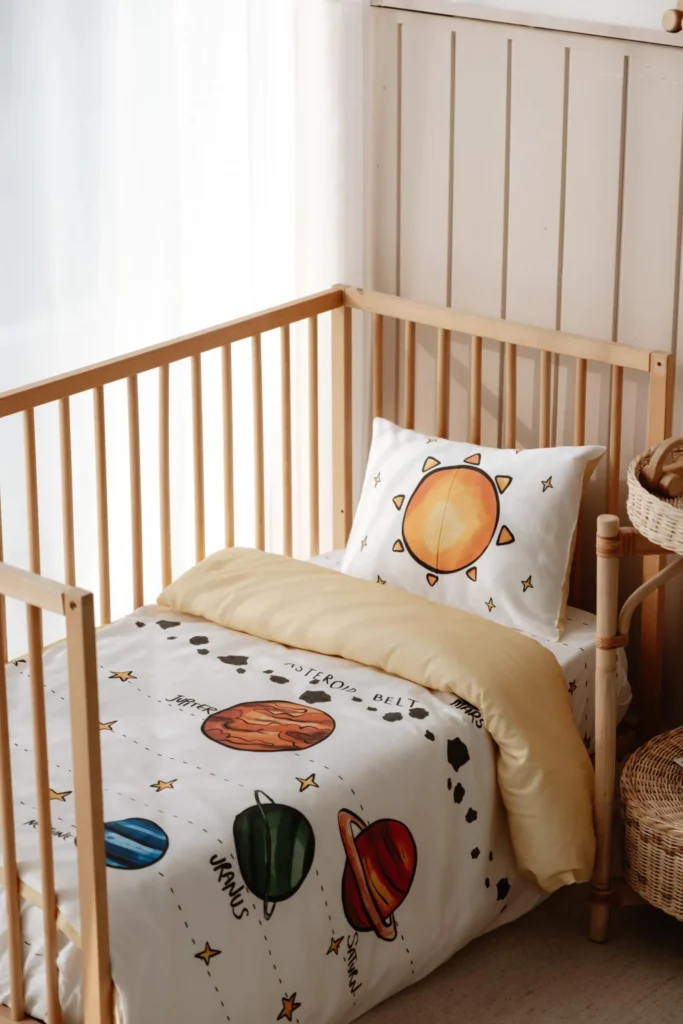
You should have a minimum of three to four high-quality fitted crib sheets on hand. This rotation ensures you have one sheet currently on the mattress, one in the laundry basket, one clean backup in the closet, and an emergency spare for unexpected middle-of-the-night changes.
Navigating the reality of newborn bodily fluids requires strategic planning. Babies frequently experience diaper blowouts, severe spit-ups, and drooling, all of which mandate immediate linen changes. While three to four sheets serve as a solid baseline, the optimal number heavily depends on your personal laundry habits and whether you have convenient access to a washing machine. If you rely on a laundromat or only run washes once a week, expanding your collection to five or six sheets will dramatically reduce parental stress.
To maximize efficiency during grueling 3 AM wake-ups, experienced parents utilize the “layering method.” This involves making the crib with alternating layers: starting with a waterproof mattress cover, followed by a fitted sheet, then a second waterproof cover, and finally a second fitted sheet on top. When a mess occurs in the dark, you simply strip off the top soiled sheet and the top protector, instantly revealing a clean, fully made bed underneath. This technique requires investing in multiple waterproof protectors alongside your primary sheets, but it eliminates the need to wrestle with elastic corners while holding a crying infant. By establishing this robust inventory, you ensure the sleep environment remains hygienic without turning laundry into a daily, overwhelming chore.
Muslin vs Cotton Crib Bedding: Which Fabric Is Safer
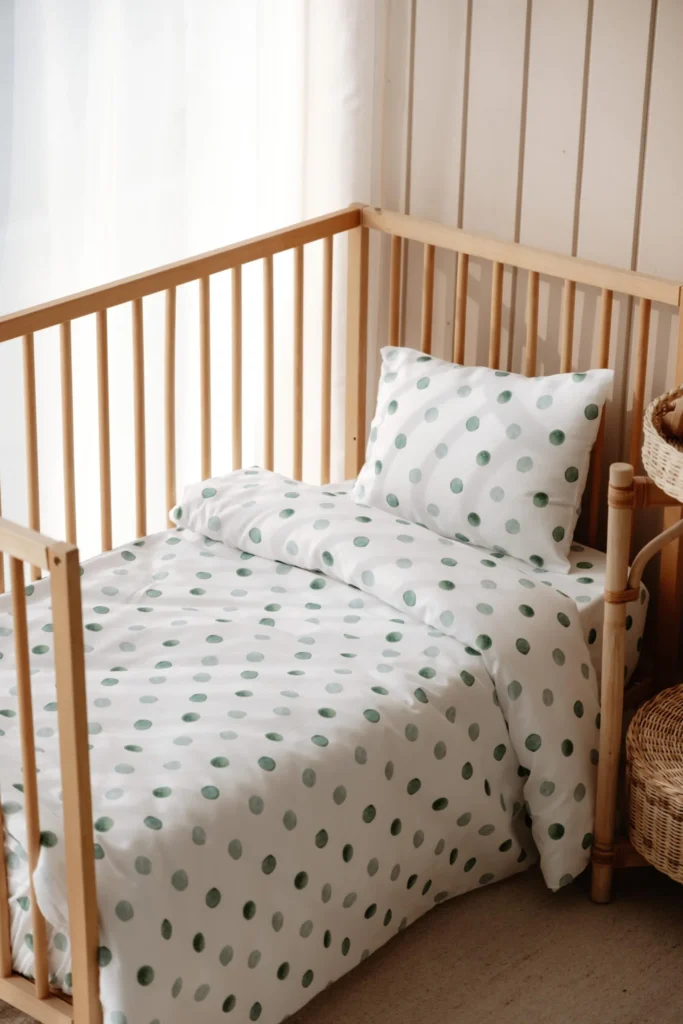
Selecting the right textile dictates your baby’s thermal regulation and overall comfort throughout the night. If you are wondering is muslin or cotton baby bedding set better for summer, you must understand the structural differences between these two incredibly popular, natural materials. Both fabrics originate from the cotton plant, but their distinct weaving processes yield entirely different performance characteristics in the nursery.
Cotton crib bedding, specifically woven in a percale or sateen finish, is the traditional standard. Percale offers a crisp, cool feel resembling luxury hotel sheets, while sateen provides a smoother, slightly warmer drape. When parents search for the best organic cotton crib bedding set, they are usually looking for these tight weaves manufactured without synthetic pesticides or harsh chemical dyes. Standard cotton is highly durable, withstands aggressive hot water washing, and resists stretching. However, extremely high thread count cotton—often marketed as a luxury feature—can actually trap body heat. For infants who cannot regulate their own body temperature effectively, a densely woven 800-thread-count sheet might lead to uncomfortable sweating during warmer months.
Muslin, conversely, features a remarkably loose, open, and plain weave. This open cellular structure makes muslin exceptionally lightweight and highly breathable, allowing optimal air circulation around the baby’s skin. It is widely considered the superior choice for hot climates or summer nurseries, as it drastically reduces the risk of overheating. A unique characteristic of muslin is its texture; it starts slightly textured but becomes noticeably softer and crinklier with every single wash cycle.
| Feature | Organic Cotton (Percale/Sateen) | Cotton Muslin |
| Breathability | Moderate to High | Exceptionally High |
| Texture | Crisp, smooth, and structured | Soft, crinkly, and lightweight |
| Durability | Extremely high; resists tearing | Good, but prone to snagging over time |
| Best Season | Year-round usage | Summer or warm nursery environments |
| Maintenance | Holds shape perfectly after washing | Wrinkles naturally; gets softer with washes |
For the safest and most comfortable environment, ensure that whichever fabric you select carries an OEKO-TEX Standard 100 certification. This globally recognized label guarantees that the textile has been rigorously tested for harmful substances, protecting your infant’s highly permeable skin from residual manufacturing chemicals.
Choosing Neutral vs Themed Crib Bedding Sets
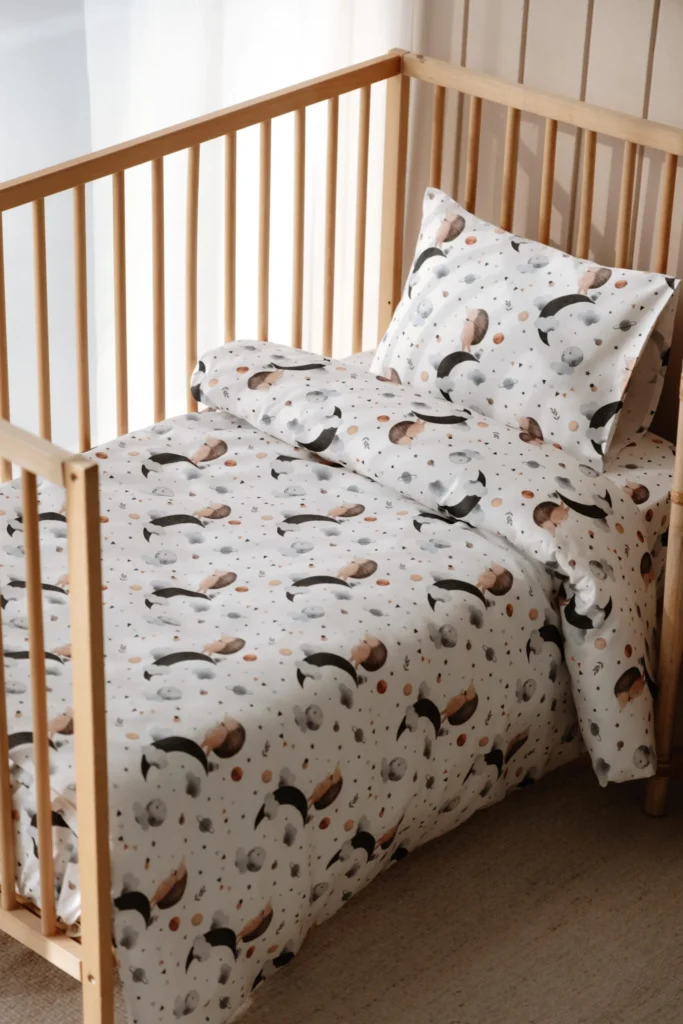
The aesthetic direction of the nursery often hinges on the linens you select. While elaborate cartoon characters and highly specific themes are traditional favorites, modern design principles are shifting rapidly toward minimalist and adaptable palettes. Finding affordable neutral crib bedding sets for rental homes or permanent residences offers distinct practical and psychological advantages for growing families.
Themed sets, featuring prominent animal prints, vehicles, or licensed characters, provide an immediate, vibrant identity to the room. If you are curating a highly specific crib bedding set girl design, floral explosions or princess motifs can look stunning in photographs. However, infant visual development suggests that overly busy, high-contrast patterns inside the crib might unnecessarily stimulate a baby right when you want them to wind down for sleep. Furthermore, specific themes carry a short aesthetic lifespan. A toddler’s interests evolve rapidly, and a nursery heavily invested in a specific character motif may require a complete, costly redesign within two years.
Neutral bedding sets, utilizing muted tones like sage green, warm terracotta, soft beige, or classic ivory, offer unparalleled versatility. These calming color palettes foster a serene, distraction-free environment conducive to relaxation and deeper sleep cycles. From a financial perspective, neutral linens are a long-term investment. They seamlessly transition into toddler beds and can be reused for future siblings regardless of gender. When browsing dos junior collections, you will notice that high-quality, solid-colored, or subtly textured neutral sheets provide a sophisticated foundation. This allows parents to introduce easily changeable pops of color through wall art, rugs, or decorative pillows, maintaining a modern, evolving aesthetic without constantly repurchasing expensive core textiles.
Crib Bedding Safety Guidelines
When evaluating how to choose safe crib bedding set for newborns, aesthetic appeal must instantly take a back seat to rigorous safety standards. The sleep environment is the only place a newborn is routinely left unattended, making it critical to adhere to the guidelines established by major pediatric health organizations to minimize the risk of Sudden Infant Death Syndrome (SIDS) and accidental suffocation.
According to the American Academy of Pediatrics (AAP), the safest sleep environment is a stark, minimalist one. The official recommendation dictates that infants should sleep on a firm, flat mattress covered only by a tightly fitted sheet. Absolutely no loose blankets, quilts, pillows, or stuffed animals should be present inside the sleep area before the child reaches twelve months of age. If a bedding set includes a thick comforter, it must be removed from the crib prior to the baby being placed down for sleep. To keep infants warm without loose covers, utilize wearable blankets or sleep sacks rated with an appropriate TOG (Thermal Overall Grade) that matches the ambient room temperature.
Traditional padded crib bumpers, once a staple of every nursery set, are now strictly condemned by safety experts and officially banned from sale in many jurisdictions, including the United States. Padded bumpers pose a severe risk of suffocation if an infant rolls against them, and they offer no proven protection against serious injuries. If you are concerned about limbs getting caught between crib slats, breathable mesh liners are often marketed as a safer alternative. However, even mesh liners must be installed with extreme tension to prevent sagging, and many safety advocates recommend leaving the slats completely bare to ensure maximum, unobstructed airflow through the crib structure. Always inspect the elastic on your fitted sheets regularly; if the elastic becomes brittle or overstretched from washing, the sheet must be immediately discarded to prevent it from coming loose during the night.
How to Wash and Care for Crib Bedding
Maintaining the pristine condition of your baby bedding set requires a precise, consistent laundry routine that eliminates stubborn biological stains while preserving the fabric’s structural integrity and safety features. Infant textiles endure heavy use, facing daily assaults from milk spills, diaper leaks, and natural skin oils.
The first step in proper care is immediate stain pretreatment. When a blowout occurs, cold water is your best tool. Rinsing protein-based stains (like milk or feces) with hot water will permanently set the stain into the fibers. Flush the affected area under cold, running water, and apply a gentle, baby-safe stain remover or a simple paste of baking soda and water. Allow the pretreatment to sit for at least fifteen minutes before transferring the item to the washing machine.
For the main wash cycle, utilize a specialized, hypoallergenic liquid detergent. Avoid harsh biological detergents containing powerful enzymes, heavy artificial fragrances, or optical brighteners, as these chemical residues can trigger contact dermatitis or eczema on a newborn’s highly sensitive skin. Wash standard cotton sheets in warm water (around 40°C to 60°C) to effectively kill bacteria and dust mites. If you are washing delicate muslin, stick to a gentler cycle with warm water to prevent excessive snagging of the loose weave. Fabric softeners should be strictly avoided entirely; they coat the textiles in a waxy chemical film that severely degrades the fabric’s natural breathability and moisture-wicking properties, compromising the temperature regulation of the sheet. For drying, tumble dry on a low heat setting to prevent the elastic bands on the fitted sheets from melting or losing their snap. Remove the sheets promptly from the dryer to minimize wrinkles, folding them neatly to store in a dry, dark linen closet until needed.
Frequently Asked Questions
What pieces are actually included in a baby bedding set?
A modern bundle strictly focuses on functional items. It typically includes one or two fitted mattress sheets, a decorative dust ruffle skirt, and often a wearable sleep sack. Traditional heavy quilts and padded bumpers are usually excluded due to strict infant sleep safety guidelines.
How many crib sheets do I need for my baby’s nursery?
You need exactly three to four fitted sheets to maintain a stress-free laundry routine. This provides one for the mattress, one for the wash, one clean backup, and an immediate spare for middle-of-the-night emergencies like diaper blowouts or unexpected spit-ups.
Is it safe to use a quilt or comforter from a bedding set?
No, it is strictly unsafe for an infant under twelve months to sleep with a loose quilt. Official pediatric guidelines dictate that quilts should only be used as decorative nursery accents, draped over a chair, or utilized as floor mats during supervised tummy time.
Which fabric is better for a crib bedding set: cotton or muslin?
Cotton percale offers excellent year-round durability and a smooth, crisp feel. However, muslin is significantly superior for hot summer months or naturally warm rooms because its open cellular weave provides maximum breathability, greatly reducing the risk of infant overheating during sleep.
Conclusion
Selecting the perfect crib bedding set is a fundamental step in designing a nursery that balances beautiful aesthetics with uncompromising safety. By prioritizing breathable fabrics like organic cotton or airy muslin, and ensuring a drum-tight fit on your mattress, you protect your infant while promoting deeper, more restful sleep cycles. Remember that modern nursery design favors minimalism; investing in high-quality, neutral fitted sheets and utilizing the functional layering method will save you time and money during those crucial first months. Explore the carefully curated, OEKO-TEX certified options available to elevate your nursery’s comfort. View the exclusive collection and find your ideal match today → Dos Junior baby textile collection.