


Wall decals vs wall stickers — this distinction goes far beyond semantics. The materials, adhesive chemistry, and long-term safety profiles of these two product categories are fundamentally different, and choosing the wrong one for a nursery or bedroom can result in toxic off-gassing, mold growth behind the decoration, and costly paint damage upon removal. This comprehensive guide breaks down exactly what separates premium textile decals from standard vinyl stickers, so you can make a fully informed decision for your home and family.
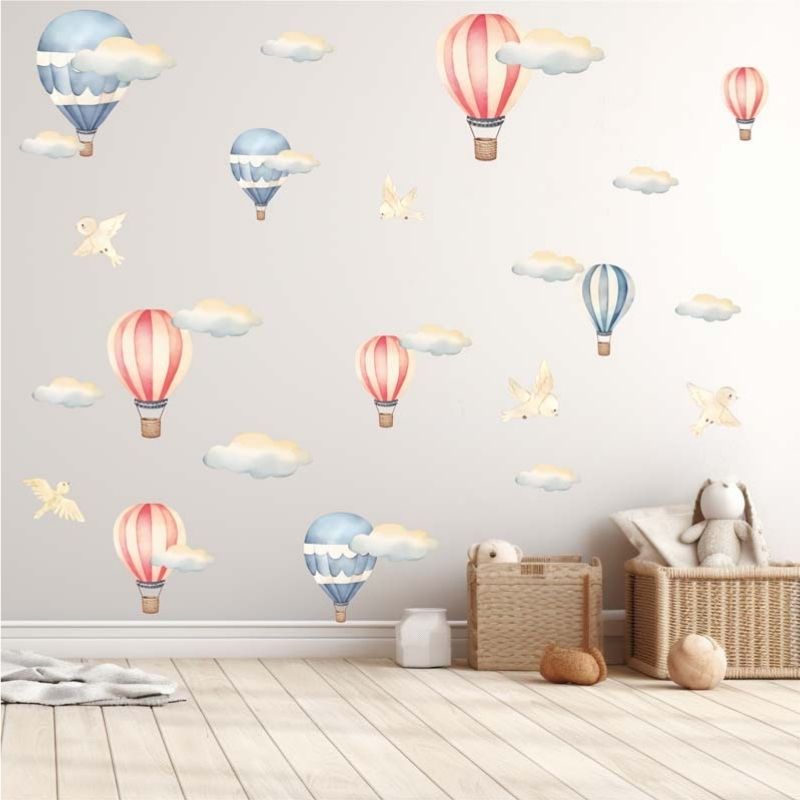
What Is the Difference Between a Wall Decal and a Wall Sticker?
The difference between a wall decal and a wall sticker is rooted in manufacturing materials and structural engineering, not regional terminology. Standard stickers are mass-produced from extruded polyvinyl chloride (PVC), a rigid plastic that requires chemical plasticizers to become pliable enough to apply to a wall. Premium wall decals, by contrast, are constructed from woven polyester textile — a breathable, dimensionally stable fabric engineered specifically for long-term architectural installation.
At the cross-sectional level, a standard sticker consists of three layers: a glossy PVC substrate, a surface-printed ink layer, and an aggressive solvent-based adhesive. Every element of this construction is optimized for low production cost, not performance or safety. The ink sits on top of the plastic rather than being absorbed into it, making it highly vulnerable to UV fading and surface scratching within months of installation.
A premium textile decal reverses every one of these compromises. The woven polyester substrate provides natural mechanical flexibility without any chemical additives. Eco-solvent or water-based inks are absorbed deeply into the fibers, producing rich, fade-resistant color that holds up under years of ambient sunlight exposure. The adhesive is a non-curing water-based acrylic compound that maintains a permanent, gentle grip without ever chemically bonding to the paint beneath it.
| Specification | Premium Textile Decal | Standard Vinyl Sticker |
|---|---|---|
| Core Material | Woven polyester fabric | Polyvinyl Chloride (PVC) |
| Visual Finish | Anti-glare matte | Highly reflective gloss |
| Wall Safety | 100% damage-free | High risk of paint peeling |
| Breathability | Full vapor transmission | Impermeable moisture barrier |
| Shrinkage Rate | 0% over 5 years | Noticeable within 6 months |
| VOC Emissions | Zero | Ongoing plasticizer off-gassing |
Fabric wall decals vs vinyl chemical properties
To truly comprehend the disparity in quality, we must analyze the chemical properties of fabric wall decals vs vinyl alternatives. Polyvinyl Chloride (PVC), the primary ingredient in standard wall stickers, is inherently a rigid, inflexible polymer. To transform this rigid plastic into a pliable sheet that can be rolled into a shipping tube, manufacturers must inject substantial volumes of liquid chemical plasticizers, predominantly phthalates. This chemical intervention is structurally unstable.
Over time, these plasticizers undergo a process known as molecular migration. They slowly separate from the PVC matrix and evaporate into the surrounding environment. This evaporation is the source of the distinct “new plastic” chemical odor often associated with cheap stickers. As the plasticizers leave the material, the vinyl inevitably attempts to return to its natural, rigid state. This causes the sticker to shrink noticeably. Because the adhesive is holding the edges to the wall, the shrinking vinyl generates immense surface tension, causing the edges to curl inward, collect dust, and eventually peel away from the drywall entirely.
Premium textile decals bypass this chemical instability completely. Because they are constructed from woven polyester threads, they possess natural mechanical flexibility. They do not require the injection of toxic liquid plasticizers to remain pliable. Consequently, there is no molecular migration, no chemical off-gassing, and absolutely zero shrinkage over the product’s lifespan. The material remains dimensionally stable regardless of age, temperature fluctuations, or exposure to ambient sunlight.
Fabric Wall Decals vs Vinyl: The Chemistry Behind the Difference
To fully understand fabric wall decals vs vinyl alternatives, you need to look at what happens to PVC over time. Polyvinyl chloride in its natural state is a hard, brittle polymer — completely unsuitable for flexible wall decoration. To make it pliable, manufacturers inject large volumes of liquid chemical plasticizers, most commonly phthalates, into the material during production.
This chemical intervention creates an inherently unstable product. Once the sticker is applied to your wall, the plasticizers begin a slow process called molecular migration. They gradually separate from the PVC matrix and evaporate into the surrounding room air. This is the source of the sharp chemical odor associated with new vinyl stickers. As the plasticizers escape, the material attempts to return to its natural rigid state. The result is visible shrinkage, edge curling, dust accumulation along the edges, and eventual peeling — often within six months of installation.
Premium textile decals bypass this entire chain of degradation. Woven polyester is naturally flexible. It requires no plasticizer injection and undergoes zero molecular migration. The material remains dimensionally stable across years of temperature fluctuations, humidity changes, and sunlight exposure. There is no chemical off-gassing at any point during the product’s lifespan.
The Critical Role of Breathability
Residential walls are dynamic environments. Drywall constantly absorbs and releases microscopic amounts of moisture based on seasonal humidity changes and indoor temperature shifts. When a large sheet of PVC vinyl is applied to a wall surface, it creates an impermeable vapor barrier. Moisture trapped behind the plastic cannot evaporate. Over months, this creates the ideal microclimate for toxic black mold and mildew growth — permanently staining the drywall and posing serious respiratory risks to everyone in the home.
Woven textile decals allow continuous vapor transmission. Moisture passes freely through the microscopic gaps between polyester threads, keeping the wall dry and structurally sound beneath the decoration. This breathability makes textile decals the only genuinely viable option for permanent or long-term interior installations, particularly in nurseries and bedrooms where occupants spend extended hours.
Are Stickers and Decals the Same Thing When It Comes to Safety?
No — and the safety gap between them is most significant in spaces designed for infants and young children. When you cover a substantial portion of a nursery with PVC-based vinyl stickers, you are introducing a large surface area of active plasticizer chemistry into a small, enclosed, climate-controlled room. As these compounds off-gas, they release Volatile Organic Compounds (VOCs) directly into the breathing zone of a developing infant.
Prolonged exposure to elevated VOC levels in residential sleeping environments has been associated by health organizations with increased rates of childhood asthma, chronic headaches, and allergic dermatitis. The smaller the room and the larger the sticker coverage, the more concentrated these emissions become.
PVC-Free Nursery Wall Decals and Indoor Air Quality
The demand for genuinely non-toxic nursery environments has driven development of completely PVC-free nursery wall decals. Brands that prioritize health use proprietary textile blends entirely free of phthalates, heavy metals, and toxic chemical solvents. The printing process relies exclusively on water-based ink technologies, which use water as the primary pigment carrier rather than harsh solvents like toluene or xylene found in conventional sticker printing.
The result is a product that is completely odorless from the moment it leaves its packaging and safe for immediate installation in a newborn’s room. High-end textile wall decals routinely meet the strictest global certifications for indoor air quality, providing documented reassurance for health-conscious parents.
Physical Safety Considerations
Beyond chemistry, the physical safety profile of wall decals deserves attention. Traditional nursery decor often involves hanging heavy framed artwork, wooden letters, or floating shelves directly above cribs and changing tables. These objects represent a genuine physical hazard in the event of an earthquake, accidental impact, or gradual anchor failure.
Wall decals eliminate this risk entirely. Because they sit flush against the drywall and have virtually negligible mass, there is zero risk of blunt force trauma if the decoration were to detach. This makes decals the definitively safest choice for the vertical space directly above where an infant sleeps or plays.
Do Wall Stickers Damage Paint?
Yes — traditional vinyl wall stickers frequently cause significant paint damage, and understanding why requires a look at adhesive chemistry. Industrial adhesives fall into two categories: curing bonds and non-curing bonds. The type used in a product determines its entire removal profile.
Standard vinyl stickers use aggressive, solvent-based adhesives designed to achieve maximum tackiness on contact. When exposed to oxygen and room temperature, these adhesives undergo an irreversible chemical curing process. Within the first 48 hours of application, the liquid components evaporate and the remaining solids harden into a rigid mechanical bond that fuses with the microscopic pores of the underlying wall paint.
When you attempt to remove a cured vinyl sticker months or years later, the tensile strength of the hardened adhesive frequently exceeds the bond strength between the paint layer and the primer beneath it. The sticker refuses to release the paint cleanly, pulling thick, jagged sections of color with it and exposing bare drywall. This type of damage requires patching, sanding, priming, and full repainting to repair — a significant cost for homeowners and a direct threat to the security deposit for renters.
How Non-Curing Acrylic Adhesives Protect Your Walls
Premium textile wall decals use a fundamentally different adhesive technology: water-based acrylic micro-adhesives that never chemically cure into a solid state. Instead of hardening and fusing with your paint, these compounds remain permanently viscous and elastic. They operate on the principle of surface tension rather than chemical bonding.
Think of millions of microscopic suction cups that grip a smooth paint surface without penetrating its chemical structure. When the time comes to remove or reposition the decal — whether you’re updating the nursery theme as your child grows or moving to a new home — the elastic adhesive releases its grip cleanly. It stretches slightly as the decal lifts, letting go without leaving sticky residue, oil staining, or surface scarring behind.
One important condition applies: this damage-free removal depends on the underlying wall being properly prepared. The paint must be high-quality interior latex, fully cured for a minimum of 30 days before the decal is applied. Applying any adhesive to uncured, chalky, or damaged paint will compromise results regardless of how good the decal is.
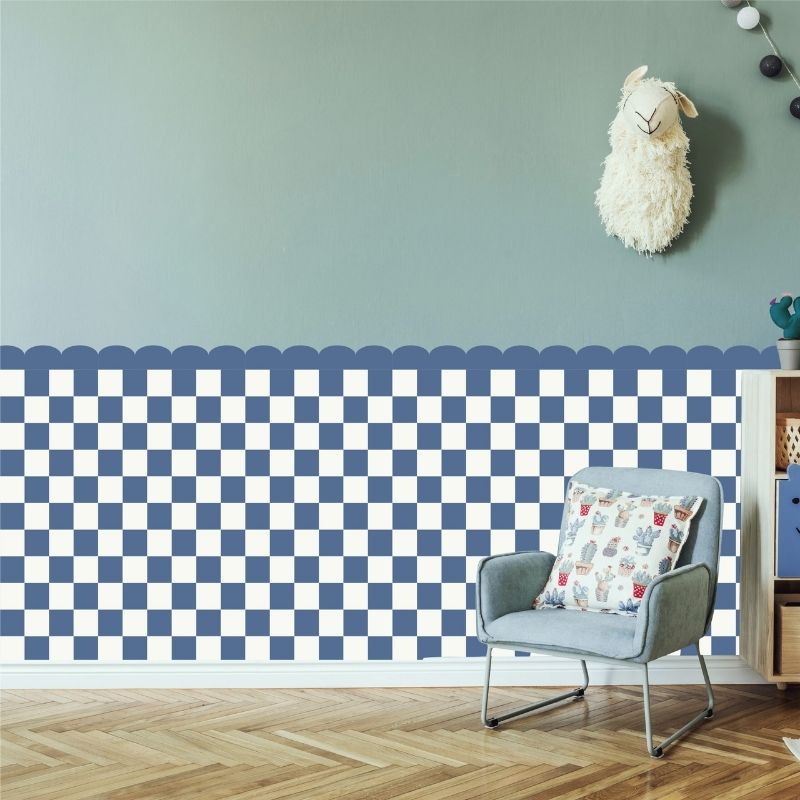
What Does Wall Decal Mean in Modern Interior Design?
The term “decalcomania” historically referred to transferring intricate engravings from prepared paper onto glass, porcelain, or metal. In contemporary interior architecture, the definition has evolved into something considerably more versatile. Today, a wall decal represents a sophisticated, pre-cut artistic element designed to integrate seamlessly into a room’s broader aesthetic without the permanence or chemical exposure of traditional wallpaper or paint.
Wall decals meaning in modern design centers on the concept of adaptable luxury. Interior trends shift quickly, and the ability to completely transform the visual character of a room within a single afternoon — without contractors, toxic fumes, or long drying times — is a significant practical advantage. Premium decals support high-frequency aesthetic updates, allowing bold geometric patterns, intricate botanical illustrations, or large typographic installations to be introduced and later swapped out with zero long-term commitment.
Room-by-Room Application Guide
Designing the Ideal Nursery
The nursery demands the highest standards of material safety. PVC-free textile decals are the only appropriate choice for this environment. The complete absence of VOC off-gassing protects a developing infant’s respiratory system throughout every hour spent in the room. The anti-glare matte finish prevents harsh light reflections that can disrupt sleep or cause sensory overload in young babies.
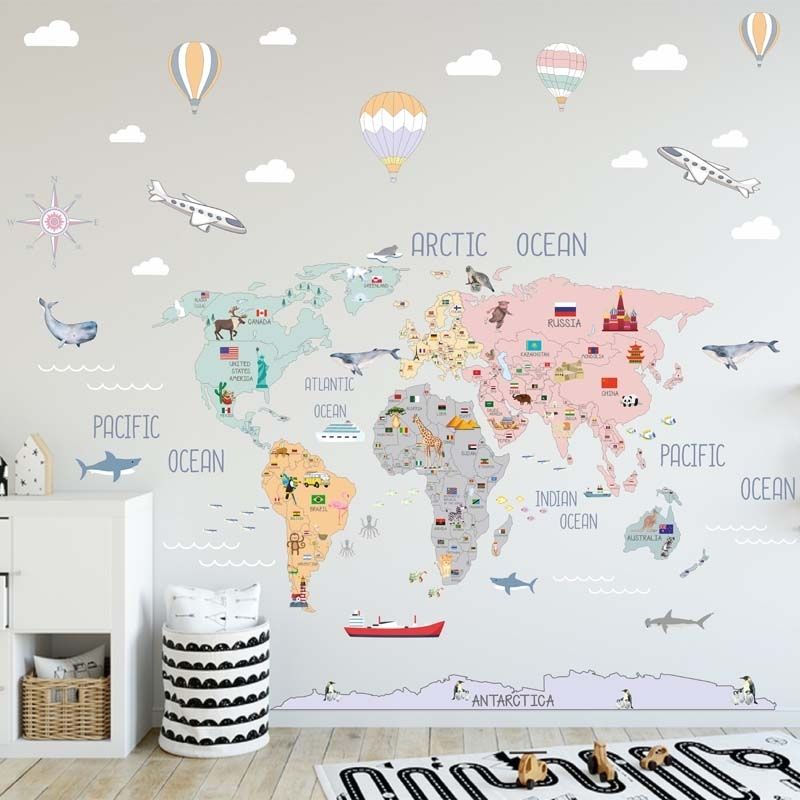
Large-scale animal motifs or personalized name decals placed above the crib create a strong visual focal point that establishes the room’s identity while keeping the critical vertical space above the sleeping area free from physical hazards. For older infants and toddlers, a world map wall decal serves double duty as both decoration and an early learning tool — a far safer and more durable alternative to paper stickers, which pose a choking hazard if they peel and fall.
High-Humidity Zones: Bathrooms and Kitchens
Bathrooms and kitchens present unique challenges due to rapidly fluctuating temperatures and elevated ambient humidity. Standard vinyl stickers perform particularly poorly here: they trap moisture, promote mold growth, and tend to peel at the edges within weeks in steamy environments.
Woven polyester textile decals perform well in these spaces because their breathable lattice structure prevents moisture buildup behind the adhesive layer. The vapor transmission properties keep the adhesive bond intact despite the demanding microclimate. The one placement rule to follow: do not apply decals to surfaces that receive direct, continuous water contact, such as the interior walls of a shower enclosure. On standard bathroom drywall or kitchen surfaces away from the splash zone, textile decals are a durable and safe choice.
How to Install Wall Decals Correctly
Proper installation determines whether a textile decal performs flawlessly for years or begins failing within weeks. Environmental conditions and surface preparation account for the vast majority of all product failures.
Surface preparation: Wash the wall with a heavily diluted solution of mild dish soap and warm water to remove invisible fingerprints, airborne cooking oils, and dust. Allow the wall to dry completely for a minimum of 24 hours before proceeding.
Climate conditions: Stabilize the room temperature between 18°C and 25°C with relative humidity around 45%. Cold temperatures make the acrylic adhesive too brittle to form a reliable initial bond. Excessive heat makes the textile overly pliable and risks stretching during application.
Material preparation: Unroll the decal and lay it completely flat on a clean floor for 12 to 24 hours to eliminate curling memory from the shipping tube.
Application steps:
- Use a digital laser level and low-tack painter’s tape to mark precise alignment guides on the wall.
- Peel back exactly the top 15 centimeters of the protective backing paper to expose the initial adhesive strip.
- Align the exposed top edge with your tape markers and press firmly into the wall.
- Using a soft felt squeegee, push trapped air from the center outward toward the edges while slowly pulling the remaining backing paper downward at a 45-degree angle.
- Work methodically from top to bottom, smoothing each section before exposing the next.
Long-Term Maintenance
Textile decals require minimal upkeep. The woven surface naturally resists heavy dust accumulation. For routine cleaning, lightly pass a dry electrostatic microfiber duster over the surface every few weeks. For localized stains or fingerprints, gently dab the affected area with a soft cloth dampened with distilled water. Never use chemical cleaners, bleach, or abrasive pads — these will destroy the water-based inks and damage the polyester fibers.
Frequently Asked Question
Are stickers and decals the same thing?
No. Stickers are mass-produced from PVC vinyl and rely on toxic plasticizers and curing adhesives. Decals are premium, architectural-grade products made from woven polyester textile with non-curing acrylic adhesives designed for long-term, damage-free installation.
Do vinyl wall stickers damage paint?
Yes. The solvent-based curing adhesives used in standard vinyl stickers chemically bond with wall paint over time. When removed, they frequently pull paint layers away from the drywall, requiring professional repair.
What does wall decal mean?
In modern interior design, a wall decal is a self-adhesive decorative element made from breathable, PVC-free textile material with non-curing adhesive. It mimics the appearance of a painted mural while remaining fully removable without surface damage.
Why are fabric wall decals superior for nurseries?
Fabric decals contain no PVC, phthalates, or chemical solvents. They release zero VOCs into the infant’s breathing environment. Their woven structure allows vapor transmission that prevents mold growth behind the decoration. Their matte finish eliminates visual glare that can disturb sleep.
Can wall decals be repositioned?
Yes — premium textile decals with non-curing acrylic adhesives can be carefully repositioned without damage to the wall surface, provided the underlying paint is properly cured and in good condition.
Conclusion
The wall decals vs wall stickers decision ultimately comes down to material science, safety chemistry, and long-term performance. Standard vinyl stickers introduce toxic plasticizers into your home, trap moisture behind an impermeable surface, and destroy paint upon removal. Premium PVC-free textile decals deliver sophisticated, matte-finish aesthetics with zero VOC emissions, full wall breathability, and clean removal after years of installation. For any interior environment — and especially for nurseries where infant health is paramount — the choice between these two product categories is clear.