

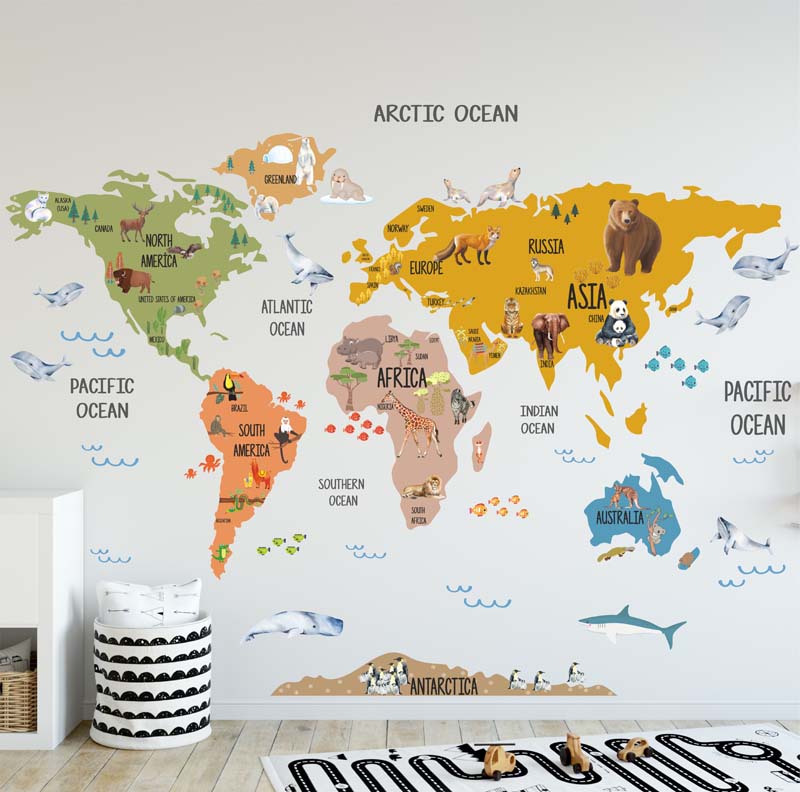
Designing a space for your little one is undeniably one of the most exciting and emotionally fulfilling milestones of parenting. From the moment you begin the “nesting” phase, you likely spend countless hours curating the perfect color palette, hunting for the coziest rugs, and picking out the perfect eco-friendly kids room decor to complement their adorable, miniature furniture. We want our children’s spaces to look like they leaped straight out of a fairy tale. However, beneath the surface of beautiful aesthetics lies a critical, often overlooked factor that must be the true foundation of any eco-friendly kids room decor: health and safety.
Creating an eco-friendly kids room decor is no longer just a passing design trend; it is an absolute necessity. It is the essential first step in ensuring your child grows, plays, and sleeps in an environment entirely free from harmful hidden chemicals. Children’s developing immune systems, brains, and lungs are incredibly sensitive to their surroundings—far more so than adults. The materials we bring into their sanctuaries can either support their delicate well-being or unknowingly introduce silent toxins into their daily lives.
In this exhaustive, deeply researched guide, we will walk you through every single detail you need to know about designing a non-toxic nursery and a sustainable children’s room. We will explore everything from the importance of breathable textiles and solid wood furniture to choosing safe wall decals for kids that inspire boundless imagination without ever compromising their health.
Why Does a Non-Toxic Nursery Matter So Much?
When we think of pollution, our minds immediately jump to outdoor smog, car exhaust, or industrial factories. We rarely think of our children’s bedrooms as sources of air pollution. Yet, environmental studies consistently show that indoor air quality can be significantly worse than outdoor air. This is largely due to the products we bring into our homes.
Many conventional interior design products—from fresh paint to brand-new synthetic rugs—release volatile organic compounds (VOCs) into the air. VOCs are chemicals that slowly off-gas at room temperature. This means that long after the “new room smell” fades, microscopic chemical particles are still being released into the enclosed space where your baby sleeps for 12 to 14 hours a day.
Building a non-toxic nursery is a non-negotiable aspect of modern parenting because:
- It fiercely protects respiratory health: Eliminating VOC-heavy paints, synthetic carpets, and plastics ensures the air your child breathes is clean, reducing the risk of developing childhood asthma.
- It prevents severe allergic reactions: Hypoallergenic, organic, and natural materials are significantly gentler on highly sensitive, eczema-prone baby skin.
- It prevents neurotoxin exposure: Certain heavy metals and chemical flame retardants used in cheap furniture have been linked to developmental delays.
- It supports a much healthier planet: Sustainable, biodegradable choices reduce massive carbon footprints and minimize global landfill waste, actively leaving a better, greener world for the next generation to inherit.
The Hidden Dangers Lurking in Traditional Decor
Before we can make empowered, better choices, we must deeply understand what we need to avoid. Traditional interior design items often contain highly synthetic materials that are fundamentally unsuitable for close, prolonged contact with infants and toddlers.
The Threat of Phthalates and PVC
Polyvinyl chloride (PVC) is a notoriously toxic but widely used plastic found in everything from cheap toys and shower curtains to mass-produced wallpapers and wall stickers. To make rigid PVC flexible enough to be a wall sticker, manufacturers must add phthalates. Phthalates are chemical plasticizers that do not bind to the plastic permanently; instead, they easily and continuously escape into the air, binding to common household dust which children then inhale or ingest when they put their hands in their mouths. For a truly sustainable children’s room, avoiding PVC entirely is one of the most impactful, health-saving decisions you can make.
Harmful Inks, Dyes, and Heavy Metals
The beautiful, hyper-vibrant colors on standard nursery rugs, blackout curtains, and generic wallpapers are frequently achieved using cheap, heavy metal-based dyes and highly toxic solvent inks. When these low-quality materials are exposed to everyday sunlight or standard room heat, they can begin to break down, releasing micro-toxins into the tightly enclosed environment of a child’s bedroom.
Chemical Flame Retardants
Many traditional crib mattresses, nursing chairs, and synthetic rugs are legally required to be doused in chemical flame retardants. While meant for safety in extreme emergencies, these chemicals (like PBDEs) bioaccumulate in the human body and have been heavily scrutinized by pediatric health organizations for their negative impacts on neurological development.
Step-by-Step Guide to Sustainable Children’s Room Design
Transforming a room into a chemical-free safe haven does not mean you have to sacrifice your design vision or settle for a boring, sterile space. In fact, natural materials inherently bring a timeless, warm, and highly premium aesthetic to a room. Here is exactly how you can build an eco-conscious room from the ground up.
1. Start with the Foundation: Safe Paints and Finishes
The largest surface area in any room is the walls. Always opt for Zero-VOC or strictly Low-VOC paints. Better yet, look for natural milk paints or clay-based paints. These water-based options provide excellent, rich coverage and vibrant colors without the lingering, headache-inducing chemical smell. Even with Zero-VOC paint, if you are preparing a room for a newborn, aim to complete any painting at least a full month before the baby arrives to allow the room to ventilate perfectly.
2. Choose Solid, Natural Wood Furniture
When selecting cribs, toddler beds, changing tables, and dressers, aggressively look for solid wood pieces rather than pressed wood, MDF (medium-density fiberboard), plywood, or particleboard. Manufactured composite woods are almost always bound together with cheap, formaldehyde-based glues that emit toxic gases for years. If solid wood is completely out of your budget, ensure the composite furniture you buy is explicitly GREENGUARD Gold certified, which guarantees strictly monitored low-emission standards.
3. Flooring: The Play Zone
Babies and toddlers spend the majority of their waking hours on the floor—crawling, rolling, and playing. Wall-to-wall synthetic carpeting is a magnet for dust mites, mold, and off-gassing adhesives. If possible, stick to natural hard floors like solid hardwood (finished with non-toxic sealants) or natural linoleum (made from linseed oil, not plastic). Soften the play area with washable rugs made from 100% organic cotton, natural wool, or jute, ensuring they are colored with natural, plant-based dyes.
4. Breathable, Hypoallergenic Textiles
From the crib sheets and swaddles to the nursing chair upholstery and curtains, textiles play a massive role in room safety. Opt for natural, untreated fibers like GOTS-certified organic cotton, pure linen, or OEKO-TEX certified bamboo. These materials are naturally highly breathable, excellent at temperature-regulating (which prevents baby from overheating), and inherently hypoallergenic.
Wall Decor: The Safe Way to Spark Boundless Imagination
A child’s room should absolutely be a place of immense wonder, daily joy, and visual discovery. Blank walls offer the absolute perfect canvas to introduce them to world geography, gentle woodland animals, and magical, starry landscapes. However, standard wallpapers and cheap, mass-market stickers heavily rely on the very plastics and toxic glues we are trying so desperately to avoid.
This is exactly where thoughtful, artisan design and material science make all the difference. When selecting wall art, the ultimate goal is to find pieces that are visually captivating, educational, and strictly non-toxic.
Safe Wall Decals for Kids vs. Traditional Wallpaper
Traditional wallpaper is a heavy commitment. It requires messy, chemical-heavy pastes, professional installation, and can permanently, irreparably damage your drywall upon removal. Furthermore, vinyl-based wallpapers are just giant sheets of PVC. For modern, health-conscious parents, woven fabric wall decals are the ultimate, perfect solution.
When searching for the perfect decorations to complete your nursery, you must specifically look for PVC-free fabric decals. Unlike cheap vinyl stickers that tear easily, curl at the edges within weeks, and emit strong plastic odors, high-quality woven fabric decals offer a premium, textured matte finish. Once applied, they look exactly like a highly expensive, hand-painted mural rather than a shiny plastic sticker.
Furthermore, top-tier ethical producers utilize exclusively eco-certified ink. This critical detail ensures that the beautiful pastel colors illustrating world maps, cute safari animals, and floral arrangements are entirely safe for your child’s indoor air quality. There are no solvent fumes, no heavy metals, and no off-gassing.
Another massive advantage of premium fabric decals is their real-world practicality. A child’s interests and developmental stages change rapidly; today they love dinosaurs, tomorrow they want to explore outer space, and next year they might be obsessed with the ocean. High-quality fabric decals are engineered with safe, water-based adhesives designed to be applied, repositioned, and removed easily without leaving sticky residue or damaging the wall paint. This incredible flexibility is perfect for renters, military families, and parents who simply want to adapt the room organically as the child grows.
The Deep Value of Artisan Craftsmanship in Decor
In a modern world entirely flooded with mass-produced, identical plastic goods shipped from mega-factories, there is a profound, soul-warming value in bringing true artisan craftsmanship into your family’s home. Decor items that are hand-drawn, carefully conceptualized, and lovingly created in a dedicated studio carry a vastly different energy.
When every single element—every tiny continent on a world map, every leaf on a jungle tree—is originally sketched and delicately painted by hand before being sustainably transferred to a safe, woven fabric, the result is a room that feels beautifully bespoke and derinden (deeply) personal. Handcrafted-style designs stimulate a child’s visual learning pathways, emotional intelligence, and early appreciation for art far better than generic, sharp, computer-generated graphics.
Furthermore, ethical brands that genuinely care about child safety usually extend that deep care to the planet we all share. Packaging matters just as much as the product itself. Brands that meticulously inspect their products by hand and ship them safely in sturdy, recycled shipping tubes demonstrate a holistic, unbreakable commitment to sustainability. Every single step of the journey, from the artist’s initial sketch in the studio to the moment the package arrives at your doorstep, should vividly reflect a deep respect for nature and human health.
Frequently asked questions
Transitioning to a non-toxic lifestyle, especially for your children, brings up a lot of valid questions. Here are the most frequently asked questions regarding sustainable kids’ room decor and safe wall applications.
1. What exactly does “eco-friendly kids room decor” mean?
Eco-friendly decor refers to furniture, textiles, paints, and decorations made from renewable, natural, or recycled materials that are manufactured using environmentally sustainable practices. Crucially for kids’ rooms, it also means these items are completely free from toxic chemicals, heavy metals, VOCs, and synthetic plastics like PVC, ensuring they do not pollute the indoor air.
2. Are wall decals actually safe for a newborn’s room?
Yes, but only if you choose the right kind. Cheap vinyl decals made of PVC can off-gas phthalates and VOCs. However, premium PVC-free fabric decals printed with water-based, eco-certified inks are 100% safe for a newborn’s room, as they do not emit any harmful fumes.
3. What is the technical difference between a vinyl decal and a fabric decal?
Vinyl decals are essentially plastic stickers made from PVC. They are thin, shiny, prone to tearing, and stretch out of shape when pulled. Fabric decals are woven from polyester or natural fibers without PVC. They have a beautiful matte texture, do not stretch or tear easily, and use safer, water-based adhesives.
4. Will eco-friendly fabric decals damage my wall paint when I remove them?
High-quality fabric decals use a specialized, gentle adhesive that grips the wall firmly but releases cleanly. As long as your walls were properly primed and the paint was allowed to cure fully (usually 30 days) before application, they will not damage the paint or leave a sticky residue behind.
5. How do I clean PVC-free fabric wall decals if my child touches them?
Despite being fabric, they are remarkably durable and easy to maintain. If they get dusty or a child touches them with sticky hands, you can simply take a soft, slightly damp cloth and wipe them down gently. Because they use high-quality eco-certified inks, the colors will not smudge or run with light moisture.
6. What exactly is “off-gassing” and how long does it last?
Off-gassing is the process where manufactured items release volatile organic compounds (VOCs) and other chemicals into the air as gases. The strongest off-gassing happens in the first few months, which is why new items smell strongly of chemicals. However, low-level off-gassing from products like polyurethane foam or PVC can continue for years. This is why buying Zero-VOC or PVC-free products from the start is so important.
7. Are all “natural” materials always hypoallergenic?
Not necessarily. While natural materials like organic cotton and bamboo are inherently hypoallergenic and resist dust mites, materials like natural latex or certain animal wools can trigger allergies in very specific individuals. However, compared to synthetic fibers treated with chemical flame retardants, natural materials are overwhelmingly safer and gentler on the immune system.
8. Can I apply fabric decals to textured walls?
Fabric decals adhere best to smooth, clean walls. While their slightly thicker woven nature allows them to hide very minor wall imperfections better than thin vinyl, they may struggle to adhere properly to heavily textured walls (like deep stucco or popcorn textures) because air gets trapped behind the adhesive.
9. Is creating a non-toxic nursery significantly more expensive?
It can have a higher upfront cost if you are buying brand new, solid wood furniture. However, investing in high-quality, durable, safe items often saves money in the long run as they don’t break or wear out quickly. Furthermore, choosing removable, wall-safe fabric decals is a highly cost-effective and luxurious alternative to hiring professionals to install or remove traditional wallpaper.
10. Why is “eco-certified ink” so important for indoor decor?
Standard industrial inks use harsh chemical solvents to bind the color to the material. These solvents evaporate into the room over time. Eco-certified inks are usually water-based or use natural latex, meaning they achieve beautiful, vibrant, fade-resistant colors without releasing toxic solvent fumes into your child’s breathing zone.
11. Can room decor actually affect a child’s psychological development?
Absolutely. Visual environments heavily influence a child’s mood, stress levels, and cognitive development. Harsh, overly chaotic patterns can overstimulate, while thoughtful, beautifully hand-drawn designs of nature, maps, and animals can foster a sense of calm, curiosity, and early cognitive mapping skills.
12. How do I know if a brand is truly eco-friendly and not just “greenwashing”?
Look for transparency in their manufacturing process. Truly eco-friendly brands will gladly specify exactly what materials they use (e.g., “PVC-free woven fabric,” “water-based inks”) and detail their shipping methods (e.g., “recycled shipping tubes”). Brands that are vague and just use buzzwords without detailing their materials are often greenwashing.
13. Are eco-friendly fabric decals reusable if we move to a new house?
In many cases, yes! High-quality fabric decals retain their adhesive properties well. If you carefully peel them off the wall and place them back on their original backing paper (or a smooth wax paper), you can roll them up, pack them safely, and reapply them in your new home.
14. What is the best room temperature to apply these decorations?
For the adhesive to bond perfectly with the wall, it is best to apply wall decals in a moderate room temperature, ideally between 65°F and 75°F (18°C – 24°C). Avoid applying them if the wall is freezing cold or in direct, blazing sunlight.
15. How long do fabric wall decals last?
Because they are printed with premium, fade-resistant eco-inks and made from durable woven fibers, high-quality indoor fabric decals can last for many years—often outlasting your child’s current phase! They will not shrink, peel, or fade like cheap plastic alternatives.
Crafting a Space Built for Big Dreams and Healthy Futures
Designing an eco-friendly kids room decor is fundamentally about balancing breathtaking beauty, everyday practicality, and ultimate, uncompromising safety. By consciously choosing zero-VOC paints, investing in natural, breathable textiles, and exclusively utilizing PVC-free wall decorations, you are doing so much more than just styling a cute room. You are actively, fiercely protecting your child’s long-term health and fostering a pristine environment where they can safely learn, grow, and play.
Remember that every single small choice matters immensely. From the safety of the eco-certified ink that colors their favorite, hand-drawn world map wall decal, to the recycled, earth-conscious packaging it arrives in, your sustainable choices create a powerful ripple effect for a healthier future—both for your family and the planet.
Are you ready to transform your little explorer’s room into a truly magical, deeply safe haven?
Discover Dos Junior’s meticulously hand-drawn, totally PVC-free fabric wall decals and luxurious, eco-friendly textiles today. Bring the boundless wonders of the world directly to their walls, safely, sustainably, and beautifully. Explore our newest artisan collections today and let the magical journey begin!