News


How to Remove Wall Decals Without Damaging Paint
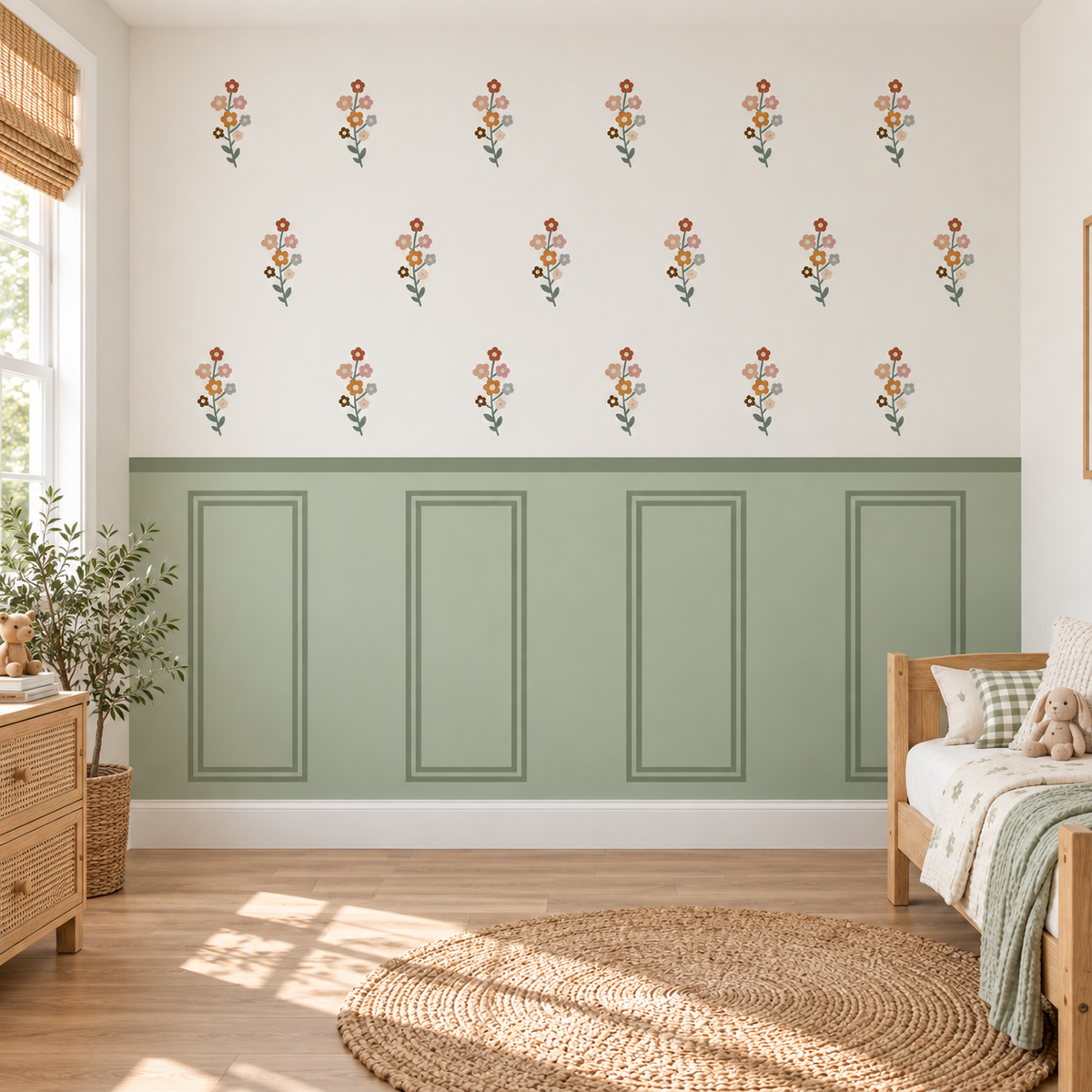
Wondering how to remove wall decals without damaging paint? The safest approach is to start at one corner, peel slowly at a low angle, and stop if the decal resists or the paint begins to lift. Gentle warmth from a hair dryer may help loosen certain adhesives, but the correct method depends on the decal material, paint condition, and wall surface. Wildflower Peel and Stick Fabric Wall Decals | BohoBaby and Mom Duck Textile Decals Whether you are updating a nursery, refreshing a child's bedroom, or removing older wall stickers before redecorating, the goal is the same: lift the decoration while protecting the surface underneath. This guide explains how to remove wall decals step by step, deal with leftover adhesive, approach different wall finishes, and avoid common mistakes that can lead to peeling paint. Quick Answer: How to Remove Wall Decals Safely Check the decal manufacturer's removal instructions. Test a small, inconspicuous section first. Lift one corner with your fingernail or a plastic tool. Peel slowly, folding the decal back close to the wall. If it resists, stop and try gentle warmth if the product instructions allow it. Clean any remaining adhesive using a method suitable for your paint finish. Why Are Some Wall Decals Harder to Remove? Not all wall decals behave the same way during removal. Some removable designs lift cleanly, while others become difficult to peel after extended use or exposure to heat and sunlight. The condition of the wall is just as important as the adhesive. Even a product marketed as removable may lift paint if the underlying coating is poorly bonded, damaged, or not fully cured. Decal Material and Adhesive Type Wall graphics may be made from vinyl, fabric-based materials, or other printable films. They can also use different adhesive systems, including removable, repositionable, and more permanent formulations. A removable adhesive is generally intended to allow easier removal under specified conditions. However, removable does not mean guaranteed damage-free on every wall. For the most reliable results, follow the removal instructions supplied with the specific product rather than assuming all wall stickers use the same adhesive. Paint Type and Wall Condition Glossy and semi-gloss surfaces may be easier to clean than some flat or matte finishes, but actual removal performance depends on the paint formulation and how well it adheres to the wall. Freshly painted surfaces require particular care. Many paint manufacturers recommend waiting for the coating to cure before applying adhesive decorations. The required curing period varies by product and environmental conditions. If paint is already flaking, chalking, or separating from the wall, decal removal may cause additional damage regardless of the technique used. Wall Texture and Installation Age Textured walls create uneven contact between the decal and the surface. This can affect both adhesion and removal. Older decals may also become brittle or leave residue, especially after long exposure to sunlight and temperature changes. These factors are why a slow, controlled removal process is safer than pulling an entire graphic off at once. What You'll Need to Remove Wall Decals Most wall decals can be approached with a few simple household items. Start with the least aggressive tools and only introduce additional products when necessary. A clean fingernail or smooth plastic scraper Soft microfiber cloths A hair dryer with adjustable heat settings Lukewarm water A small amount of mild dish soap, if compatible with the wall finish Clean, dry towels The manufacturer's installation and removal instructions For stubborn adhesive residue, a specialized remover may sometimes be appropriate. However, chemical products should only be used when their manufacturer confirms compatibility with the wall surface. Avoid starting with metal scrapers, acetone, strong solvents, or abrasive pads. These can damage paint, soften certain coatings, or scratch the underlying surface. How to Remove Wall Decals Without Damaging Paint: Step by Step For most removable wall decals, a careful peeling technique is the best starting point. Step 1: Inspect the Wall and Test a Small Corner Before removing a large decal, examine the surrounding paint. Look for cracks, bubbles, flaking, or previous repairs. Choose a small corner in a less noticeable area and gently lift it. Watch the wall closely as the adhesive begins to release. If paint starts lifting with the decal, stop immediately. Continuing may enlarge the damaged area. Step 2: Lift the Edge Carefully Use a fingernail to raise one corner. If necessary, use a smooth plastic tool, taking care not to scrape the paint. Avoid sharp blades or metal scrapers, particularly on painted drywall. Step 3: Peel Slowly at a Low Angle Once you can grip the corner, fold the decal back toward itself and peel slowly, keeping it close to the wall rather than pulling outward. This low-angle technique helps reduce sudden pulling forces on the painted surface. Work in small sections and pause whenever you feel significant resistance. Step 4: Apply Gentle Warmth Only If Needed If the adhesive does not release easily and the decal manufacturer permits heat-assisted removal, try a hair dryer on a low setting. Keep the dryer moving and maintain a safe distance from the surface. The goal is gentle warming, not making the wall hot. Test a small section first. Stop if the paint softens, changes appearance, bubbles, or becomes uncomfortable to touch. High-temperature heat guns and concentrated steam are not recommended as general-purpose solutions for painted walls. Step 5: Remove Remaining Adhesive Carefully After the decal has been removed, inspect the wall for sticky residue. If the paint manufacturer allows damp cleaning, begin with a lightly dampened microfiber cloth. A small amount of mild soap may help with some residue types. Do not saturate drywall or scrub aggressively. If residue remains, consult the decal manufacturer's recommendations before applying a stronger cleaner. Step 6: Let the Wall Dry and Check the Finish Use a clean cloth to remove any remaining moisture and allow the surface to dry completely. Check the wall under normal lighting before applying new decorations. Any peeling, discoloration, or adhesive residue should be addressed first. For a product example, see the Big Clouds Fabric Wall Decals. Big Clouds Fabric Wall DecalsForest Friends Textile Decal Six Wall Decal Removal Methods Compared Different removal methods suit different situations. The table below explains where each technique may be useful and when additional caution is necessary. Method Best Use Important Precaution 1. Slow peeling Removable decals that release easily Stop if paint begins to lift. 2. Gentle hair dryer warmth Adhesives that resist ordinary peeling Use only when product instructions permit. 3. Mild soapy water Light residue on washable finishes Avoid soaking or excessive rubbing. 4. Oil-based products Certain adhesive residues on compatible surfaces Can stain porous paint and drywall. 5. Isopropyl alcohol Some residues on solvent-compatible surfaces May dull, soften, or remove paint. 6. Strong adhesive removers Specialized restoration or repaint preparation Not a routine method for finished painted walls. Our recommendation: Start with slow peeling. Only move to another method if necessary and compatible with both the decal and the wall finish. How to Remove Stubborn Wall Decal Adhesive Sometimes the decal comes off cleanly but leaves behind a sticky patch. The safest cleaning method depends on the adhesive formulation and the wall coating. Start by checking whether the residue can be gently rolled away with a clean finger or lifted with a soft cloth. Avoid pressing hard enough to damage the paint. For washable paint, a lightly damp cloth with mild soap may be suitable. Test the method in an inconspicuous area and stop if the paint transfers to the cloth or changes appearance. Oil, rubbing alcohol, acetone, and multipurpose lubricants should not be treated as universally safe wall cleaners. They can leave stains, affect sheen, soften paint, or create problems when repainting. If the residue is particularly stubborn, follow the adhesive manufacturer's recommendations or seek advice from a painting professional. How to Remove Wall Stickers from Different Surfaces Wall finish plays a major role in removal. The same method may produce different results on smooth painted drywall, textured plaster, or wallpaper. Removing Decals from Matte or Flat Paint Matte and flat finishes may be more susceptible to visible rubbing marks or changes in sheen. Use a gentle, low-angle peel and avoid repeated scrubbing. Before using water or cleaners, check whether the paint is designed to be washed. If the coating is delicate or already damaged, even careful removal may lift paint. Removing Wall Stickers from Textured Walls Textured surfaces can make it harder to lift a decal evenly. Adhesive may remain around raised areas or within grooves. Begin at a loose edge and work slowly in small sections. Do not force a scraper into the texture. Use heat only if the decal instructions permit it and the wall coating can tolerate gentle warming. Removing Decals from Wallpaper Wallpaper requires extra caution because the decal adhesive may bond more strongly to the wallpaper surface than the wallpaper bonds to the wall. Peeling may lift the printed layer, damage the paper, or loosen seams. Do not assume that steam, oil, or solvent cleaners are safe for wallpaper. If the decal manufacturer does not explicitly confirm compatibility, damage-free removal may not be possible. Removing Decals from Glass or Mirrors Glass and mirrors often tolerate different cleaning methods from painted walls, but care is still required around frames, protective coatings, and edges. Lift the decal slowly and use only cleaning products approved for the specific surface. A cleaner suitable for plain glass may not be appropriate for every mirror or decorative coating. How to Remove Wall Stickers from an Entire Wall Removing dozens of stickers or a large wall graphic requires patience and a consistent process. Instead of scraping the entire wall at once, divide the area into manageable sections. Start with the easiest-to-reach decals and remove them using the gentlest suitable technique. Check each section for adhesive residue and paint damage before continuing. If the wall is already scheduled for repainting, the preparation process may include repairing damaged paint, removing incompatible adhesive residues, sanding appropriate areas, and applying a suitable primer. However, sanding or aggressive scraping should not be the first step when the goal is to preserve the existing finish. Polka Dots Watercolor Fabric DecalsExcavator Textile Decals What to Do If Paint Peels Off with a Wall Decal If paint begins peeling during decal removal, stop immediately. Pulling the remaining decal away may enlarge the damaged area. For a small damaged section, the repair process may involve removing loose paint, preparing the surface, applying a suitable filler or patching compound, priming, and repainting. The exact repair depends on whether the damage affects only the paint or extends into the drywall paper. If drywall paper has torn, it may require a suitable sealing primer before further repair. Applying filler directly over damaged or exposed paper without appropriate preparation can create additional problems. For extensive damage, professional surface repair may provide a more reliable finish. Can You Remove and Reuse Wall Decals? Some repositionable wall decals are designed to be moved or reapplied. Others are intended for a single installation. Whether a decal can be reused depends on its material, adhesive, age, and condition after removal. If the manufacturer confirms that the product is reusable, remove it carefully and follow the recommended storage and reapplication instructions. Do not assume that warming the adhesive will restore its original performance. Excessive heat may distort the decal or damage its adhesive layer. Reusability should always be confirmed for the specific product rather than inferred from terms such as removable or peel-and-stick. Can You Paint Over Wall Sticker Residue? Painting directly over adhesive residue is generally not recommended. Remaining adhesive may affect the new coating's appearance or adhesion. Before repainting, remove residue using a surface-compatible method and allow the wall to dry completely. Repair any damaged areas and follow the paint or primer manufacturer's preparation instructions. If the residue cannot be removed completely, a suitable specialty primer may be required. Primer selection should be based on the existing coating and the type of contamination rather than assuming one product works for every wall. How to Prevent Wall Damage When Decorating Again Choosing the right wall decoration and preparing the surface correctly can make future removal easier. Allow new paint to cure: Follow the paint manufacturer's recommended waiting period before applying adhesive decorations. Check surface compatibility: Confirm whether the product is suitable for smooth, textured, painted, or wallpapered surfaces. Follow installation instructions: Proper application helps reduce unexpected adhesion problems. Choose the appropriate adhesive: Consider removable or repositionable products when future redecorating is likely. Keep product information: Save the manufacturer's removal and care instructions for later use. For nurseries and children's bedrooms, also consider where decorations are installed. Keep wall decorations and loose materials away from a baby's sleep space, and follow current safe-sleep guidance when arranging the room. Choosing Wall Decals That Are Easier to Remove If you frequently update your home decor, it is worth considering how a wall decal will be removed before installing it. Look for clear manufacturer information about the adhesive type, compatible surfaces, installation conditions, and removal process. Products described as removable or repositionable may be convenient for changing nursery themes, seasonal decorations, or children's bedroom designs. Nevertheless, their performance depends on the surface and the manufacturer's instructions. At Dos Junior, you can explore decorative options for creating personalized spaces for babies and children. When selecting wall decor, review the individual product details and care instructions to find an option suitable for your room. Frequently Asked Questions How can I remove wall decals without damaging the paint? Start by lifting a small corner and peeling slowly at a low angle. Stop if the paint begins to lift. If the decal resists, consult the manufacturer's instructions before trying gentle heat or another removal method. What is the easiest way to remove wall stickers? For stickers designed to be removable, a slow, controlled peel is often the simplest method. Older or strongly bonded stickers may require additional care depending on the adhesive and wall finish. Is removing wall stickers different from removing decals? The general removal process is similar, but stickers and decals may use different materials and adhesives. Follow the instructions for the specific product rather than assuming all wall graphics behave identically. Can a hair dryer help remove wall decals? Gentle warmth may soften certain adhesives and make peeling easier. However, heat can also affect paint and decal materials. Use it only when the product instructions permit, and avoid overheating the surface. How do I remove sticky residue after taking off a wall decal? Begin with the gentlest cleaning method compatible with the wall finish. A lightly damp microfiber cloth may help, while some washable finishes may tolerate mild soapy water. Test first and avoid strong solvents unless specifically approved. Can I remove wall art stickers the same way? In many cases, yes. However, wall art stickers with small details or delicate shapes may require slower peeling to prevent tearing. The adhesive type and wall surface remain the most important factors. Can wall decals be removed from textured walls? Some decals can be removed from textured walls, but uneven surfaces may make removal more difficult. Work in small sections and avoid sharp tools that could damage raised textures. Will removable wall decals always come off without damage? No. Even removable decals can damage poorly bonded, freshly painted, or deteriorating surfaces. A small removal test and adherence to manufacturer instructions can help reduce the risk, but cannot eliminate it entirely. Final Thoughts: Remove Wall Decals Slowly and Safely Learning how to remove wall decals is less about finding the strongest cleaning product and more about using the right technique for the surface. Begin with a slow, low-angle peel, check for resistance, and use additional methods only when necessary and compatible with the material. Avoid harsh solvents, excessive heat, and aggressive scraping when preserving the paint is your priority. With careful removal and proper surface preparation, you can refresh your nursery, children's bedroom, or living space while minimizing the risk of wall damage.
Learn more
Wall Decals vs Wall Stickers: Best Ultimate 2026 Guide
The fundamental difference between decal and sticker products lies entirely in their underlying material engineering and adhesive chemistry. A standard vinyl print and a multi-layer fabric product might look superficially similar in an online catalog, but they perform drastically differently once applied to your drywall. Understanding this distinction is absolutely critical before decorating, especially for sensitive environments like a child's bedroom. This guide provides an honest, material-focused breakdown to help you make an informed decision for your space. See a woven fabric decal setSee how the individually placed Boho Wildflower fabric decals can be arranged on a wall.View the Boho Wildflower setBaby and Mom Duck Textile Decals What is the Difference Between Wall Decals and Wall Stickers? In the context of functional wall decor, the primary difference between wall decals and wall stickers comes down to reusability and core material formulation. A sticker is typically a single-layer PVC vinyl designed for one-time use with a curing adhesive, whereas a decal is a heavier, textile-based product engineered for repositioning. Core Material: PVC plastic versus woven polyester fabric. Adhesive: Permanent solvent-based versus repositionable water-based. Lifespan: Single-use application versus multi-room reusability. Finish: Highly reflective gloss versus architectural matte. Wall Decals vs Wall Stickers: The Core Difference in Materials A wall sticker is typically a thin, single-layer vinyl (PVC) print — pre-cut, glossy, and designed specifically for a one-time application. Because the manufacturing process for basic vinyl is incredibly cheap and ubiquitous, the vast majority of inexpensive wall graphics found online fall into this category. A wall decal usually refers to a significantly heavier, multi-layer product; in our specific case, a woven fabric decal that is explicitly designed to be repositioned and removed without damaging your interior paint. The two terms are often used interchangeably in casual conversation, but the material underneath is what actually determines how a piece performs on your wall — and in a nursery, that material composition matters significantly more than in most other rooms of a house. When evaluating a sticker vs decal for long-term interior use, comparing their technical specifications reveals why they behave so differently over time. Feature Wall Stickers (vinyl) Wall Decals (woven fabric) Core material Polyvinyl chloride (PVC) Woven polyester fabric Layers Single-layer print Multi-layer, textile-backed Application Peel and press, generally one-shot Peel, reposition freely before final placement Removal Can pull paint if adhesive has fully cured Designed to lift cleanly, low residue risk Typical finish Glossy and highly reflective Architectural matte Typical price Lower initial cost Moderate initial cost Reusability Usually strict single-use Repositionable multiple times This is a general material comparison, not a universal claim about every product on the market — quality inevitably varies by manufacturer in both material categories. Polyvinyl Chloride (PVC) Characteristics Vinyl stickers rely on PVC, a dense synthetic plastic polymer. This material is incredibly waterproof and highly durable against physical abrasion, which makes it excellent for outdoor car bumpers or industrial signage. However, that same non-porous rigidity means it traps air bubbles easily during indoor installation and reflects artificial room lighting harshly due to its inherent glossy surface tension. Woven Polyester Fabric Advantages Woven polyester fabric operates on a completely different mechanical principle. The microscopic weave of the fabric allows trapped air to escape through the material itself during application, virtually eliminating the permanent bubbles that plague vinyl installations. Furthermore, the textile backing provides structural integrity, meaning the graphic will not stretch, warp, or tear when you pull it off the wall to move it to a different location. Which One Is Better for a Nursery Environment? This is where our own practical point of view comes in, and we want to be completely upfront that it is a point of view, not a universal scientific fact: we build Dos Junior decals exclusively from PVC-free woven fabric specifically because we fundamentally did not want to bring standard industrial vinyl into our own children's rooms. Vinyl products can release volatile organic compounds (VOCs) as they cure and age in a climate-controlled room. This off-gassing process is well documented for PVC generally within the materials science industry, though the exact amount, chemical composition, and duration vary a lot by specific product and manufacturing standards. In a nursery, where doors are often closed for naps and ventilation is sometimes limited to maintain room temperature, ambient air quality becomes a primary concern. If indoor air quality in a nursery is a priority for your family, selecting a breathable, PVC-free fabric material is one straightforward, controllable way to reduce that environmental variable. That is a reasonable, highly honest case for fabric decals — it absolutely does not require making dramatic claims about mold or specific respiratory illnesses to make the practical point. What we can say plainly and transparently about our own products: They are manufactured from woven, breathable polyester fabric, completely avoiding PVC vinyl. They feature a premium matte finish, not a cheap glossy reflection. They are explicitly designed to be removed and repositioned without pulling your drywall, assuming the underlying wall paint is fully cured (which requires 30+ days after painting). There is absolutely no harsh solvent smell straight out of the packaging. For a deeper dive into these advantages, you can explore the broader benefits of choosing wall decals. Understanding Volatile Organic Compounds (VOCs) VOCs are organic chemicals that have a high vapor pressure at standard room temperature, meaning they slowly evaporate from solids into the surrounding air over time. While many standard household items (from fresh paint to new carpets) emit some level of VOCs, minimizing continuous sources in a newborn's sleep environment is a common goal for modern parents. Woven polyester utilizes water-based inks and adhesives that bypass the heavy chemical solvents required to keep PVC flexible, significantly altering the off-gassing profile of the room. Polka Dots Watercolor Fabric DecalsA set of individually placed fabric dots for a custom layout.Excavator Textile Decals Application Techniques: How Are They Applied Differently? The installation process highlights the stark contrast in adhesive technologies between the two formats. If you are researching how to apply woven fabric wall decals vs vinyl wall stickers on eggshell paint, the required patience levels are vastly different. Vinyl stickers generally go up exactly once. You must perfectly align the piece, press the air bubbles out vigorously from the center outward, and that is the permanent position they stay in. This is because the solvent-based adhesive begins chemically curing (hardening and bonding) shortly after making firm contact with the microscopic pores of your wall paint. If you make a mistake and try to pull a large vinyl piece back up after pressing it down, the thin plastic will stretch, distorting the printed image forever. Fabric decals are exponentially more forgiving during the installation process. Because their specialized water-based adhesive stays semi-tacky rather than curing solid, you can literally lift and reposition a piece multiple times while you are deciding on the absolute perfect final placement. Once you are completely happy with the layout, you simply press it down. On highly textured walls, utilizing a soft felt squeegee and introducing a little gentle thermal heat (using a standard hair dryer on its lowest setting) helps the woven fabric temporarily soften and physically conform to the uneven plaster surface for a much more secure, long-lasting hold. For a layout example, see the watercolor polka dot fabric decals. Removal Difficulty and Long-Term Wall Safety This remains one of the biggest, most frustrating practical differences between the two material categories. Vinyl stickers that have been up on a wall for a long time can be exceptionally difficult to remove without causing structural damage. As months turn into years, the vinyl's adhesive hardens completely, bonding aggressively with the underlying paint layer. When you finally attempt to peel it, the bond between the glue and the paint is often stronger than the bond between the paint and the drywall paper, resulting in torn walls and mandatory spackling repairs. Fabric decals are engineered from the ground up to avoid that exact problem. The proprietary adhesive formulation is designed to stay flexible and gummy rather than curing into a solid state. Because of this maintained elasticity, a fabric piece can generally be peeled back cleanly, leaving zero residue, even after sitting on the exact same wall for many months or years. If you are dealing with an old, cured vinyl sticker right now and urgently need to get it off safely without destroying your living room, the process requires patience. The safest approach involves applying gentle, continuous heat with a hair dryer to temporarily re-soften the hardened glue, allowing you to peel the plastic back at a sharp, low angle. Working slowly ensures the thermal energy does the heavy lifting, rather than your mechanical pulling force. Selection Criteria for Nursery Wall Decor There are a few highly practical things worth checking before buying either type of decor, regardless of which specific brand or manufacturer you are evaluating. Big Flower Wall DecalsAn example of large floral decals for an accent wall.Hot Air Balloons Textile Decals Visual finish: Standard glossy vinyl can create a harsh, cheap-looking glare under direct nursery ceiling lighting or near bright windows. A matte finish absorbs light rather than reflecting it, which generally looks significantly less like a mass-produced plastic sticker and much more like a premium, hand-painted custom mural. Weight and physical mounting: Anything heavy hung directly above a crib — such as framed art behind glass, heavy wooden letters, or floating bookshelves — carries a small but genuine physical risk if the mounting hardware were ever to fail or come loose during a disturbance. A flat, weightless, adhesive-only decal entirely avoids that falling risk. This zero-impact safety profile is one primary reason many safety-conscious parents prefer these graphics specifically for the blank wall space directly above a crib or changing table. Specific material claims: If utilizing PVC-free or non-toxic materials truly matters to your family, you must look for a highly specific material call-out in the product specifications (e.g., "woven polyester textile" or "100% PVC-free fabric"). Do not settle for a general, unregulated "eco-friendly" or "green" marketing label, which often means absolutely nothing regarding the actual chemical composition of the plastic. Textured architectural walls: If you are seeking the best pvc-free fabric wall decals vs wall stickers for textured walls, flexibility is your primary requirement. If your walls feature heavy texture (such as orange-peel, knockdown plaster, or decades of older layered paint), rigid PVC vinyl often struggles to make full surface contact, leading to peeling edges within weeks. A flexible, fabric-based textile inherently conforms significantly better to uneven microscopic surfaces, ensuring the graphic stays exactly where you put it. Is Fabric More Expensive Than Vinyl Over Time? Generally speaking, yes — at least slightly. Woven fabric decals typically cost more upfront at the checkout counter than basic, mass-produced vinyl stickers. The manufacturing process for textiles is inherently more complex and costly than extruding flat plastic. However, where the true economics dramatically shift is over a multi-year timeline. Cheap vinyl that rapidly curls at the edges, shrinks due to temperature fluctuations, or eventually needs to be aggressively scraped off (frequently taking expensive wall paint with it) can easily end up costing significantly more in constant replacement products and mandatory drywall repair supplies. Repairing a torn wall requires spackle, sanding blocks, primer, and color-matched paint, completely erasing any initial savings. Conversely, a single premium fabric piece maintains its structural integrity and lasts cleanly through multiple room refreshes or apartment moves. Whether that long-term financial trade-off is worth it for your household depends entirely on how long you expect the decorative piece to stay up, whether you are a renter worried about a security deposit, and how much you personally value being able to quickly reposition the art without stress. Frequently asked questions What is the main difference between wall decals and wall stickers? Functionally, a sticker typically implies a thin, single-layer PVC vinyl print with a permanent adhesive. A decal, as utilized in premium decor, refers to a heavier, woven textile-based product specifically designed for clean repositioning and long-term durability without causing paint damage. Are decals stickers in practical terms? No, they operate on different mechanical principles. While people use the words interchangeably, true decals use a multi-layer fabric and a semi-tacky, non-curing adhesive, whereas stickers use single-layer plastic and solvent-based glues that harden permanently into the wall surface over time. Is a decal a sticker when evaluating removal methods? Absolutely not. You can generally peel a fabric decal off a wall smoothly in seconds because the adhesive remains flexible indefinitely. Removing an aged vinyl sticker requires utilizing heat guns, chemical solvents, or plastic scrapers to combat the fully cured, hardened glue layer. Do vinyl wall stickers have any downsides for a nursery? The primary practical downsides are the extreme removal difficulty over time and the potential for VOC off-gassing, which is common to PVC plastic products generally. If long-term indoor air quality or effortless, damage-free removal are strict priorities for your family, a fabric alternative is highly recommended. Conclusion Ultimately, navigating the wall decals vs wall stickers decision comes down to understanding the lifecycle of the materials you are bringing into your home. Vinyl wall stickers are thin, single-layer, and generally restricted to a single use — they are highly inexpensive upfront but can become incredibly tricky to remove cleanly as the years pass. Fabric wall decals, conversely, are heavier, fully repositionable, and scientifically engineered to come off without damaging your underlying paint. Which specific option is right for your space depends on your initial budget, how long you plan to keep the design up, and how much air quality and removability matter to your household.
Learn more
Safely administering pain relief to your little one
Lorem Ipsum actually is usefull in the design stage as it focuses our attention on places where the content is
Learn more
Why choose organic cotton for your baby?
Lorem Ipsum actually is usefull in the design stage as it focuses our attention on places where the content is
Learn more
What are the Benefits of Cashmere for Babies?
This is quite a problem to solve, but just doing without greeking text won’t fix it. Using test items of
Learn more
Winter Essentials Checklist for Babies
Websites in professional use templating systems. Commercial publishing platforms and content management systems ensure that you can show different text,
Learn more
What are the Benefits of Merino Wool for Babies
Using dummy content or fake information in the Web design process can result in products with unrealistic assumptions and potentially
Learn more
Types of baby rashes and how to effectively treat them
Using dummy content or fake information in the Web design process can result in products with unrealistic assumptions and potentially
Learn more
How to choose a baby growsuit & onesie?
Websites in professional use templating systems. Commercial publishing platforms and content management systems ensure that you can show different text,
Learn more