

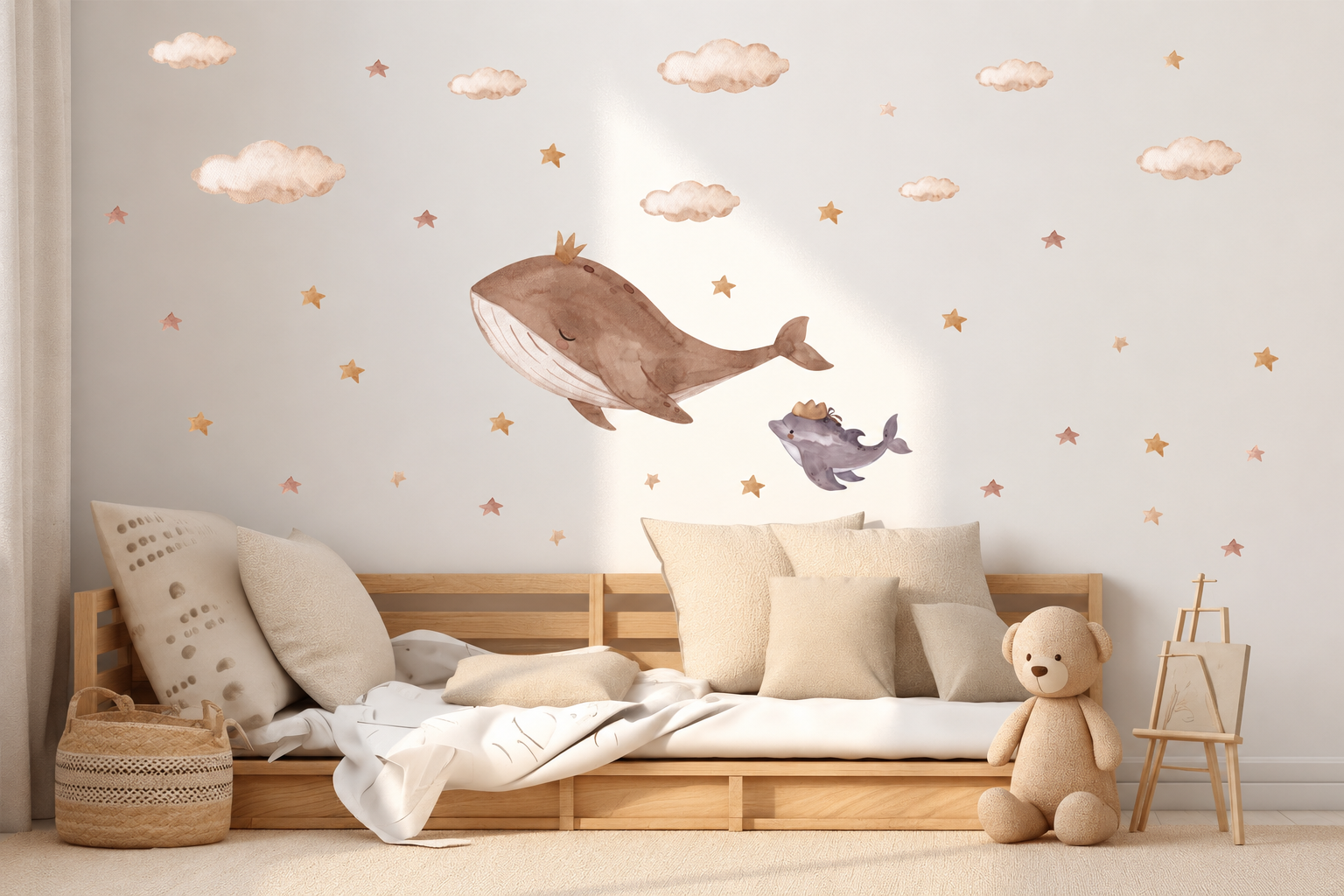
Gender neutral nursery wall decor represents the contemporary architectural standard for cultivating a psychologically balanced and visually serene environment for developing infants. By shifting away from heavily gendered, hyper-stimulating themes, parents and interior designers can prioritize authentic aesthetic longevity and cognitive restfulness. This comprehensive guide explores advanced color theory mechanics, structural spatial arrangement techniques, environmental material safety standards, and strategic framing methodologies. Ultimately, you will learn exactly how to construct an adaptable, sophisticated unisex space that supports both the child’s developmental milestones and the home’s overarching design language.
What is gender neutral nursery wall decor?
Gender neutral nursery wall decor is an architectural and aesthetic interior design methodology that entirely eliminates traditional gender-specific color palettes and commercial character motifs. It relies on balanced, nature-inspired visual elements to establish a highly adaptable, serene environment suitable for any developing child.
Fundamental characteristics include:
- Subdued, earth-toned and muted color palettes
- Minimalist, high-contrast, text-free illustrations
- Natural wood framing and organic room textures
- Abstract geometry and botanical shape integrations
Why psychological balance matters in unisex baby room decor
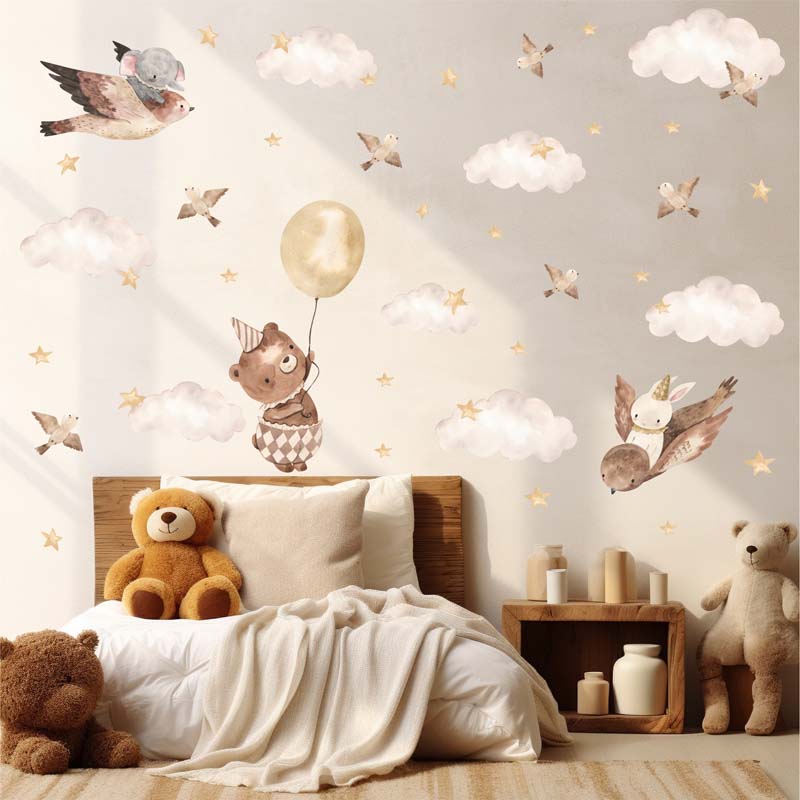
The visual environment directly influences the neurodevelopmental trajectory of an infant during their crucial first twenty-four months of life. Modern unisex baby room decor actively moves away from the archaic paradigm of high-saturation, high-chaos environments, pivoting instead toward scientifically backed sensory regulation. When a room is saturated with primary colors and frantic patterns, the infant’s visual cortex experiences continuous overstimulation, which clinical interior psychology associates with disrupted sleep cycles and elevated cortisol levels. A refined, balanced space provides a critical sanctuary, allowing the infant to process visual stimuli at a manageable, restorative pace while offering caregivers a legitimately relaxing atmosphere during late-night feedings.
Visual acuity stages and minimalist nursery art
Understanding the biological progression of infant eyesight is paramount when selecting appropriate visual anchors. At birth, an infant’s visual acuity ranges strictly between eight to twelve inches, and their color perception is limited strictly to high-contrast grayscale tonal variations. Minimalist nursery art excels in this developmental phase by offering clean, distinct lines and uncluttered compositions that the infant can actually register and track. As the retina matures over the subsequent three to six months, introducing subtle, desaturated hues through sophisticated artwork provides optimal, low-stress stimulation. Intricate, text-heavy posters fail to provide this benefit, as the developing brain cannot interpret typographic elements, rendering them visually chaotic rather than engaging.
Mitigating sensory overload through strategic design
Sensory overload occurs when the volume of environmental stimuli exceeds the central nervous system’s processing capacity. By implementing gender neutral nursery wall decor, designers establish a controlled visual hierarchy that deliberately guides the eye rather than overwhelming it. Negative space—the empty wall area surrounding framed pieces—is treated as an active design element rather than a void needing to be filled. Leaving substantial breathing room between art pieces prevents visual clustering, thereby reducing the cognitive load on both the child and the parent. This deliberate curation fosters an atmosphere of profound tranquility, fundamentally transforming the room from a mere sleeping quarter into a restorative architectural haven.
Selecting the foundation: Gender-neutral nursery colors and light
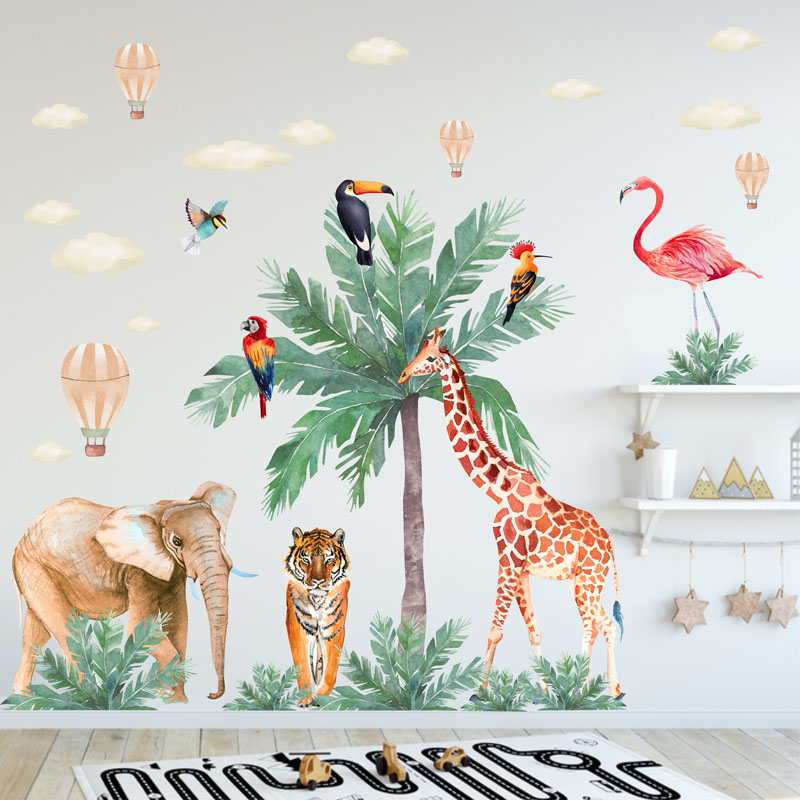
Establishing the foundational wall color dictates the entire atmospheric success of the room. Gender-neutral nursery colors rely heavily on biophilic design principles—the integration of nature-based elements into indoor environments—to evoke inherent biological responses of calmness and security. Moving away from the stark, clinical whites and cold grays of the previous decade, contemporary designers exclusively utilize complex, warm-undertone neutrals that interact dynamically with changing light conditions throughout the day. These sophisticated pigments possess varying Light Reflectance Values (LRV), which measure the percentage of light a paint color reflects, directly impacting the perceived expansiveness and thermal temperature of the space.
The critical role of Light Reflectance Value (LRV)
When selecting paint for the nursery, the LRV metric is non-negotiable for achieving a balanced aesthetic. Colors with an LRV above 80 can create harsh glare when exposed to direct southern sunlight, potentially agitating a resting infant. Conversely, an LRV below 40 absorbs too much light, creating a cavernous, oppressive environment. The optimal LRV range for a serene unisex space sits tightly between 55 and 70. This specific spectrum ensures the walls remain luminous and welcoming without becoming visually aggressive, providing the perfect matte backdrop that allows the subtle complexities of neutral nursery prints to emerge naturally.
Integrating earth tones and organic pigments
Organic pigments drawn from sedimentary rocks, clay, and native flora provide the most reliable palette for a timeless environment. These colors effortlessly bridge the gap between juvenile spaces and mature home aesthetics.
| Color Profile | Dominant Undertone | Recommended LRV | Atmospheric Effect |
| Muted Sage | Cool Grey / Yellow | 58 – 65 | Restorative, grounding |
| Warm Oat | Red / Yellow | 62 – 68 | Enveloping, secure |
| Terracotta | Red / Brown | 45 – 52 | Earthy, comforting |
| Desaturated Mustard | Yellow / Brown | 55 – 60 | Subtly stimulating |
When implementing these palettes, lighting temperature must be rigorously controlled. Lightbulbs emitting a color temperature between 2700K and 3000K (warm white) enhance these organic pigments flawlessly. Bulbs exceeding 4000K introduce severe blue-light wavelengths that distort earth tones, making warm oats appear sterile and rendering terracotta muddy, completely undermining the gender-neutral aesthetic intent.
Curating neutral nursery prints for spatial evolution
The artwork selected for a child’s room must possess the inherent capacity to evolve alongside their cognitive and emotional development. Neutral nursery prints offer an unprecedented return on investment by entirely bypassing the restrictive limitations of hyper-commercialized, age-specific themes. Instead of purchasing juvenile graphics that require replacement within thirty-six months, investing in sophisticated imagery guarantees a decade of stylistic relevance. This approach requires meticulous curation, focusing heavily on scale, proportion, and thematic ambiguity to ensure the gallery wall remains a cohesive focal point regardless of how the surrounding furniture transitions over time.
Botanical shapes and biophilic design
Human beings possess an innate, evolutionary affinity for the natural world, a concept scientifically defined as biophilia. Integrating botanical neutral nursery prints—such as detailed illustrations of eucalyptus foliage, minimalist fern silhouettes, or abstract landscapes—introduces essential organic geometry into the rigid, right-angled architecture of standard bedrooms. The human eye processes the color green with zero refractive adjustment, making it the most physiologically restful hue on the visible spectrum. By establishing a trio of botanical prints above a natural oak dresser, designers immediately anchor the room in a state of organic tranquility that resonates deeply with individuals of any age.
Abstract geometry and cognitive mapping
Abstract art serves as a brilliant catalyst for infant spatial awareness and cognitive mapping. Without relying on literal representations of animals or vehicles, geometric compositions utilize intersecting curves, arches, and varied proportions to stimulate the visual cortex. For instance, the premium collections curated by Dos Junior provide exceptional, text-free abstract designs that focus purely on compositional balance and muted color blocking. Because these pieces do not dictate a specific narrative, the child’s developing imagination is allowed to interpret the forms freely. This sophisticated aesthetic mirrors high-end adult gallery spaces, ensuring the nursery feels entirely integrated into the broader interior design language of the modern home.
Architectural integration of minimalist nursery art
Purchasing high-quality art is merely the initial phase; the precise architectural placement of these pieces dictates their ultimate visual impact. Gender neutral nursery wall decor must be scaled appropriately in relation to the surrounding furniture mass to prevent the space from feeling disproportionate or haphazardly assembled. A common spatial error involves hanging pieces too high, severing the visual connection between the artwork and the furniture it is meant to anchor. Establishing a cohesive visual flow requires strict adherence to interior architectural mathematics and a deep understanding of standard human sightlines.
Calculating gallery wall proportions
When positioning a set of prints above a primary furniture piece—such as a crib, changing table, or nursing chair—the total width of the artwork arrangement should span precisely two-thirds to three-quarters the width of the furniture below it. For example, if a changing table measures 48 inches wide, the gallery wall configuration positioned above it should measure approximately 32 to 36 inches in total width, including the spacing between frames. The negative space between individual frames within a cohesive set should remain strictly consistent, ideally measuring between two and three inches. This mathematical approach guarantees absolute visual symmetry and prevents the art from appearing either overwhelmingly massive or insignificantly minuscule.
Establishing the optimal vertical sightline
Traditional gallery hanging standards dictate that the center of an artwork should rest at approximately 57 to 60 inches from the floor, reflecting the average adult eye level. However, nurseries function as multi-tiered environments where caregivers frequently sit, and infants eventually crawl and stand. To accommodate this dynamic verticality, the baseline of the artwork should be anchored directly to the furniture piece it accompanies. The bottom edge of the frame should hover exactly eight to ten inches above the top surface of a dresser or changing table. This proximity ensures the art and the furniture read visually as a single, unified architectural unit rather than disconnected floating elements.
Material safety and framing protocols for gender neutral nursery wall decor
In any environment dedicated to child rearing, rigorous physical safety and environmental health standards must supersede all aesthetic preferences. Implementing gender neutral nursery wall decor involves introducing foreign materials into a highly sensitive, enclosed space. Without stringent oversight, framing materials and printing inks can introduce severe physical hazards and invisible chemical pollutants. Mastering the technical execution of secure installation and verifying the chemical composition of decor elements are non-negotiable responsibilities for anyone styling a modern nursery.
Mitigating volatile organic compounds (VOCs)
Indoor air quality within a nursery is frequently up to five times more polluted than outdoor air, largely due to the continuous off-gassing of Volatile Organic Compounds (VOCs) from synthetic furnishings and decor. Many mass-produced frames utilize medium-density fiberboard (MDF) bonded with formaldehyde-based resins, which slowly release toxic vapors into the ambient environment, irritating developing respiratory systems. To maintain absolute environmental safety, exclusively utilize solid, untreated natural woods—such as FSC-certified ash, white oak, or walnut. Additionally, verify that any canvases or neutral nursery prints are produced using water-based, GREENGUARD Gold certified inks, ensuring zero toxic emissions.
Structural installation over infant sleeping zones
Hanging any decor directly above a crib introduces inherent structural risks, particularly in regions susceptible to seismic activity or structural vibrations. The protocol for securing gender neutral nursery wall decor in these sensitive zones is absolute.
Follow these rigorous mechanical installation steps:
- Utilize a high-resolution electronic stud finder to locate the exact center of the vertical timber framing behind the drywall.
- Pre-drill pilot holes to prevent the wall studs from splintering, ensuring maximum thread engagement for the hardware.
- Install heavy-duty, steel wall anchors and screws that are explicitly load-rated for a minimum of 22 kilograms (50 pounds), far exceeding the actual weight of the art.
- Mandate the use of shatterproof acrylic glazing (plexiglass) within all frames; traditional silicate glass is strictly prohibited above sleeping areas.
- Apply industrial-grade, double-sided museum putty to the bottom corners of the frame, adhering them directly to the wall to completely neutralize swinging or lifting hazards.
By treating the installation process as a structural engineering task rather than a simple decorating chore, caregivers guarantee a fundamentally secure environment without compromising the overarching minimalist aesthetic.
The economic advantage of adaptable unisex baby room decor
Beyond the immediate psychological and aesthetic benefits, the strategic implementation of gender neutral nursery wall decor offers a profound, long-term economic advantage. The standard lifecycle of a highly themed, character-driven, gender-specific nursery rarely exceeds three years. As the child enters the toddler phase, their spatial requirements and personal preferences shift drastically, typically necessitating a complete, costly renovation involving new paint, new textiles, and entirely new wall fixtures. A meticulously planned, neutral-based room entirely bypasses this expensive cycle of obsolescence.
Maximizing return on design investment
When the foundational elements of the room—the earth-toned wall colors, the natural oak furniture, and the high-quality, shatterproof framing—are inherently neutral, transitioning the space requires minimal financial output. The architectural shell of the room remains entirely intact. Adapting the space to a growing child simply involves rotating the 10% accent pieces. A sophisticated abstract piece from the Dos Junior collection can seamlessly transition from a newborn’s tranquil sanctuary to a toddler’s refined playroom, and eventually into a stylish guest room, all while retaining its original gallery-quality frames. This modular, forward-thinking approach to interior styling transforms nursery decor from a temporary expense into a permanent, highly functional investment in the home’s overall real estate value.
Frequently asked questions
How do you transition gender neutral nursery wall decor as the child grows?
Transitioning involves retaining the foundational earth-toned walls and natural wood frames while exclusively updating the artwork. Swap out early infant-focused illustrations for mature abstract or educational prints, ensuring a seamless, cost-effective spatial evolution without requiring a complete room renovation or heavy financial investment.
Are neutral nursery prints more expensive than traditional themed art?
No. Premium prints generally share standard manufacturing pricing regardless of their aesthetic category. However, minimalist, gender-neutral designs provide a significantly higher return on investment because their aesthetic longevity prevents the need for frequent, costly redecorating cycles as the child rapidly ages and preferences change.
What frame colors work best with gender-neutral nursery colors?
Light natural woods, specifically birch, ash, and white oak, complement earthy color palettes exceptionally well by introducing organic warmth. For a defined, contemporary aesthetic, matte black metal frames offer sharp architectural contrast against muted sage or warm oat walls without disrupting the room’s innate tranquility.
Is it safe to hang heavy wall art directly above a baby crib?
No. Suspending heavy, glass-enclosed frames over a crib poses severe physical hazards. You must strictly utilize lightweight canvases or frames equipped with shatterproof acrylic glazing. Furthermore, frames must be anchored directly into wall studs using heavy-duty steel hardware and secured with museum putty.
Conclusion
Executing successful gender neutral nursery wall decor requires a rigorous, analytical balance of advanced color theory, precise spatial proportioning, and uncompromising structural safety protocols. By intentionally prioritizing warm earth tones, minimalist organic themes, and sustainable, non-toxic materials, interior designers and parents construct a profoundly serene sanctuary. This deliberate environment actively fosters healthy neurological infant development while maintaining long-term architectural relevance within the broader home. Investing in highly adaptable, premium visual elements guarantees that the space will evolve gracefully alongside the child for over a decade.
Explore the exclusive Dos Junior collection today to secure the perfect text-free, minimalist prints for your sophisticated space.