

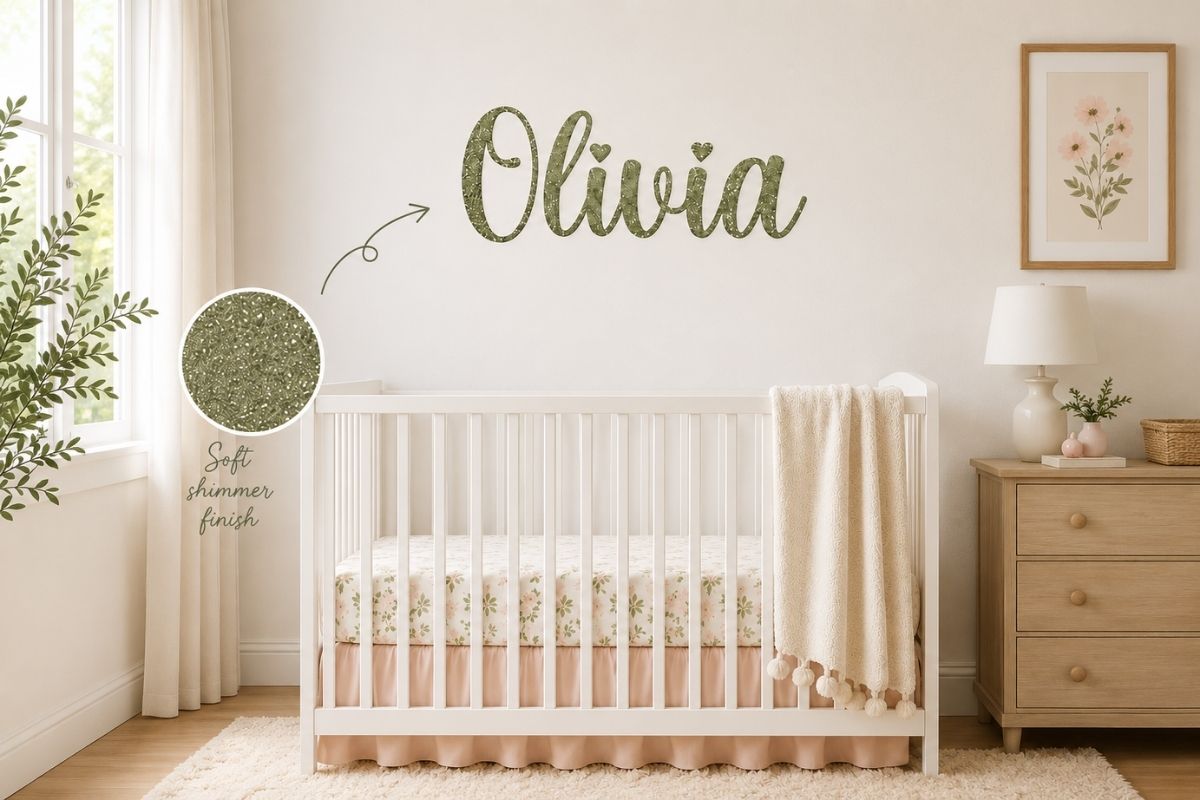
Custom wall decals offer the ultimate method to transform an infant’s room with incredibly unique, rigorously safe, and entirely removable artwork. This comprehensive guide explains exactly how to measure, customize, and properly install personalized wall decals without risking any damage to your drywall. By deliberately choosing advanced, non-toxic materials over traditional chemical-heavy paints, you actively protect infant respiratory health while simultaneously achieving a highly premium, magazine-quality interior design.
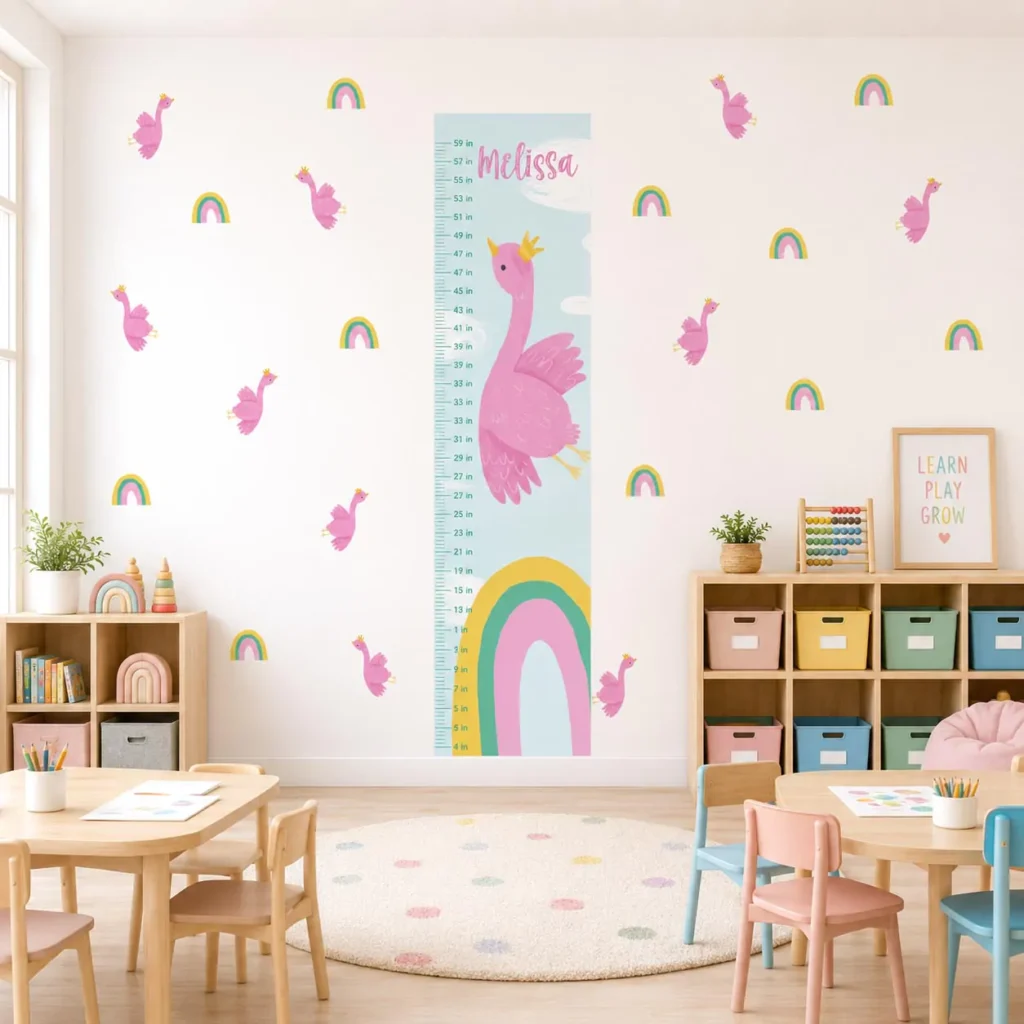
What is the Custom Decal Order Process?
Ordering custom wall decals involves a straightforward, highly precise three-phase procedure designed to guarantee perfect architectural fit and maximum indoor safety:
- Measurement: Calculating exact wall dimensions while accounting for crib placement and electrical outlets.
- Material Selection: Prioritizing premium, PVC-free fabric substrates to strictly prevent toxic off-gassing.
- Customization: Tailoring specific typography, exact color matching, and scale to fit the overarching nursery theme flawlessly.
The Rising Trend of Personalized Nursery Decor
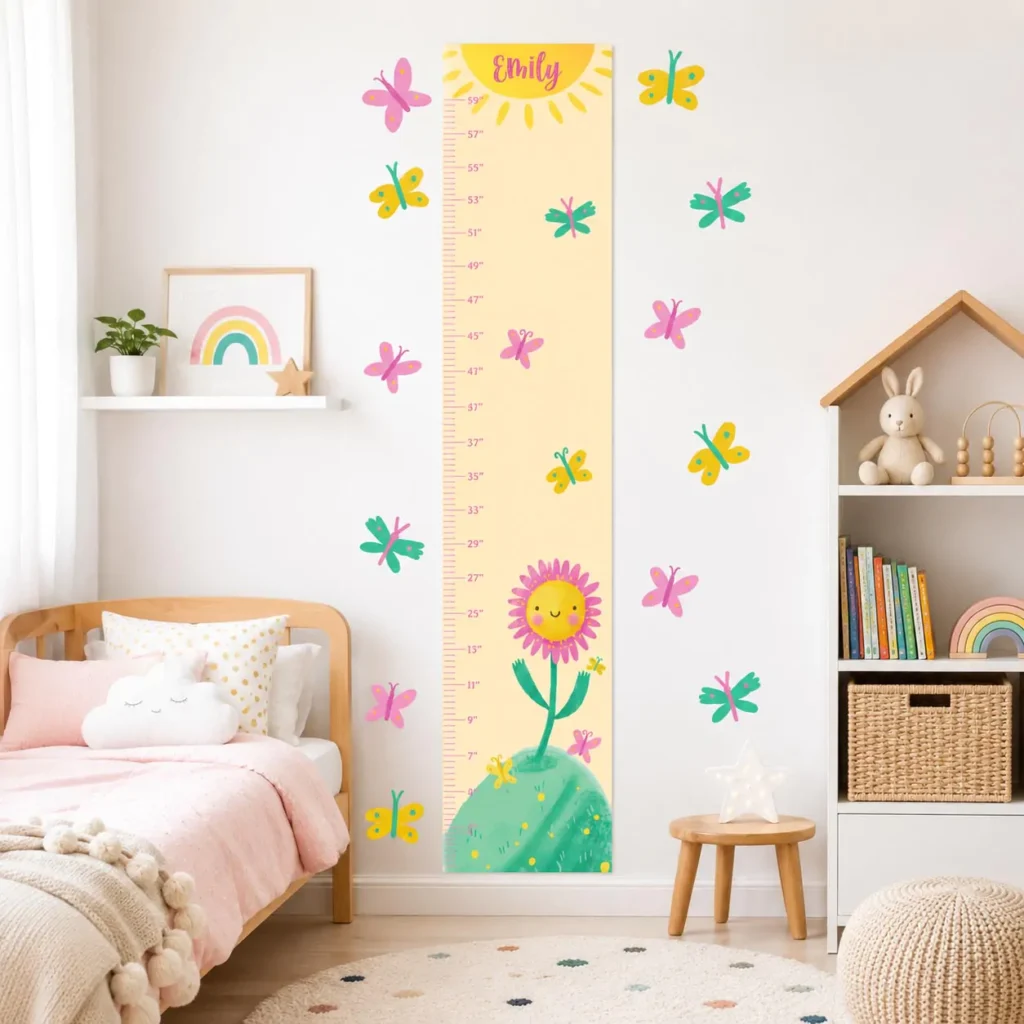
The modern approach to interior infant spaces has shifted drastically away from generic, mass-produced visual themes toward deeply individualized environments. Parents increasingly recognize that establishing a highly specific visual identity fosters a profound sense of warmth and intentionality within the home. Utilizing personalized wall decals bridges the significant gap between expensive, permanent custom murals and sterile, blank drywall. Introducing a child’s name or a bespoke illustration onto the primary accent wall creates an immediate, striking focal point that securely anchors the entire room’s architectural layout.
Beyond pure aesthetics, specific psychological and developmental benefits accompany personalized spaces. Early visual recognition of distinct shapes, contrasting colors, and eventually, the structural letters of their own name, provides vital, gentle cognitive stimulation for developing infants. Furthermore, this specific decorative approach eliminates the overwhelming financial burden of commissioning professional artists. High-quality adhesive graphics allow families to achieve that exact bespoke, hand-painted aesthetic at a fraction of the cost, maintaining total control over the design’s scale, precise color palette, and ultimate positioning within the room.
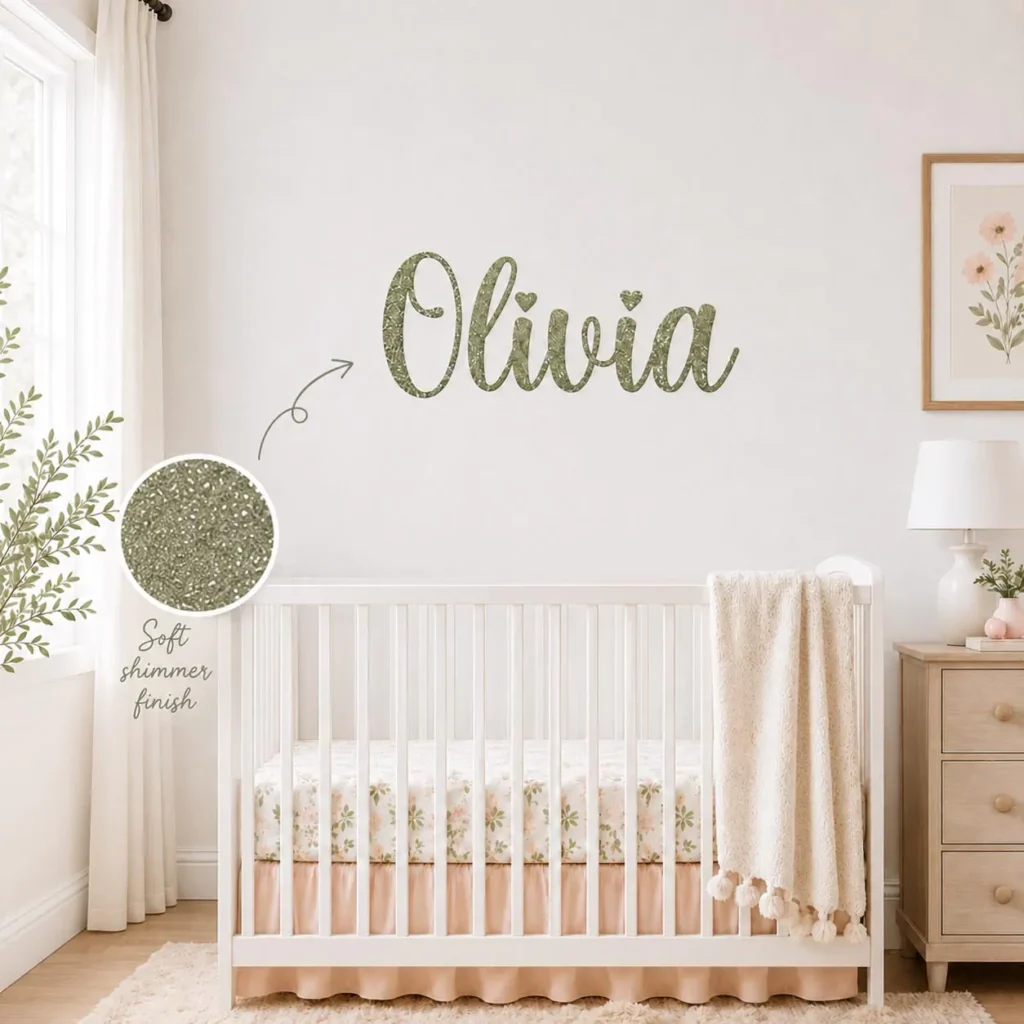
Material Selection: Vinyl vs. PVC-Free Fabric
The most critical decision in your entire purchasing journey is identifying exactly which substrate will occupy your infant’s breathing space. When rigorously analyzing which is better for baby rooms vinyl or fabric custom decals, parents must look beyond mere visual appeal and heavily evaluate chemical composition and indoor air quality metrics.
| Feature | Custom Vinyl Wall Decals | PVC-Free Fabric Decals |
| Chemical Composition | Contains Polyvinyl Chloride (PVC) | Woven polyester or organic blends |
| Indoor Air Quality Risk | High (Emits VOCs / Off-gassing) | Zero (Non-toxic, safe for infants) |
| Texture and Finish | Glossy, highly reflective plastic | Matte, natural canvas-like texture |
| Durability & Reusability | Tears easily, shrinks over time | Highly durable, stretch-resistant |
| Removal Process | Leaves sticky residue, peels paint | Clean release, perfectly rental-safe |
Historically, the market was entirely dominated by custom vinyl wall decals. While highly inexpensive to manufacture, traditional vinyl relies heavily on plasticizers and chemical solvents that continuously release Volatile Organic Compounds (VOCs) into the immediate environment—a process scientifically known as off-gassing. According to strict indoor air quality standards, exposing developing infant lungs to these specific airborne chemicals poses unnecessary respiratory risks. Furthermore, standard vinyl physically shrinks as room temperatures fluctuate, causing edges to curl aggressively and ultimately peel away from the drywall.
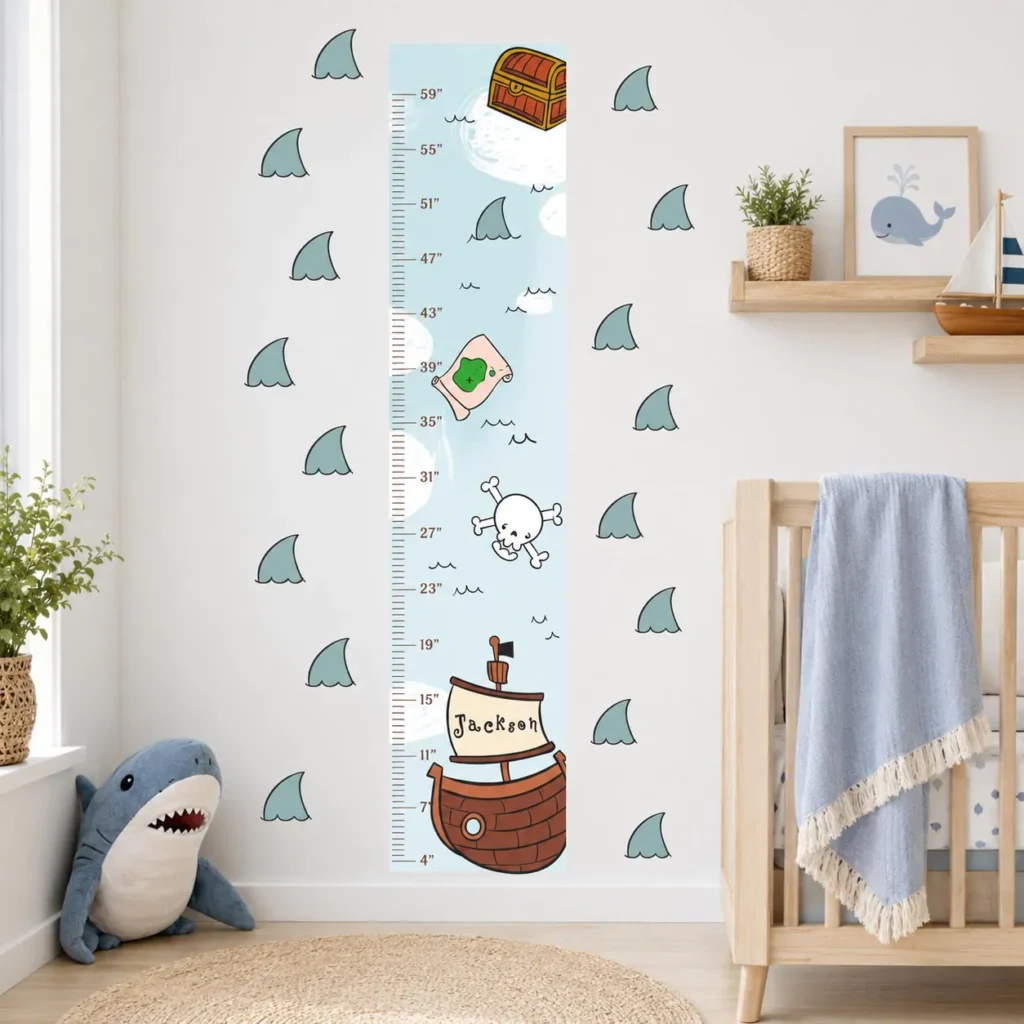
In stark contrast, modern interior design strongly advocates for advanced PVC-free fabric alternatives. Brands like Dos Junior exclusively utilize premium, woven fabric substrates that contain absolutely zero toxic compounds, ensuring immediate safety upon installation without requiring days of hazardous ventilation. Fabric materials also absorb natural light rather than reflecting it harshly, providing a deeply sophisticated, matte finish that remarkably mimics authentic watercolor painting. This structural integrity guarantees that the graphics will never stretch, tear, or lose their dimensional stability, making them the functionally and medically superior choice for residential nurseries.
How to Accurately Measure Your Nursery Space
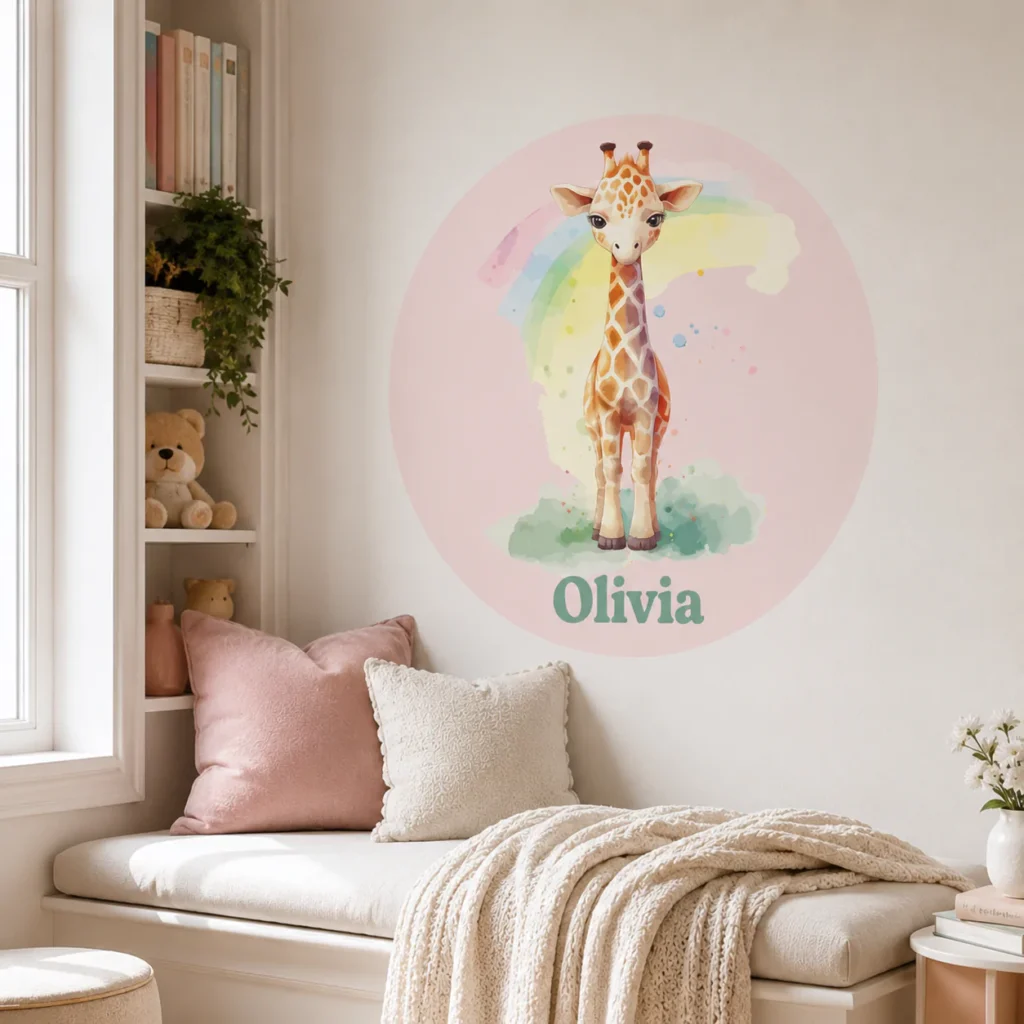
Precision is paramount before initiating any online transaction. Failing to calculate precise dimensions frequently results in graphics that either overwhelm the room visually or look awkwardly diminutive against expansive architectural walls. Begin by utilizing a standard steel measuring tape—never a flexible cloth tape, which inevitably stretches and causes critical mathematical errors. Measure the absolute total width and total height of the designated accent wall, immediately noting the exact locations of permanent obstacles such as electrical outlets, structural window frames, and heavy baseboards.
When figuring out where to buy custom size wall decals online safely, having these exact mathematical figures ensures the e-commerce platform can provide an accurate digital proof. If positioning the graphic directly above a convertible crib, strict spatial rules apply. Official consumer safety guidelines mandate that no decorative object should physically touch the crib’s structural frame. Ensure the lowest edge of the graphic begins at least 10 to 15 inches above the highest point of the mattress to prevent curious toddlers from picking at the adhesive edges. Additionally, consider the room’s Light Reflectance Value (LRV); if the wall receives minimal natural sunlight, ensure your measured space can accommodate a larger, lighter-colored graphic to naturally brighten the immediate area.
Design Your Own Wall Decal in 3 Easy Steps
Navigating the digital customization process is incredibly intuitive when leveraging modern, sophisticated e-commerce platforms. If you are actively looking to design your own wall decal, follow this streamlined, three-phase operational workflow to guarantee spectacular physical results.
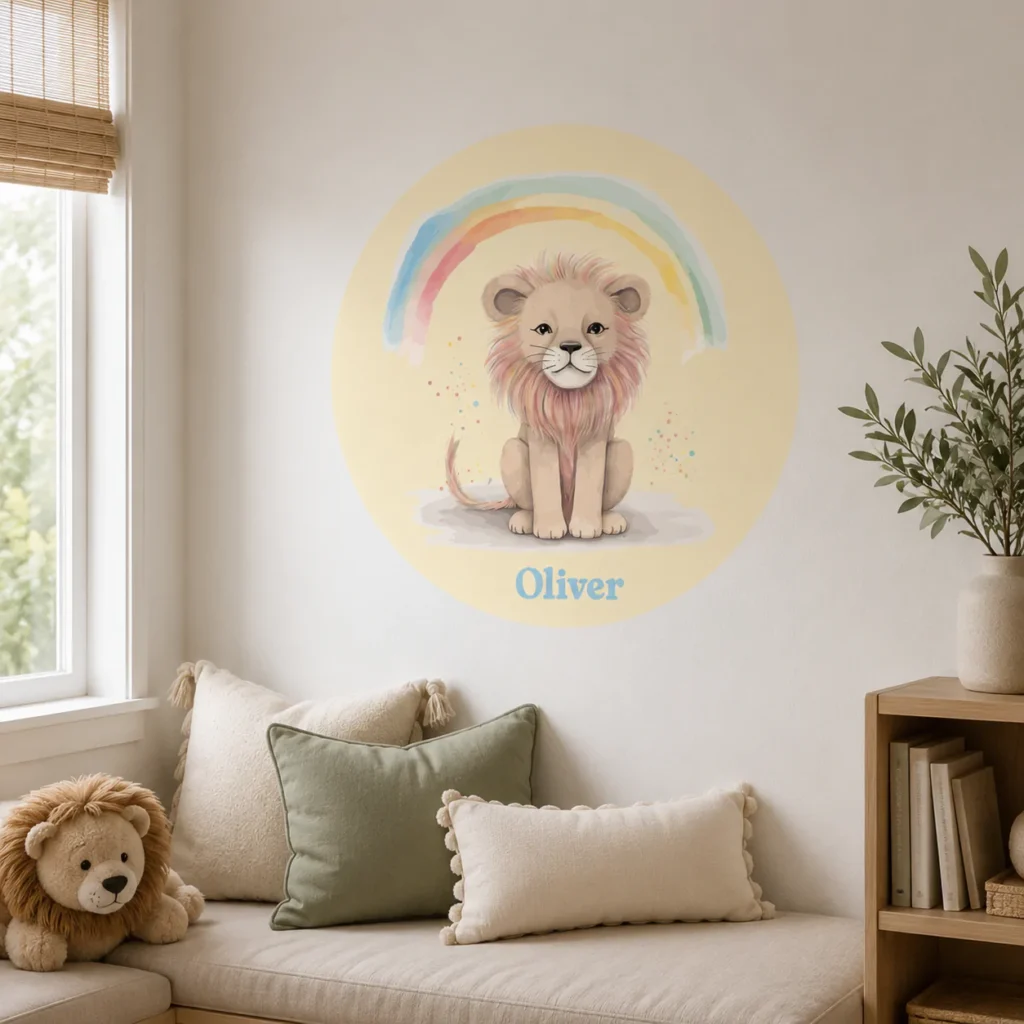
Step 1: Selecting the Base Theme and Exact Dimensions
Begin by choosing the foundational artistic motif—whether that involves elegant, sweeping botanical vines, minimalist geometric shapes, or classic typography. Once the primary visual is selected, input the rigorous measurements obtained in the previous phase. Premium retailers provide dedicated sizing charts that visually demonstrate how a 40-inch graphic compares physically to a standard 60-inch crib, eliminating spatial guesswork entirely.
Step 2: Calibrating Typography and Color Palettes
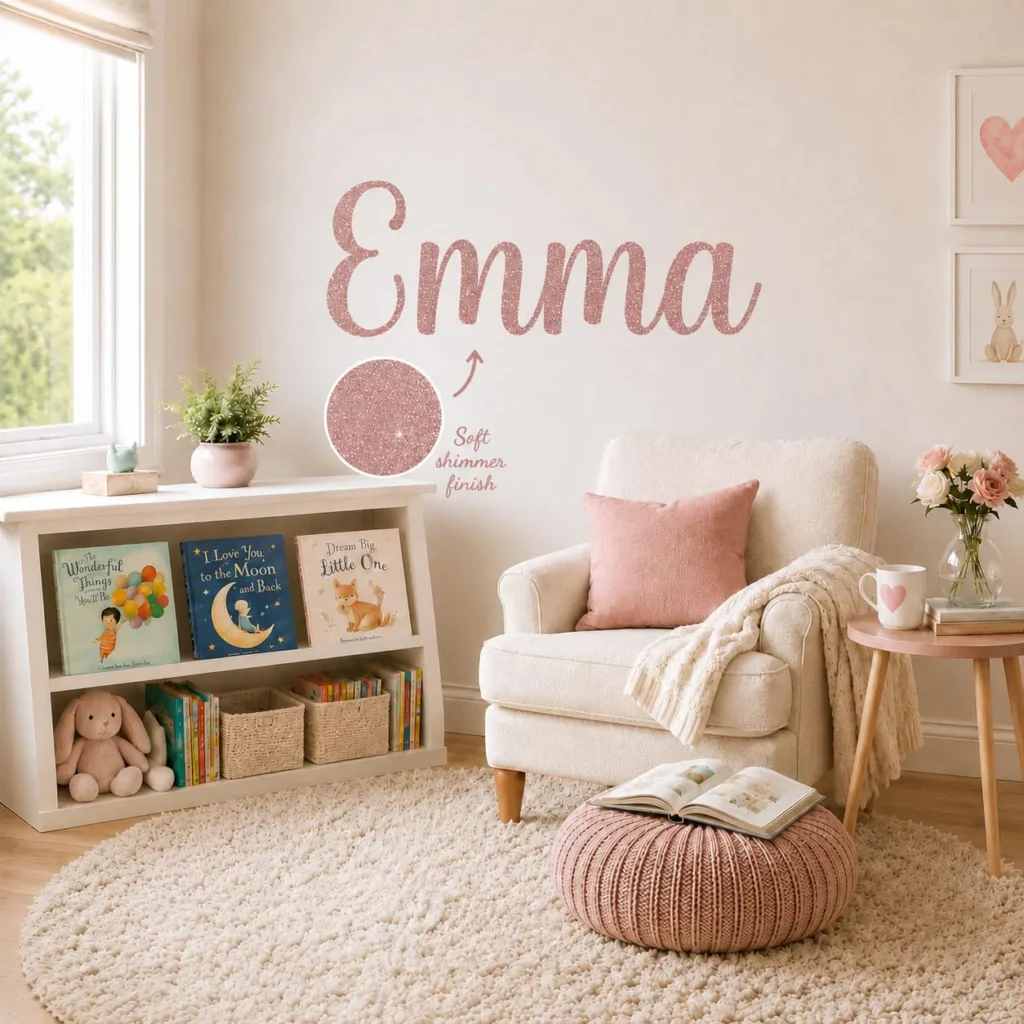
The secondary phase involves deep personalization. When inputting a specific name or chosen quote, closely examine the available typography. Script fonts provide a flowing, highly traditional elegance, while bold serif fonts offer a strong, contemporary, and distinctly modern edge. Next, calibrate the specific color palette to perfectly match your existing textiles. Ensure you account for monitor color calibration; selecting muted, earthy tones like sage green or warm terracotta generally ensures the printed product beautifully complements natural wood nursery furniture.
Step 3: Reviewing the Digital Proof and Finalizing Production
Never finalize a transaction without rigorously inspecting a digital proof. This provided image allows you to verify exact spelling, precise proportional scaling, and color distribution before the physical ink ever hits the fabric. Once entirely approved, the manufacturer utilizes advanced contour cutting technology to slice precisely around the artwork’s exact edges, eliminating any ugly, transparent borders and preparing the order for safe, protective tube shipping.
Exploring Advanced Personalization Options
The scope of modern customization extends significantly beyond simply typing a child’s first name. Advanced manufacturing techniques allow parents to curate incredibly complex, multi-layered visual narratives that dynamically interact with the room’s physical architecture. For example, parents can order towering, life-sized floral arrangements that physically appear to grow upward from the actual baseboards, or cascading celestial starry skies that begin on the ceiling and gracefully trail down the primary accent wall.
This level of customization is particularly invaluable when managing shared architectural spaces. Discovering affordable custom name wall decals for twin nurseries allows parents to establish distinct, highly individualized zones within a single, cohesive room without commissioning expensive custom carpentry. By utilizing the exact same overarching artistic theme—such as a woodland forest—but personalizing the specific animals or individual name colors above each respective crib, the room maintains vital aesthetic harmony while successfully celebrating each child’s unique identity. This strategic design approach maximizes both visual impact and strict financial efficiency.
Expert Application Tips for a Flawless Finish
Successfully transferring the manufactured product from its protective backing paper directly to your drywall requires meticulous preparation and proper mechanical technique. Understanding exactly how to apply large custom wall decals without bubbles separates amateur, frustrating installations from flawless, professional-grade visual outcomes. The absolute most critical foundational step involves microscopic surface preparation. Drywall must be meticulously wiped down using a slightly damp, lint-free microfiber cloth to remove invisible atmospheric dust and microscopic grease particles that actively repel adhesive polymers.
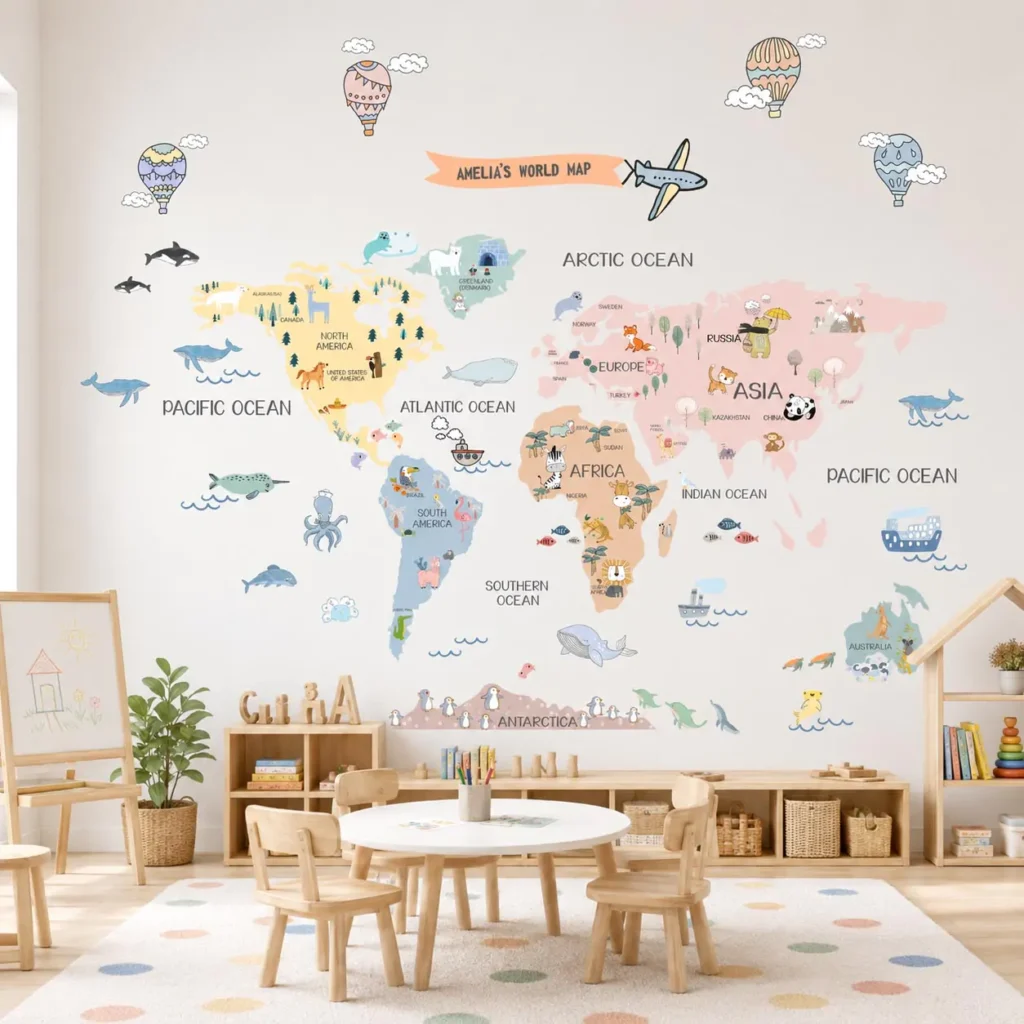
Allow the cleaned wall to air dry completely for at least 24 hours. If the room has been recently painted, you must strictly adhere to the paint manufacturer’s required curing time—typically 30 days. Applying graphics to paint that is merely dry to the touch, but not chemically cured beneath the surface, will trap releasing gasses and cause immediate, massive bubbling. Once the surface is fully prepared, unroll the shipping tube and let the graphic lay entirely flat on the floor in a climate-controlled room for 12 hours. This crucial acclimation period relaxes the fabric’s physical memory, preventing it from curling backward during the installation process.
During actual application, always utilize the “hinge method.” Secure the top edge of the graphic to the wall using standard painter’s tape. Slowly peel the rigid backing paper downward in small, six-inch sections. As you expose the adhesive, use a flexible felt-edged squeegee—or a standard credit card wrapped tightly in a soft cloth—to push the fabric firmly against the wall. Always push forcefully from the exact center of the graphic outward toward the extreme edges. This mechanical action actively forces trapped air out before the adhesive fully bonds, guaranteeing a perfectly smooth, bubble-free, and highly durable finish.
Safe Removal and Repositioning Strategies
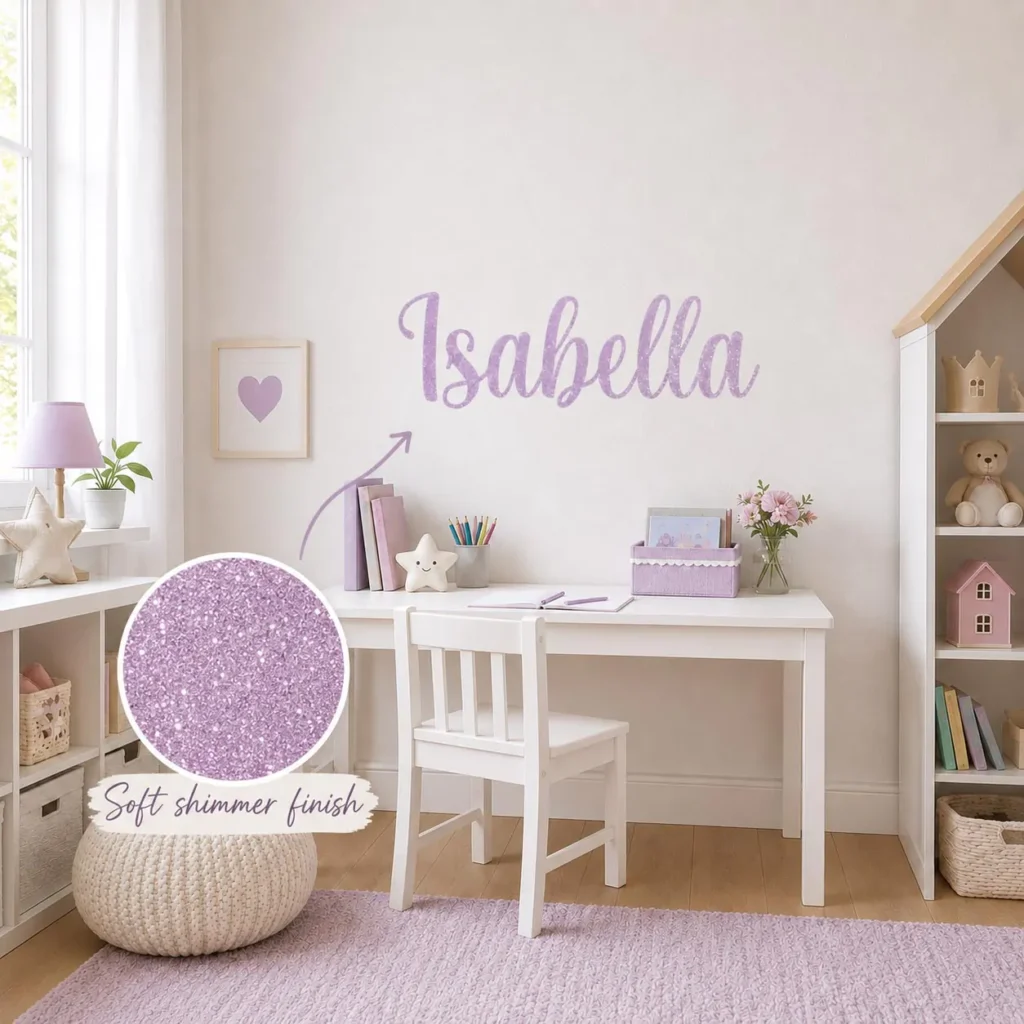
One of the most significant advantages of utilizing premium fabric substrates is their extraordinary flexibility regarding relocation and final removal. Understanding how to order removable custom wall decals for renters completely transforms the decorating experience for those navigating strict residential lease agreements. Property management companies routinely penalize tenants for utilizing heavy steel anchors, driving nails, or applying traditional chemical wallpapers that irreversibly damage the underlying drywall.
Advanced PVC-free fabric graphics utilize proprietary, low-tack acrylic adhesives. Unlike standard glues that harden, crystallize, and chemically fuse with the wall’s paint over the years, these modern adhesives remain permanently pliable. When the time inevitably comes to move to a new home, or simply transition the room from a nursery to a toddler space, the removal process is entirely frictionless. Begin at a top corner and pull the fabric downward at a sharp, 45-degree angle, maintaining slow, consistent, and even physical pressure.
Because the structural integrity of the woven fabric prevents it from stretching or violently snapping, it releases entirely cleanly, leaving absolutely zero sticky chemical residue behind. This allows renters to fully reclaim their security deposits without spending hours aggressively scrubbing the walls with harsh chemical solvents or repainting entirely. Furthermore, because the adhesive remains active, many premium fabric graphics can actually be carefully placed back onto their original waxy backing paper, tightly rolled, and successfully repositioned in a brand-new architectural location.
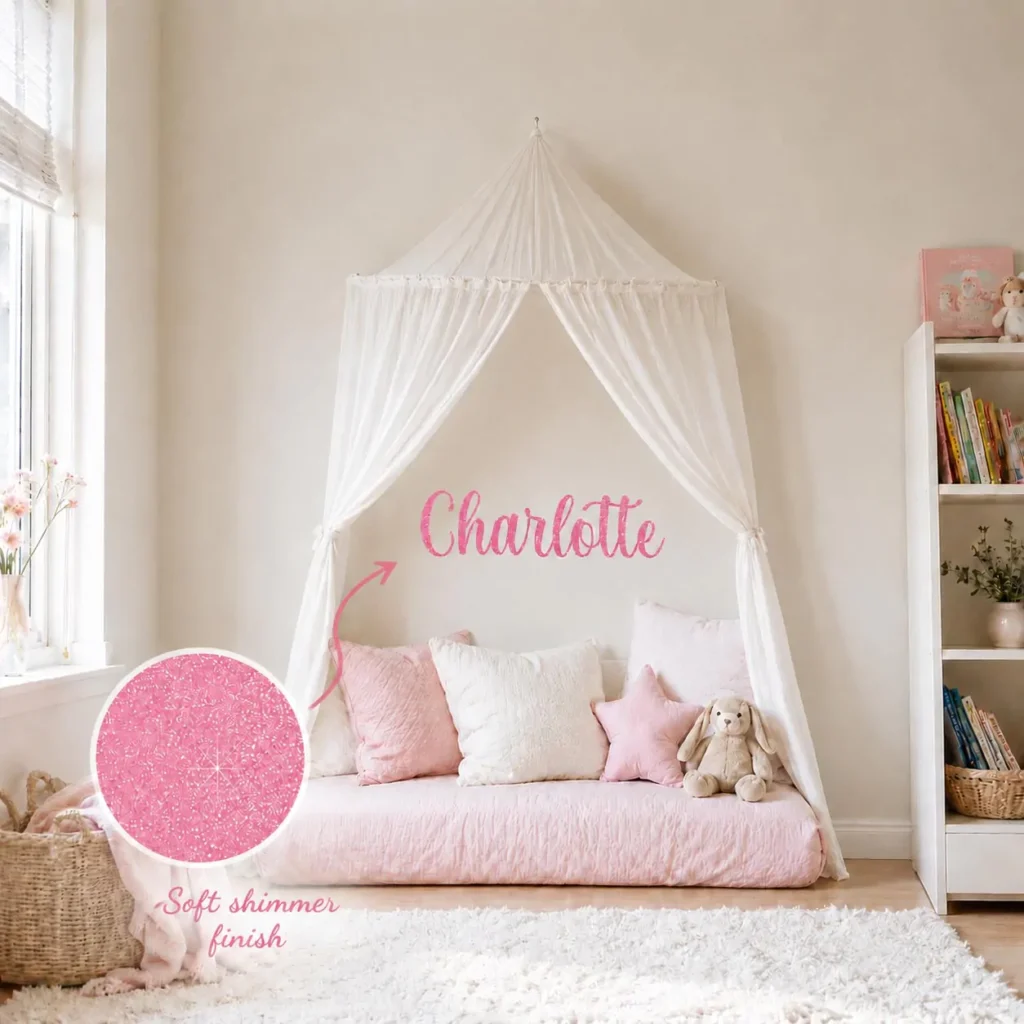
Ensuring Long-Term Durability and Maintenance
Protecting your financial investment requires understanding the basic physics of indoor environmental control. While high-quality fabric graphics are engineered for extreme residential durability, specific environmental factors can accelerate their physical degradation. Direct, intense, and unfiltered UV sunlight constitutes the primary threat to pigment longevity. Prolonged daily exposure to harsh solar radiation will eventually fade even the highest-quality, eco-friendly printing inks.
To significantly extend the lifespan of the artwork, ensure the nursery is equipped with functional UV-blocking window treatments or standard blackout curtains, which are already highly recommended for establishing healthy infant sleep cycles. Additionally, maintaining a consistent, stable indoor climate is vital. Extreme, rapid fluctuations in ambient room temperature or excessive indoor humidity—often caused by running high-output humidifiers directly adjacent to the wall—can temporarily weaken the acrylic adhesive bond. Always position heavily active vaporizers on the opposite side of the room.
Regarding physical maintenance, premium fabric materials require incredibly minimal intervention. Because the matte surface naturally resists static electricity, it does not actively attract heavy airborne dust like glossy plastic alternatives. If a minor smudge or accidental fingerprint occurs, simply dab the specific area gently with a dry, clean microfiber cloth. Never introduce harsh liquid chemical cleaners, abrasive scrubbing sponges, or heavy amounts of water to the fabric, as these will aggressively strip the protective printed pigments and permanently compromise the underlying adhesive structure.
Frequently Asked Questions
How to make custom wall decals?
Making them requires specialized equipment. The process involves designing vector artwork digitally, selecting high-quality PVC-free fabric, and utilizing wide-format commercial printers with eco-solvent inks. Finally, a precision contour cutting machine slices the exact shape. For guaranteed safety and quality, parents should utilize professional manufacturing services rather than attempting DIY printing.
Are wall decals safe for freshly painted rooms?
No, applying graphics immediately after painting guarantees failure. While paint feels dry within hours, it requires approximately 30 days to chemically cure underneath. If applied too early, the paint will continue off-gassing trapped moisture, which inevitably causes the adhesive to bubble severely and peel away from the drywall entirely.
Can you reposition a decal after applying it?
Yes, but this strictly depends on the material. High-quality, PVC-free fabric graphics utilize specialized low-tack adhesives that allow for multiple repositioning attempts without losing tackiness or stretching out of shape. Traditional plastics, however, stretch and deform immediately upon pulling, making them impossible to successfully reposition once applied.
How long do custom decals last on drywall?
When properly applied to a clean, fully cured surface in a climate-controlled room, premium fabric graphics can easily last 5 to 10 years without peeling or fading. Avoiding direct, intense UV sunlight and keeping high-output humidifiers away from the immediate area significantly maximizes their overall lifespan and visual vibrancy.
Conclusion
Ultimately, mastering the order process empowers you to dramatically elevate your home’s interior with complete confidence and precise control. By meticulously prioritizing accurate architectural measurements, insisting on safe, PVC-free fabric materials, and utilizing proper squeegee application techniques, you guarantee a flawless, deeply personalized result. Remember that investing in custom wall decals for nursery environments is an investment in both stunning aesthetics and rigorous indoor health standards. Avoid toxic plastics, embrace clean, adaptable design, and watch your creative vision seamlessly come to life. Ready to build a breathtaking, completely safe room for your little one? Begin the simple design process today and craft a space that beautifully tells their unique story.