

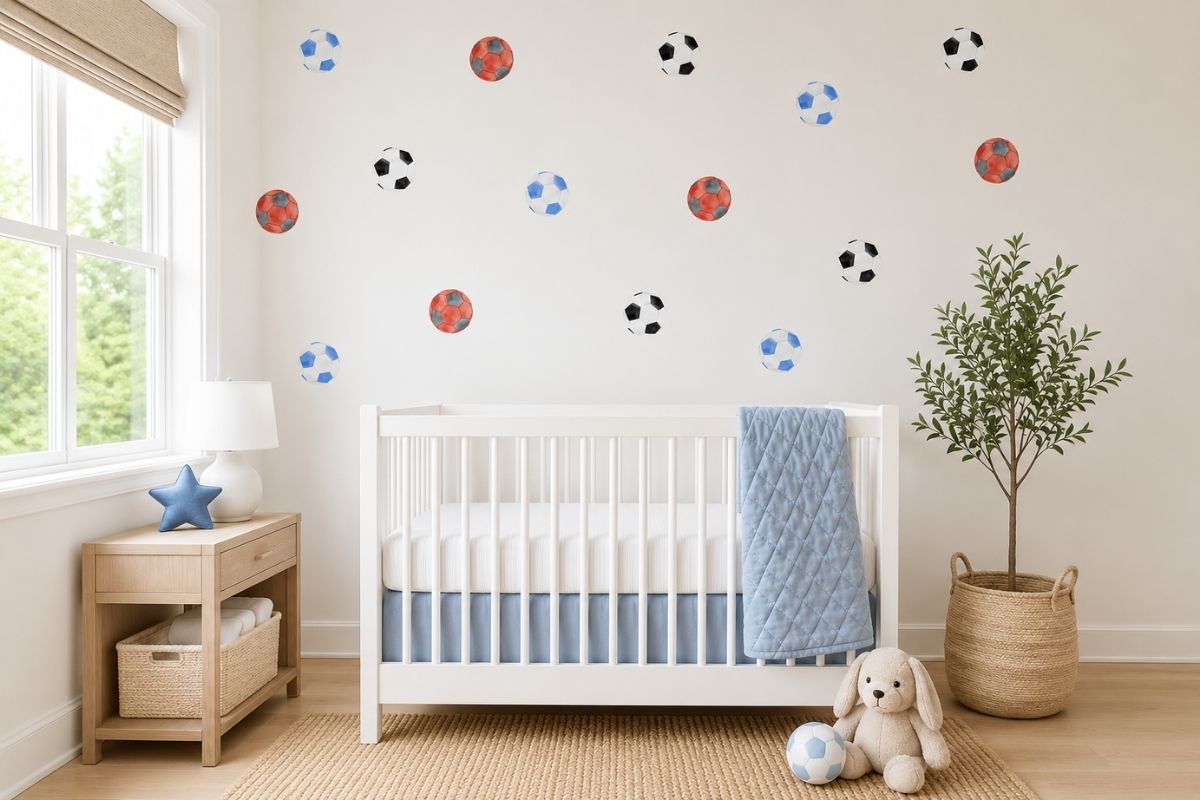
The most effective baby boy nursery ideas combine soothing neutral color palettes, space-saving furniture layouts, and realistic, minimalist decorative accents to create a functional yet peaceful environment. Designing the perfect space for your newborn requires balancing aesthetic appeal with daily practicality. Whether working with a compact footprint or a spacious room, prioritizing high-quality materials and adaptable themes ensures the environment grows alongside your child. In this comprehensive guide, you will learn how to master modern color coordination, optimize small spaces with smart furniture, select safe fabric wall decals, and implement the most anticipated design trends of the year.
What are baby boy nursery ideas?
Baby boy nursery ideas are curated interior design concepts that integrate functional infant furniture, soothing color palettes, and safe decorative elements to establish a nurturing, developmental environment.
- Opt for neutral and sage green foundations.
- Maximize vertical space in small rooms.
- Incorporate text-free, realistic animal themes.
- Utilize breathable fabric wall decor.
How Do You Design a Neutral Baby Boy Nursery?
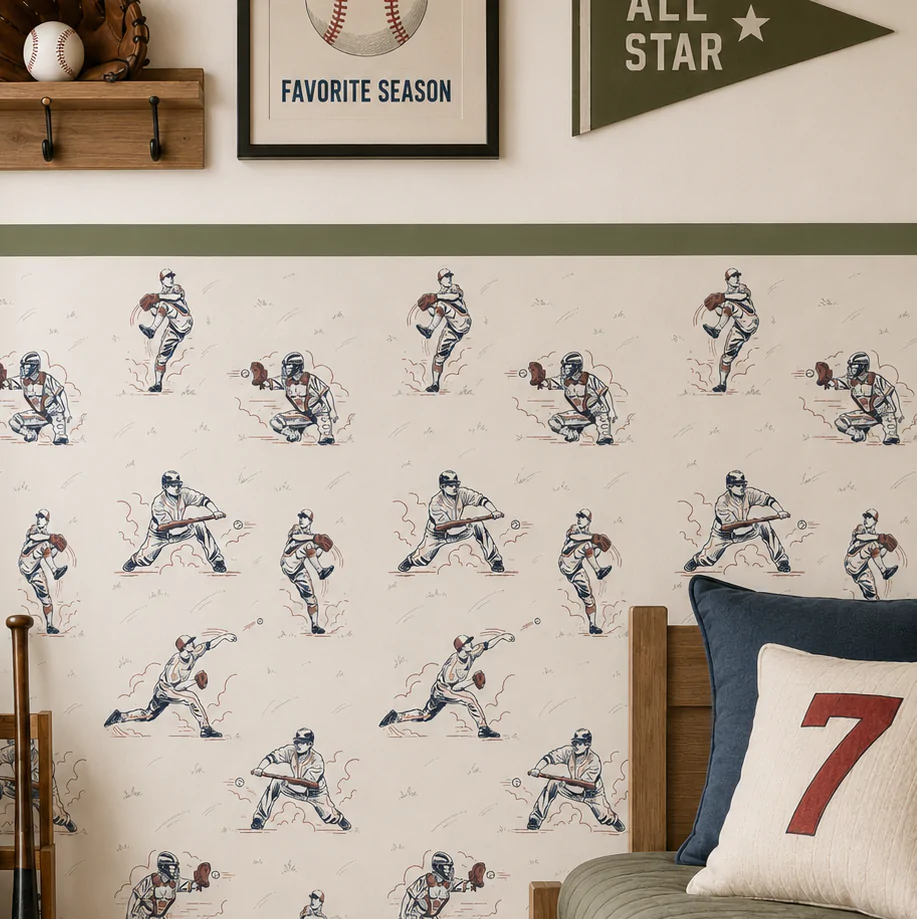
Creating a neutral nursery goes far beyond simply painting the walls beige or white. The most sophisticated baby boy nursery ideas in 2026 focus on layering textures, utilizing organic materials, and establishing a serene atmosphere that prevents sensory overload. Traditional nurseries often relied on highly saturated primary colors, but contemporary interior design strongly favors earthy, gender-neutral tones. This approach not only provides a calming sanctuary for the infant but also creates a seamless visual transition with the rest of a modern home.
The Psychology Behind Earth Tones and Sensory Development
The colors surrounding an infant significantly influence their visual and cognitive development during the first year of life. Highly contrasting, bright colors can sometimes overstimulate a newborn, leading to restlessness and disrupted sleep patterns. Conversely, earth tones such as warm taupe, soft greige, and muted terracotta promote a profound sense of tranquility. Research in environmental psychology suggests that rooms utilizing a Light Reflectance Value (LRV) between 50 and 60 provide the optimal balance of brightness and visual comfort. These neutral shades mimic the natural environment, naturally regulating the room’s energy. By establishing a neutral foundation, parents can easily introduce subtle pops of color later through interchangeable accessories, bedding, and carefully selected artwork.
Integrating Fabric Accents for a Soft, Minimalist Aesthetic
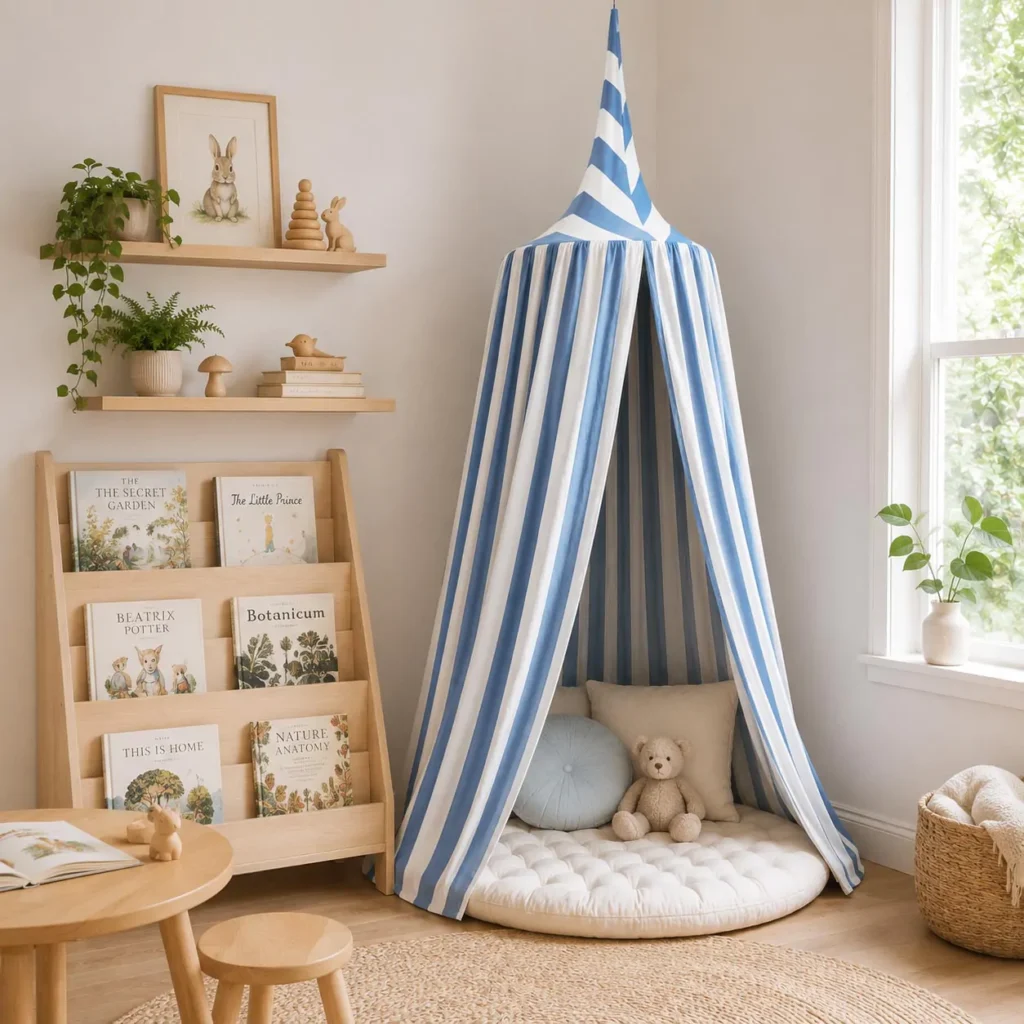
A truly exceptional neutral room relies heavily on texture rather than just color to generate visual interest. Hard surfaces and rigid plastic decorations can make a space feel cold and sterile. To counteract this, modern designers incorporate soft, organic elements throughout the room. Using high-quality fabric wall decals instead of traditional vinyl stickers introduces a premium, matte finish that absorbs light rather than reflecting it. For brands like dosjunior, the focus is entirely on providing realistic, text-free designs that elevate the room’s sophistication without feeling overly cartoonish. These fabric elements blend seamlessly into the neutral background, offering a tactile warmth that traditional wallpaper simply cannot replicate. Furthermore, opting for sustainable textiles ensures better indoor air quality by minimizing Volatile Organic Compounds (VOCs).
What Are the Top Themes for Small Room Layouts?
Urban living often dictates that the nursery occupies the smallest bedroom in the house. However, limited square footage does not mean sacrificing style or functionality. Implementing intelligent spatial planning is a cornerstone of the best baby boy nursery ideas. The key to mastering a small nursery lies in the “work triangle” concept, a design principle borrowed from kitchen architecture. The crib, the changing station, and the nursing chair must form an unobstructed triangle to ensure maximum efficiency during late-night awakenings.
Space-Saving Minimalist Furniture Strategies
When dealing with compact dimensions, bulky furniture is the primary enemy of good design. The most effective strategy involves selecting multifunctional, minimalist pieces. A standard crib measures approximately 28 by 52 inches, demanding a significant portion of the floor plan. To maximize utility, choose a dresser that strictly doubles as a changing table by securing a contoured changing pad to the top surface.
| Furniture Piece | Traditional Approach | Small Room Strategy |
| Changing Station | Standalone changing table | Dresser with a topper |
| Storage | Large open bookcases | Under-crib rolling drawers |
| Seating | Oversized reclining glider | Slim-profile rocking chair |
This eliminates the need for two separate, space-consuming items. Furthermore, furniture with exposed legs creates an illusion of more floor space by allowing light to pass underneath. Avoid heavy, skirted furniture that visually anchors and shrinks the room.
Leveraging Vertical Wall Space with Realistic Decor
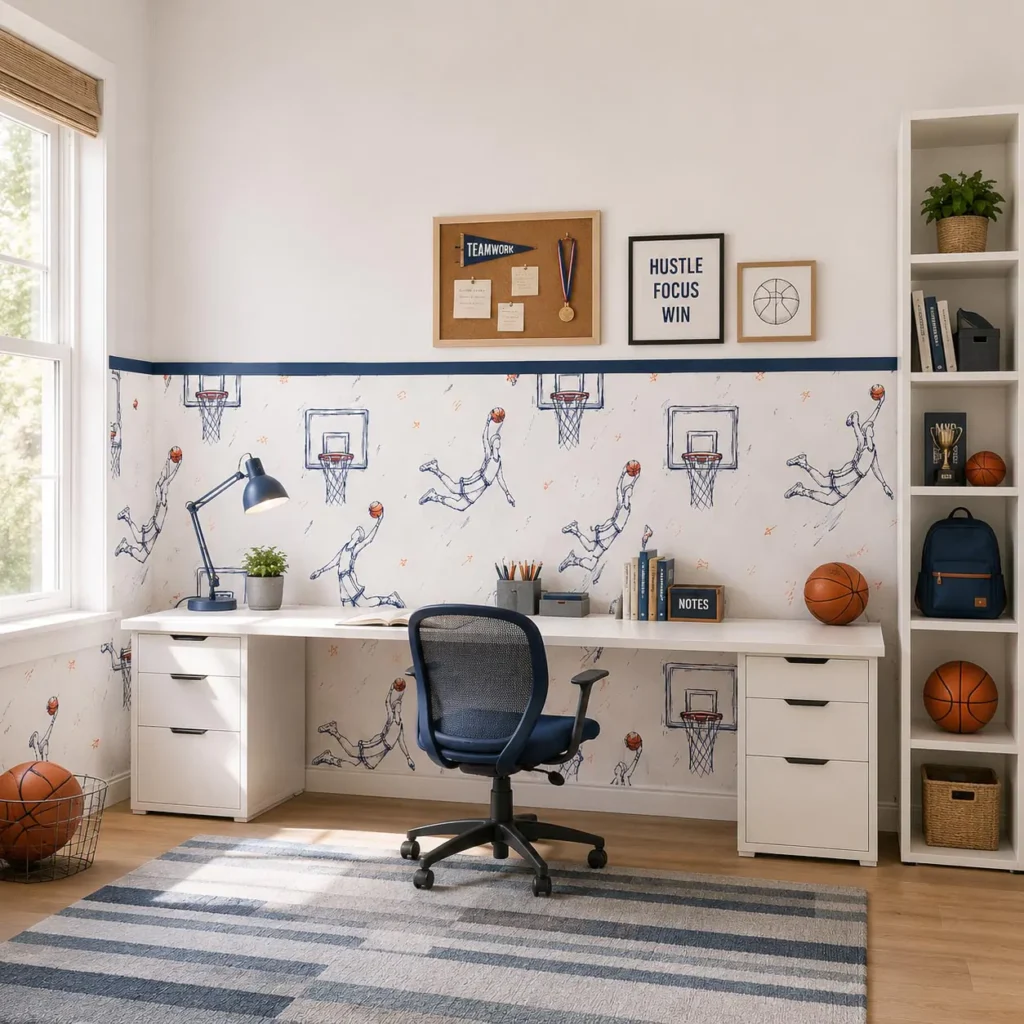
When floor space is severely limited, the walls become the most valuable real estate in the nursery. Vertical storage solutions, such as floating shelves installed at varying heights, draw the eye upward and make the ceiling appear higher. These shelves can house essential items like monitors and sound machines, keeping them safely out of reach while freeing up surface area. For decoration, bulky framed artwork can intrude into the physical space and pose a safety risk if hung above the crib. Instead, utilizing premium fabric wall decals provides maximum visual impact with zero physical footprint. By choosing realistic, minimalist animal or nature designs, parents can create a stunning visual focal point that does not clutter the limited spatial volume.
How to Incorporate Hot Air Balloon and Animal Concepts?
Themed nurseries have evolved significantly over the past decade. The contemporary approach favors subtle, elevated interpretations of classic motifs rather than overwhelming, floor-to-ceiling thematic immersion. The hot air balloon and zoo animal concepts consistently rank among the most sought-after baby boy nursery ideas. However, the execution in 2026 leans heavily toward vintage, realistic, and highly artistic representations.
Styling a Modern Safari or Zoo Environment
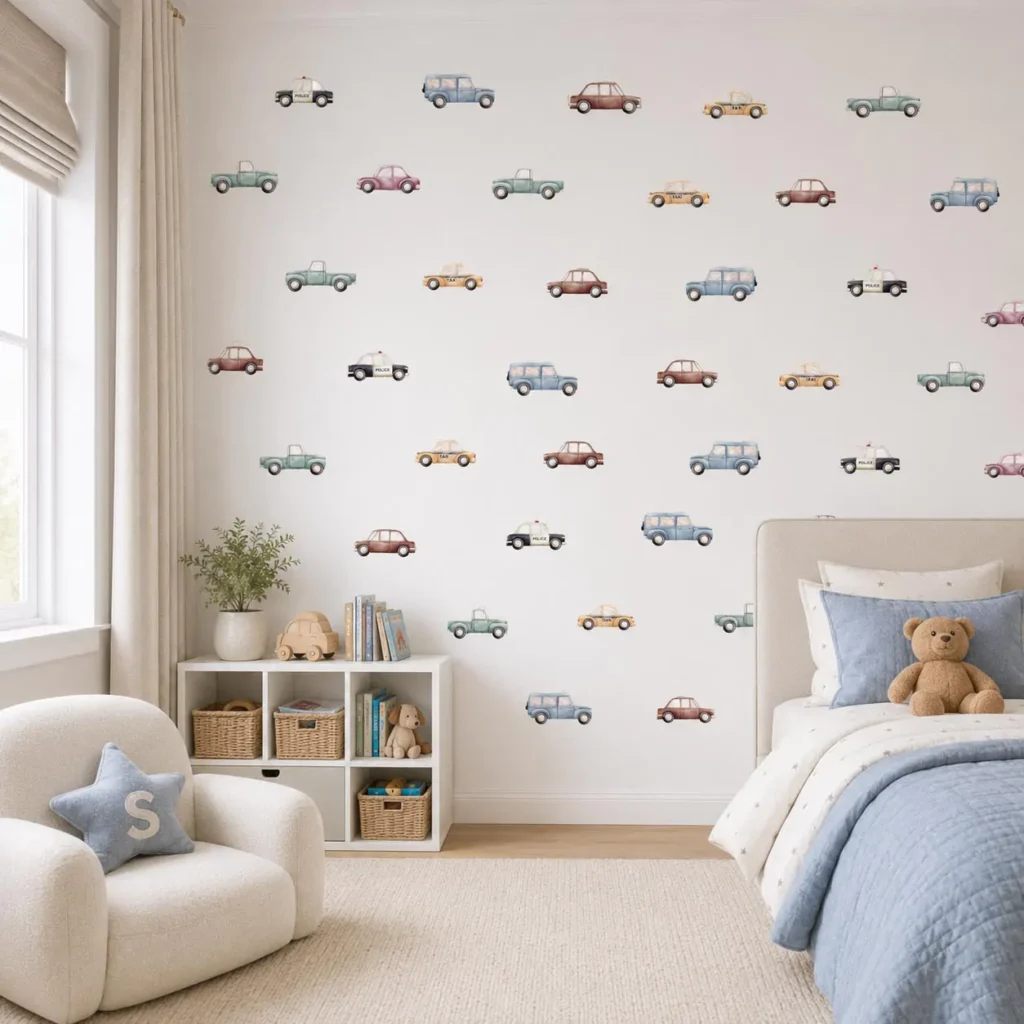
The modern animal theme completely abandons neon colors and exaggerated, animated character styles. Instead, it embraces the beauty of the natural world through realistic, anatomically respectful depictions of wildlife. To execute this sophisticated safari look, start with a muted background—perhaps a soft sage green or a warm sandy beige. Introduce animal elements selectively. Rather than covering every wall with animals, designate one area as the primary focal point. This restrained approach prevents the room from feeling chaotic. Incorporating natural textures like a woven rattan pendant light, a jute rug, and natural wood furniture directly complements the organic nature of the realistic animal decor. This creates a cohesive, high-end interior that respects the theme without becoming a caricature.
Elevating the Room with Text-Free Visual Elements
A critical component of this elevated design trend is the strict elimination of typography in the visual decor. Incorporating words, names, or quotes into wall art often detracts from the artistic purity of the space and anchors the design to a very specific, often juvenile, aesthetic.
- Choose highly detailed, realistic illustrations.
- Maintain a strictly text-free visual environment.
- Rely on the visual narrative of the art rather than literal words.
By utilizing text-free, high-quality fabric decals, the room maintains a gallery-like sophistication. This minimalist, visual-first approach ensures the hot air balloon or animal figures command the attention they deserve, creating a timeless environment that easily adapts as the child’s tastes mature.
Which Color Palettes Dominate Modern Boy Nurseries?
Selecting the foundational color palette is arguably the most impactful decision in the nursery design process. While traditional baby blue remains a staple, the modern landscape of baby boy nursery ideas is far more diverse and nuanced. The current trends heavily favor complex, desaturated hues that offer longevity and elegance. These colors are specifically chosen for their psychological benefits, promoting restfulness while providing a sophisticated backdrop for various design elements.
Exploring Sage Green and Soft Earth Tones
Sage green has rapidly become the defining color for modern nurseries. Its connection to nature brings the outdoors inside, creating a restorative and balancing atmosphere. Unlike bright lime or dark emerald, sage green operates almost as a neutral, pairing effortlessly with natural wood tones, crisp whites, and warm greiges.
| Trending Color | Hex Code Reference | Psychological Impact |
| Sage Green | #B2AC88 | Restorative, balancing, natural |
| Warm Greige | #D4CFC9 | Grounding, calm, sophisticated |
| Slate Blue | #708090 | Serene, secure, traditional yet modern |
Applying sage green to all four walls provides a cozy, enveloping feel, while using it on a single accent wall introduces depth without overpowering a smaller space. Integrating earth tones through textiles, such as a terracotta throw blanket or a mustard yellow crib sheet, adds necessary warmth and prevents the green from reading too cool.
Classic Blue and Grey Combinations
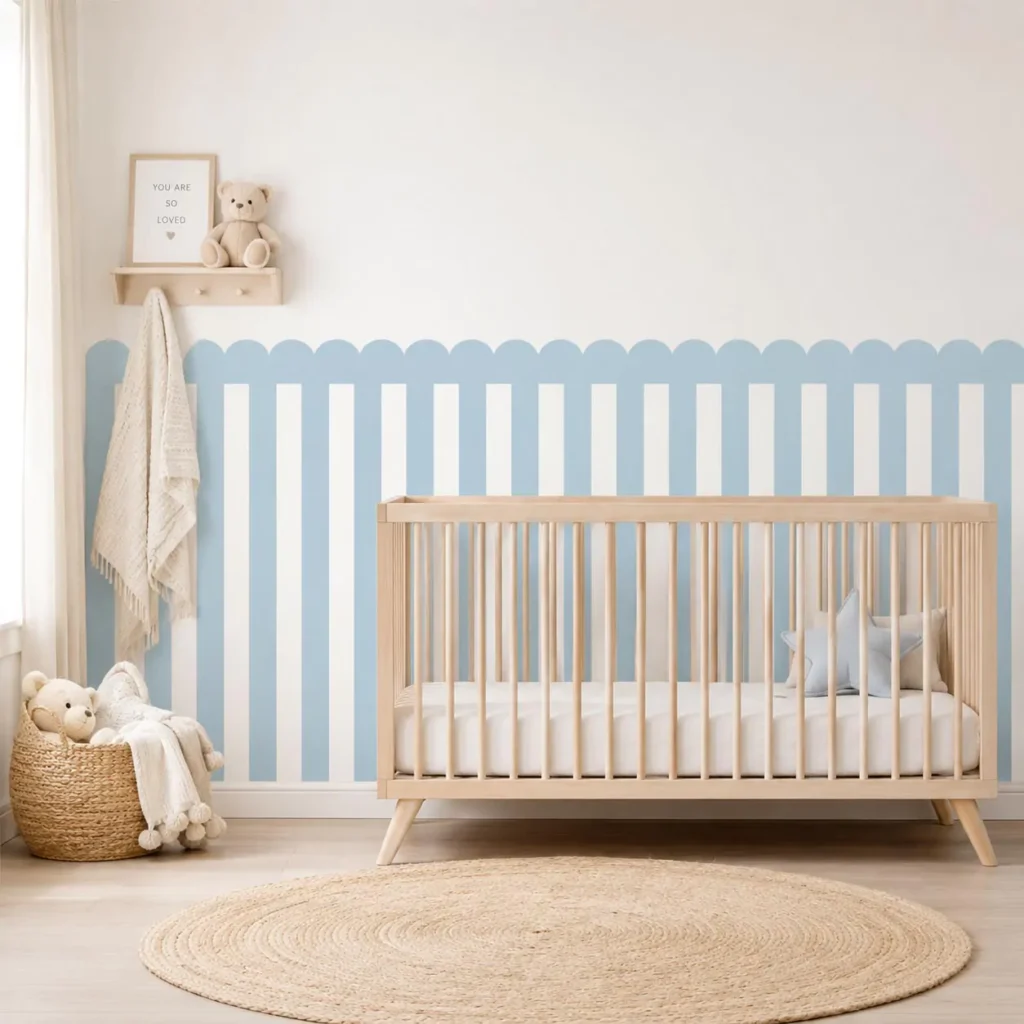
For parents who prefer a nod to tradition, the combination of blue and grey remains an exceptionally popular choice. However, the 2026 iteration of this classic duo is significantly more refined. Navy blue and charcoal grey create a striking, masculine contrast when used sparingly, while soft dusty blue and pale silver-grey offer a gentle, cloud-like ambiance. The success of this palette lies in the contrast ratio and the introduction of texture. A completely flat blue and grey room can feel sterile. Introducing a heavily textured grey rug, a woven blue storage basket, or a high-quality fabric decal featuring subtle blue and grey shading instantly elevates the design, adding necessary visual weight and tactile interest to the environment.
How Do You Create a Stunning Accent Wall for a Boy?
An accent wall serves as the visual anchor of the room, immediately drawing the eye and establishing the design narrative. When exploring baby boy nursery ideas, the accent wall is where parents can take the most creative risks. It is the ideal location to introduce bolder colors, intricate patterns, or large-scale artwork without overwhelming the entire geometric space of the room. The placement is crucial; the accent wall should typically be the first wall visible upon entering the room, or the solid wall behind the crib.
Choosing the Right Texture and Material for Safety
Safety and material integrity are paramount when designing any feature in an infant’s room. Traditional methods like board and batten woodworking or heavy, pasted wallpaper require significant labor, adhesives that may emit VOCs, and long-term commitment. Furthermore, textured wood panels can gather dust and require frequent, meticulous cleaning. Modern design heavily favors materials that are non-toxic, easily cleanable, and safely removable. Utilizing premium fabric materials for the accent wall provides a breathable, environmentally friendly alternative. These materials offer a luxurious, matte texture that softens the acoustic reflections in the room, subtly contributing to a quieter sleep environment for the baby.
Applying High-Quality Fabric Decals Seamlessly
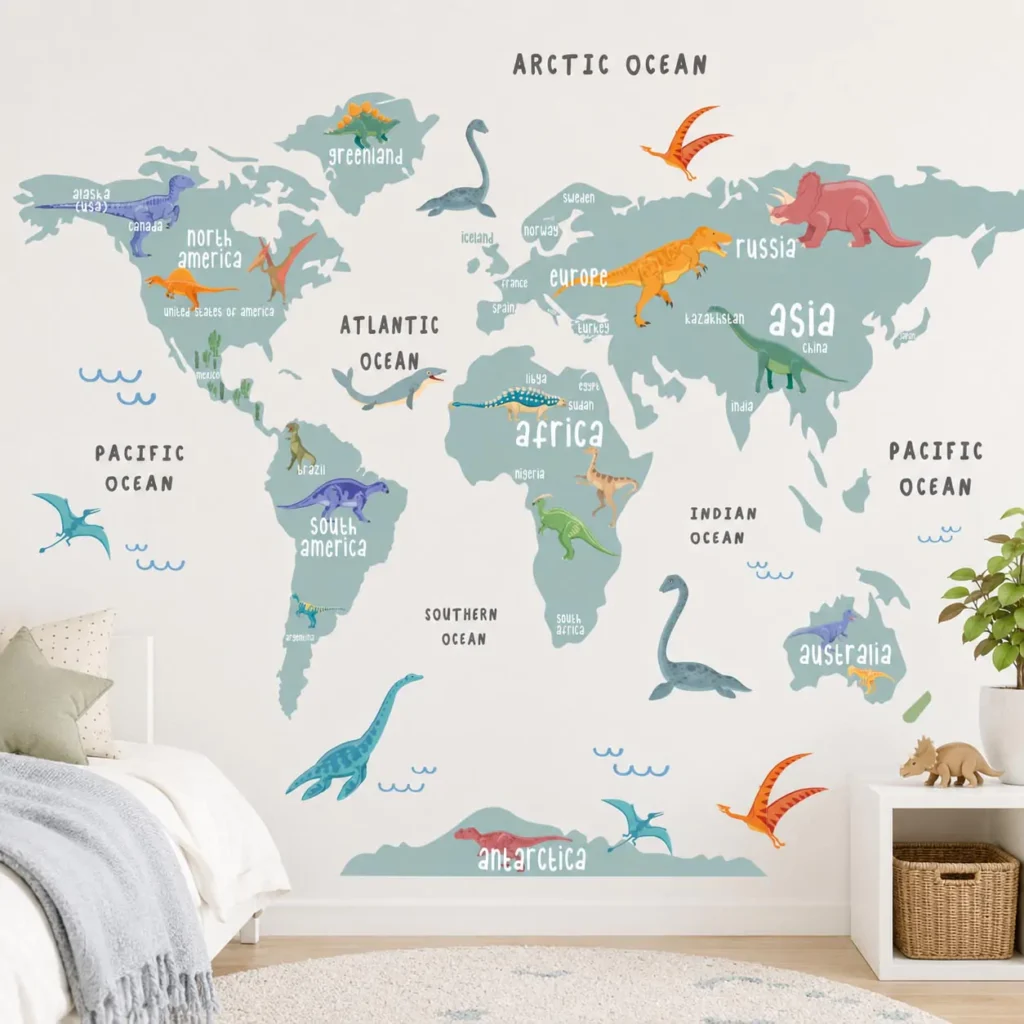
The most efficient and visually striking method for creating a modern accent wall is the application of large-scale, high-quality fabric wall decals. Products designed by specialized brands like dosjunior allow for a transformative aesthetic upgrade in a matter of minutes.
- Thoroughly clean the target wall with a dry microfiber cloth to remove dust.
- Plan the layout using a level and painter’s tape to mark positions.
- Peel a small section of the backing and align the fabric decal carefully.
- Smooth the material downward with a soft squeegee to eliminate air pockets.
Because fabric decals do not stretch or tear like cheap vinyl, they maintain their realistic, precise proportions during application. This text-free, hyper-realistic approach to the accent wall provides a breathtaking focal point that requires no professional installation and leaves absolutely no residue upon removal.
What Are the Best Lighting and Furniture Pairings?
The interplay between lighting and furniture profoundly impacts the functionality and mood of the nursery. Carefully curated baby boy nursery ideas must account for both the aesthetic harmony of the pieces and their practical performance during daytime play and nighttime routines. A beautifully decorated room fails its primary purpose if the lighting disrupts the infant’s circadian rhythm or if the furniture layout creates hazardous obstacles in the dark.
Balancing Dark Furniture with Light Backgrounds
A prominent trend in contemporary design is the bold juxtaposition of dark, rich furniture against light, airy backgrounds. Utilizing a deep walnut crib or a matte navy blue dresser introduces a strong sense of sophistication and visual grounding. However, this high-contrast approach requires careful balancing. If the furniture is dark, the surrounding walls, rugs, and window treatments must remain in the high LRV (Light Reflectance Value) range—such as crisp whites, soft creams, or pale greys. This prevents the room from feeling cavernous or heavy. Furthermore, pairing dark furniture with realistic, nature-inspired fabric decals on a light wall creates a stunning gallery effect, allowing the detailed artwork to stand out brilliantly without competing for visual dominance with the heavy furniture pieces.
Functional and Ambient Lighting Layers for Sleep Health
Lighting in a nursery must strictly operate in layers. A single, bright overhead light is highly detrimental to an infant’s sleep hygiene. The lighting scheme must include at least three distinct layers: ambient, task, and accent lighting.
- Ambient: The main ceiling fixture, strictly installed with a dimmer switch to control overall brightness.
- Task: A focused, low-wattage lamp near the changing station for late-night diaper changes.
- Accent: A soft, warm-glow nightlight (ideally emitting red or amber light) that does not disrupt melatonin production.
Bulbs used in the nursery should consistently fall between 2700K and 3000K on the Kelvin scale, providing a warm, comforting glow. Combined with absolute blackout curtains, this meticulously layered lighting strategy ensures the room can transition instantly from a bright, engaging play area to a dark, sleep-inducing sanctuary.
How to Future-Proof the Room for the Toddler Years?
Infants grow at an astonishing rate, and a nursery design that caters only to a newborn will quickly become obsolete. The most financially responsible and sustainable baby boy nursery ideas incorporate future-proofing strategies directly into the initial blueprint. By anticipating the developmental milestones of the toddler years, parents can create a dynamic environment that evolves effortlessly, saving both time and money on future renovations.
Transitioning Seamlessly from Crib to Toddler Bed
The most significant physical change in the room will be the transition from the crib to a toddler bed. When purchasing initial furniture, investing in a high-quality, 3-in-1 convertible crib is essential. These structures seamlessly transform into a toddler bed and eventually a daybed by simply swapping out the front rail. When planning the initial room layout, ensure there is a minimum clearance zone of three feet around the crib’s designated area. This guarantees that when the crib converts and the toddler gains independence, they have safe, unobstructed access to their bed without tripping over rugs or bumping into heavy dressers. Additionally, storage solutions must shift from parent-height shelves to accessible, floor-level bins that encourage the toddler to independently manage their own toys.
Updating Decals and Themes Without Major Renovations
As the child develops their own distinct personality and interests, the room’s decor will naturally need to reflect those changes. This is where the strategic use of premium fabric wall decals proves exponentially superior to permanent wallpaper or custom murals.
- Fabric decals can be removed cleanly without damaging the underlying drywall.
- The neutral base wall color remains intact, requiring no repainting.
- New, age-appropriate realistic decals can be applied in minutes.
- The text-free nature of the art allows for broader interpretation as the child grows.
By establishing a high-quality, neutral architectural foundation and relying on easily interchangeable fabric decor, the room maintains its sophisticated, minimalist aesthetic. This ensures the space remains functional, beautiful, and deeply personal from the newborn stage well into early childhood.
Frequently asked questions
How much does it cost to decorate a baby boy nursery?
Decorating a nursery typically costs between $1,500 and $3,500, depending heavily on furniture choices. To optimize your budget, invest primarily in a high-quality convertible crib and a supportive mattress, while saving money by utilizing easily removable, premium fabric wall decals instead of expensive custom painting or traditional wallpaper.
What is the best color for a baby boy room?
Sage green is currently the best and most popular color for a modern boy’s room. This highly versatile earth tone provides a calming, restorative psychological effect, pairs perfectly with natural wood furniture, and serves as an excellent neutral backdrop for realistic, minimalist wall decor.
Are fabric wall decals safe for a nursery?
Yes, premium fabric wall decals are exceptionally safe for nurseries. Unlike traditional vinyl options, high-quality fabric decals are breathable, free from harmful Volatile Organic Compounds (VOCs), and utilize water-based adhesives. They also apply securely without peeling edges, eliminating potential choking hazards in the baby’s environment.
How do I arrange furniture in a small nursery?
Arrange small nursery furniture using the “work triangle” method, keeping the crib, changing dresser, and feeding chair in an unobstructed path. Maximize floor space by choosing a dresser that doubles as a changing table, and utilize vertical wall space with floating shelves and zero-footprint fabric wall art.
Conclusion
Designing the perfect space for your newborn involves carefully blending aesthetics with uncompromising functionality. By implementing these modern baby boy nursery ideas, you establish a calming, neutral foundation that supports healthy sensory development. Utilizing space-saving furniture layouts, layering warm lighting, and opting for sophisticated, text-free designs ensures the room remains beautiful and adaptable for years to come. The right decorative elements are crucial for bringing this vision to life without adding physical clutter or harmful materials to the environment.
Explore the exclusive collection of realistic, premium fabric wall decals at dosjunior to effortlessly transform your nursery today.