

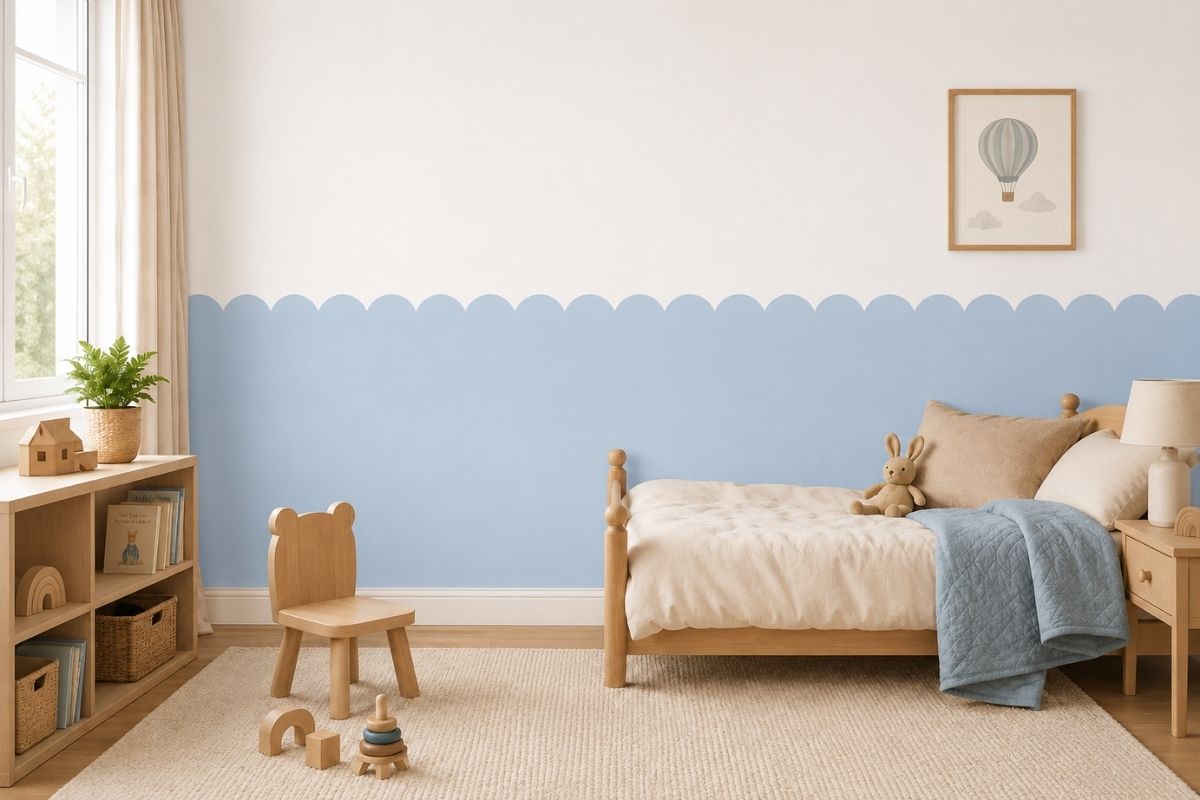
Custom vinyl wall decals offer an innovative, safe, and highly aesthetic solution for nursery interior design. Transforming a blank space into a stimulating yet peaceful environment requires materials that prioritize both visual appeal and infant health. By integrating custom vinyl wall decals, parents can achieve gallery-quality aesthetics without the permanence of paint or the chemical exposure of traditional wall treatments. This extensive architectural and design guide explores the science of adhesion, the psychology behind minimalist visual elements, and the exact methodologies required to engineer a flawless, modern room for your child.
What are vinyl wall decals?
Vinyl wall decals are precision-cut, adhesive-backed graphic elements manufactured from ultra-thin, durable polymer films designed specifically for interior architectural surfaces. They function as a versatile alternative to traditional paint and wallpaper, allowing for rapid visual transformation.
Core characteristics of premium decals:
- Manufactured with water-based, zero-VOC inks for optimal indoor air quality.
- Backed by microsphere adhesive technology for secure grip and residue-free removal.
- Available in matte finishes to eliminate unnatural light reflections.
- Engineered to resist tearing and thermal expansion in climate-controlled homes.
What vinyl is best for wall decals in a nursery environment?
Selecting the appropriate material for a newborn’s room is the most critical decision in the decorating process. The market is saturated with various industrial and commercial plastics, but nursery environments demand strict adherence to pediatric safety standards.
The science of non-toxic polymers and water-based inks
The highest quality custom vinyl wall decals are constructed from specialized, phthalate-free polymers. Traditional industrial vinyl often relies on heavy plasticizers and solvent-based inks that release Volatile Organic Compounds (VOCs) into the air—a process known as off-gassing. In contrast, premium nursery materials utilize 100% water-based ink systems. This ensures that the moment the product is unrolled, the indoor air quality remains completely uncompromised. Infants have highly sensitive respiratory systems, making the elimination of microscopic chemical emissions a non-negotiable factor in modern interior design.
Quality assurance through stock codes and barcode tracking
Ensuring consistent quality across large-scale production requires meticulous tracking. Premium manufacturers utilize sophisticated barcode readers and specific stock codes during the manufacturing process. These barcodes are strictly tools for internal identification and quality assurance, ensuring that the specific roll of material matches the exact color profile and adhesive batch required for a flawless end product. When you receive a high-end product from Dosjunior, the discreet stock codes on the packaging guarantee that your pieces have passed rigorous safety and aesthetic inspections before reaching your nursery.
The importance of the matte finish
When considering what vinyl is best for wall decals, the surface finish plays a crucial role in the final aesthetic. Glossy finishes reflect ambient light and window glare, instantly revealing the product as a plastic sticker. Premium matte vinyl absorbs light, allowing the colors to render naturally and mimicking the texture of a hand-painted mural. This subtle detail is what separates amateur DIY projects from professional-grade interior architecture.
Exploring modern design: 3D wall decals and abstract geometry
The visual landscape of a nursery profoundly impacts a child’s cognitive development and daily mood. Modern parents are moving away from chaotic, overly saturated cartoon characters in favor of sophisticated, gallery-inspired art. Data indicates that over 39,000 active users recently engaged with modern, minimalist nursery solutions, highlighting a massive shift in interior design preferences.
The cognitive benefits of realistic 3D wall decals
Current design psychology heavily favors realistic, text-free imagery. Incorporating 3D wall decals that depict lifelike botanical elements or animals provides visual depth without cognitive overload. For infants whose optic nerves are still developing, hyper-realistic, muted designs offer appropriate focal points. The absence of text removes unnecessary visual clutter, allowing the child’s brain to process the shapes and shadows naturally. A 3D-style, text-free woodland scene, for example, creates an immersive architectural illusion that expands the perceived size of the room while maintaining a calming atmosphere.
Utilizing large wall decals for spatial anchoring
Scale is a fundamental principle of interior design. Instead of scattering dozens of small, disconnected stickers across four walls, architects recommend using large wall decals to create a single, powerful focal point. Placing a massive, realistic floral arrangement or a life-sized tree structure behind the crib anchors the room’s layout. This technique establishes visual hierarchy, making the space feel intentionally curated rather than haphazardly decorated. Large elements act as the room’s master artwork, dictating the color palette for surrounding textiles and furniture.
Abstract wall decals for gender-neutral spaces
For parents designing a gender-neutral environment or those looking for a contemporary edge, abstract wall decals provide unparalleled flexibility. Utilizing organic shapes, soft arches, and muted terracotta or sage tones creates a modern, bohemian aesthetic. Abstract geometry does not impose a specific narrative on the room, allowing the space to age gracefully as the child transitions from infancy to the toddler years. These shapes can be layered to create custom architectural details, such as a faux headboard or a dedicated reading nook.
Will vinyl decals stick to walls? Understanding the physics of adhesion
A primary concern for any homeowner is the reliability of the application. The success of DIY wall decals relies entirely on the interplay between the adhesive backing and the microscopic topography of the wall surface.
Surface texture and the contact area principle
Will vinyl decals stick to walls? Yes, provided the surface offers sufficient contact area. Adhesive requires maximum physical contact with the wall to form a secure bond. Level 4 or Level 5 smooth drywall finishes are the gold standard for application. When a wall has a heavy texture—such as a knockdown, popcorn, or heavy orange peel finish—the decal can only grip the highest peaks of the texture. This leaves microscopic air pockets trapped beneath the material, significantly reducing the overall adhesive strength and leading to premature edge lifting.
Chemical preparation and cleaning protocols
The most common cause of application failure is invisible surface contamination. Airborne dust, cooking oils, and natural skin oils create a microscopic barrier that prevents the adhesive from touching the actual paint. Before applying large wall decals, the surface must be meticulously prepped. Wipe the wall with a dry microfiber cloth to remove loose dust. Follow this by wiping the target area with a solution of 70% isopropyl alcohol and warm water. This specific chemical combination strips away grease and evaporates completely without leaving a residue. Never use ammonia-based glass cleaners or citrus-based degreasers, as these leave chemical films that actively destroy the vinyl’s adhesive backing.
Paint curing and thermal dynamics
Applying custom vinyl wall decals to freshly painted walls is a critical architectural error. Paint may feel dry to the touch within 60 minutes, but the underlying chemical curing process takes a minimum of 30 days. During this curing phase, the paint continuously releases microscopic gases. If a decal is applied too soon, these trapped gases will form distinct bubbles under the vinyl, eventually pushing the decal off the wall entirely. Additionally, ambient room temperature plays a vital role. Application should strictly occur in a climate-controlled environment between 18°C and 25°C. Cold walls stiffen the adhesive, preventing it from activating, while extreme heat makes the vinyl overly elastic and prone to structural warping.
DIY wall decals: Professional application methodologies
Achieving a flawless, painted-on appearance requires more than simply peeling and sticking. Professional installers utilize specific mechanical techniques to ensure large formats remain dimensionally stable during application.
The center-hinge technique for large formats
When handling large wall decals or complex 3D wall decals, attempting to apply the entire piece at once guarantees failure. The professional standard is the “center-hinge method.” Position the entire, unpeeled decal against the wall and secure it precisely across the middle with high-grade painter’s tape. This creates a horizontal hinge. Fold the top half of the decal down, carefully peel the backing paper away from the vinyl, and cut the loose paper off. Using a firm, felt-edged squeegee, smooth the exposed vinyl upward against the wall, starting from the center tape line and pushing outward to expel air. Once the top is secure, remove the center tape, reach under the bottom half, peel the remaining backing downward, and squeegee to the floor. This method ensures absolute zero-gravity alignment.
Essential tooling and pressure application
Fingers are inadequate tools for professional application. Human hands apply uneven pressure and transfer natural oils to the edges of the material. A specialized felt-edged squeegee is required. The rigid plastic core provides the necessary pounds per square inch (PSI) to physically crush the microspheres in the adhesive, activating their grip on the wall’s texture. The felt edge simultaneously protects the delicate matte finish of the vinyl from being scratched or polished. Always apply pressure in overlapping, sweeping motions from the absolute center of the graphic outward toward the perimeter.
Managing intricate details and thin lines
For designs featuring delicate branches, fine geometric lines, or intricate abstract wall decals, a secondary transfer tape is often utilized by the manufacturer. This semi-transparent masking layer holds all the separate elements in their precise spatial relationship during application. Once the main graphic is heavily squeegeed onto the wall, the transfer tape must be pulled back at a razor-sharp 180-degree angle, keeping the tape flat against the wall as you pull. Pulling the tape straight out at a 90-degree angle will yank the freshly applied vinyl right off the drywall.
Can removable wall decals for living room spaces transition to the nursery?
The versatility of modern adhesive decor extends beyond the nursery. Many parents explore whether removable wall decals for living room spaces can be repurposed or integrated into a child’s environment, highlighting the economic and functional flexibility of the product.
Cross-room design continuity
Modern home architecture often favors open floor plans where rooms visually flow into one another. Utilizing abstract wall decals in the living room and carrying a similar, cohesive color palette into the nursery creates a unified interior design language. Because premium materials feature sophisticated, text-free aesthetics, a beautiful botanical piece initially purchased for a shared family space can perfectly anchor a newborn’s room without feeling childish or out of place. This versatility maximizes the investment in high-quality home decor.
The mechanics of reusability and transfer
The core technology that makes these products “removable” is the microsphere adhesive. Unlike permanent construction adhesives that cure and harden, microspheres retain a slightly gelatinous state. If you decide to move a piece from the living room to the nursery, the transfer must be executed scientifically. Gently warm the decal with a hairdryer on low heat to relax the vinyl and soften the adhesive. Slowly peel the graphic back at a 180-degree angle. The decal must immediately be applied to its new, meticulously cleaned location or placed onto silicone-coated parchment paper for transport. Any exposure to dust during the transfer will permanently neutralize the adhesive.
Comparing custom vinyl wall decals to traditional architectural finishes
To fully understand the value proposition of modern adhesive decor, it is necessary to compare it against traditional interior design methods such as custom painting and standard wallpapering.
| Feature | Custom Vinyl Decals | Traditional Wallpaper | Hand-Painted Murals |
| Installation Time | 1–3 hours (DIY) | 2–3 days (Professional) | 4–7 days (Professional) |
| Material Toxicity | Zero VOC, Water-based | Chemical pastes required | High VOC off-gassing |
| Visual Depth | High (3D realism) | Flat, repeating pattern | High (Artist dependent) |
| Removal Process | Heat & peel, no damage | Chemical stripping, drywall repair | Requires heavy sanding & repainting |
Economic efficiency and architectural preservation
The hidden cost of traditional wallpaper and paint lies in the removal process. When a child outgrows a wallpapered room, removing the material often destroys the topmost layer of the drywall, requiring expensive skimming and sanding before the room can be repurposed. Hand-painted murals lock the room into a specific theme for years due to the immense labor required to paint over dark colors. Custom vinyl wall decals eliminate these downstream architectural costs. They offer the visual impact of a mural and the texture of wallpaper, with the ultimate freedom to revert the room to a blank slate in under an hour with zero structural damage.
Frequently asked questions
What is the difference between vinyl and vinyl decals?
Vinyl is the raw, base polymer material manufactured in large industrial rolls, used for everything from flooring to automotive wraps. Vinyl decals are the finished, precision-cut, printed architectural products specifically engineered with specialized interior adhesives and water-based inks for safe application on residential walls.
Are large wall decals safe to apply over standard textured walls?
While premium adhesives are robust, they perform optimally on smooth surfaces. Light “orange peel” textures generally support large decals well. However, heavy textures significantly reduce the adhesive’s contact area, which can trap air and cause premature peeling. Smooth, Level 5 drywall remains the absolute best surface for long-term durability.
How much do DIY wall decals save compared to professional murals?
Choosing DIY application saves homeowners substantial capital. Professional muralists charge thousands of dollars for labor and require days of access to your home, whereas premium large-format decals offer hyper-realistic, 3D-style aesthetics for a fraction of the cost, completing the room’s transformation in just a few hours.
Can I reuse custom vinyl wall decals after moving to a new house?
Yes, high-quality pieces featuring microsphere adhesives can be relocated if handled correctly. The surface must be gently heated to soften the grip, peeled back sharply at 180 degrees, and immediately transferred to silicone parchment paper to prevent dust from ruining the adhesive backing during transit.
Conclusion
Designing the ultimate nursery requires a meticulous balance of visual elegance, structural safety, and long-term flexibility. Custom vinyl wall decals provide a superior architectural solution, bypassing the toxicity of traditional paints and the permanence of heavy wallpapers. By understanding the science of wall adhesion, prioritizing non-toxic water-based manufacturing, and embracing modern, text-free 3D designs, parents can engineer a sophisticated environment that stimulates their child’s development while preserving the home’s underlying architecture.
If you are looking for realistic and minimalist touches that reflect your child’s imaginative world, instantly transform your walls with Dosjunior’s unique designs.