Showing 1–12 of 67 resultsSorted by popularity
Wall Decals for Kids’ Rooms & Nurseries
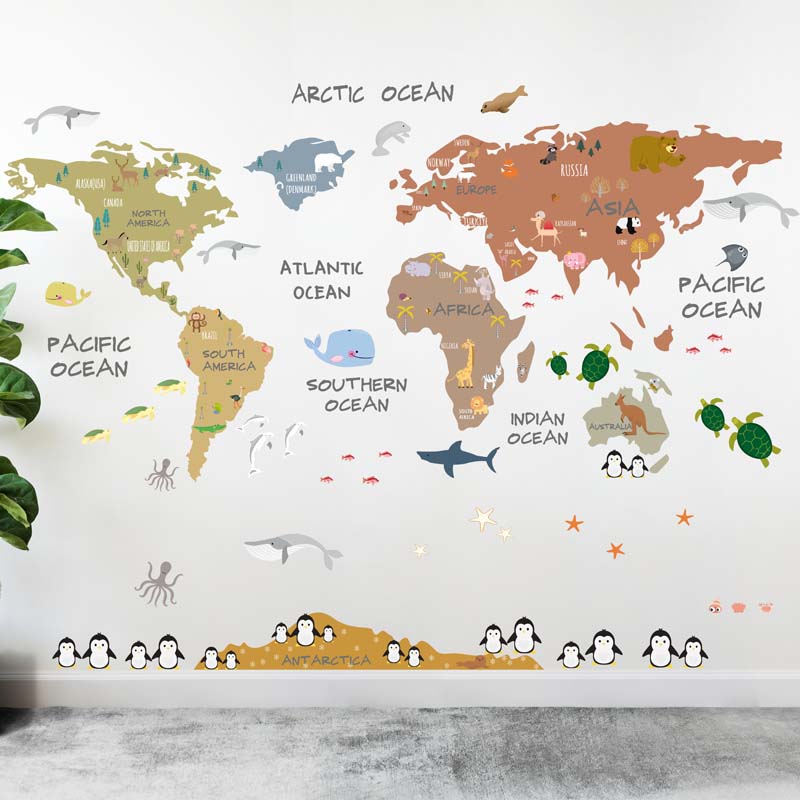
Wall decals are one of the simplest ways to bring personality, color, and imagination into a child’s space — without the commitment of paint or wallpaper. Whether you’re designing a nursery from scratch, refreshing a toddler’s room, or styling a shared bedroom, the right decals can transform a wall in minutes. Browse our themed categories below to find designs ranging from gentle animals and dreamy florals to educational world maps and bold statement murals.
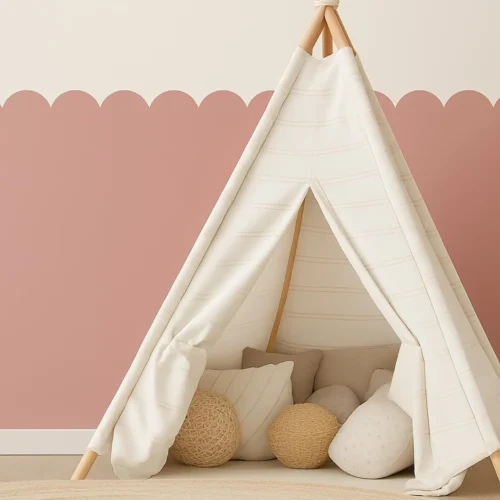
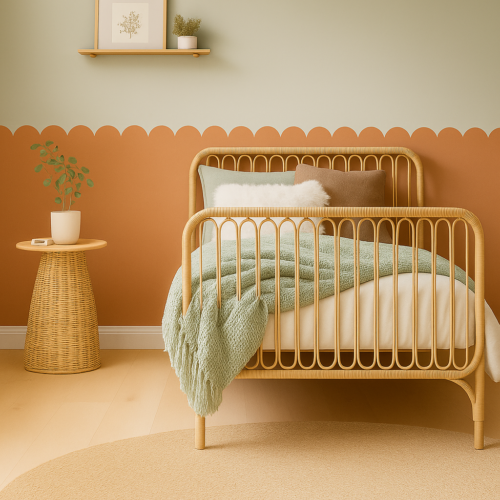
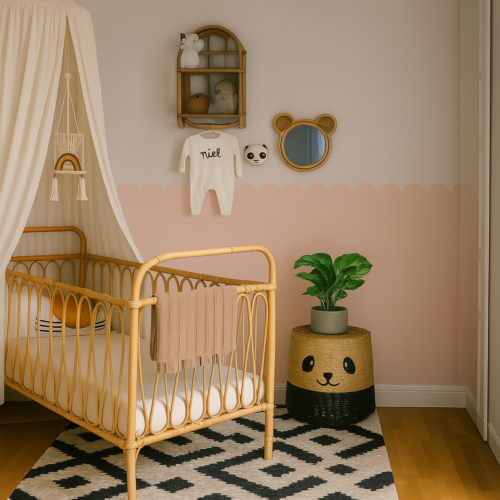
Pastel Scalloped Wall Border
$20.00
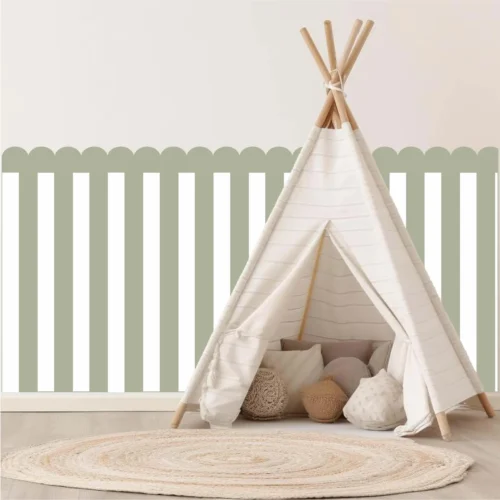
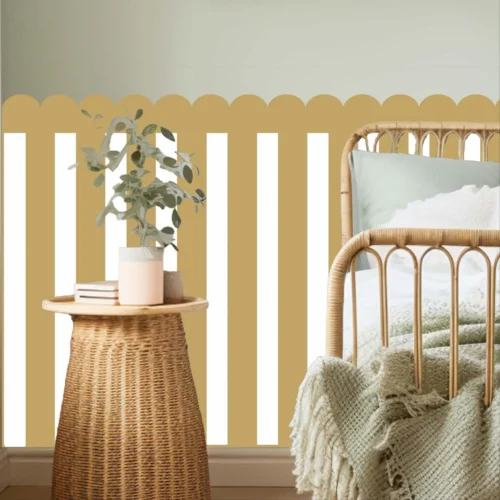
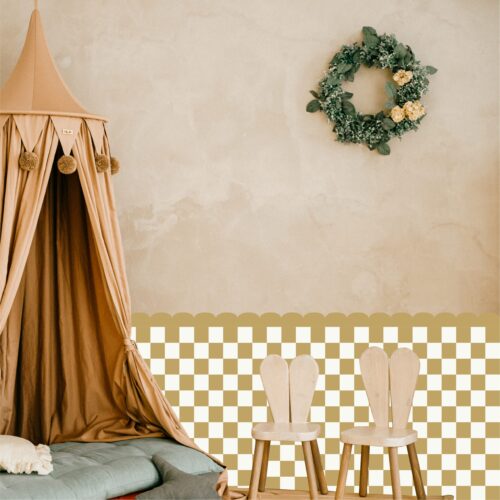
Striped Scallop Wall Decal
$20.00
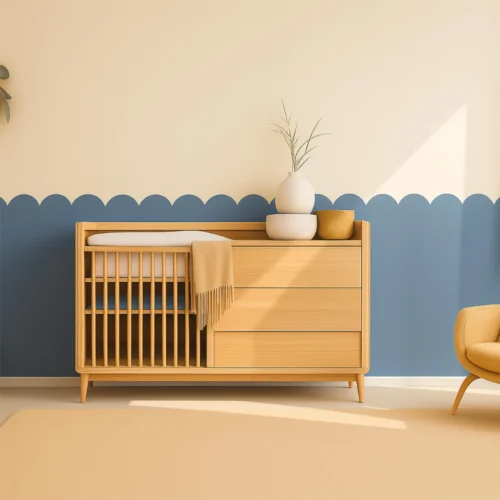
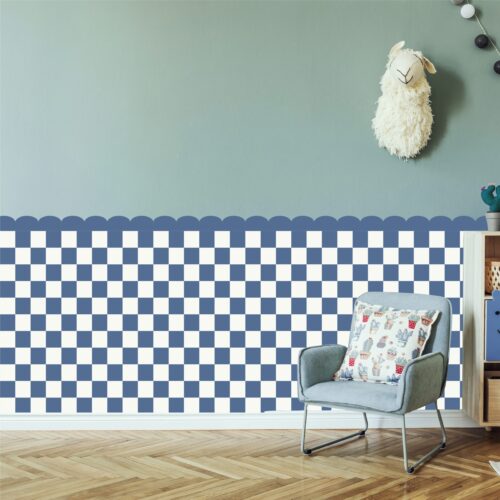
Scallop Wall Decal
$20.00
What Are Nursery Wall Decals?
Nursery wall decals are removable wall stickers designed to add color, character, and creativity to a child's room without the permanence of paint or wallpaper. They typically come as individual pieces you arrange yourself, allowing you to build scenes, frame furniture, or accent a single wall. Most modern wall decals use a low-tack adhesive that sticks firmly during use but lifts cleanly when removed, making them a popular choice for parents in apartments, rental homes, or any space where flexibility matters.
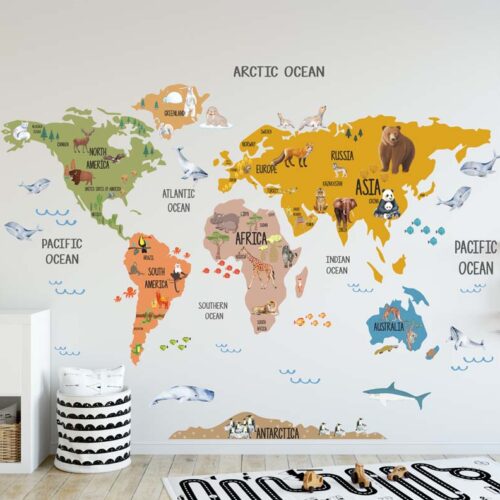
Beyond aesthetics, wall decals can also support early learning. Designs featuring animals, letters, numbers, world maps, or shapes give children visual cues that spark curiosity and conversation, turning a bedroom into a low-pressure learning environment that grows with them.
How to Choose Wall Decals for a Kids' Room
Choosing the right wall decal comes down to a few practical considerations: the age of the child, the size of the wall, the room's color palette, and the longevity you expect from the design. For nurseries, soft and neutral themes like clouds, polka dots, stars, or gentle animals create a calming atmosphere ideal for sleep. For toddler and preschool rooms, more vibrant themes such as rainbows, vehicles, dinosaurs, or jungle animals tend to capture attention and stimulate imagination.
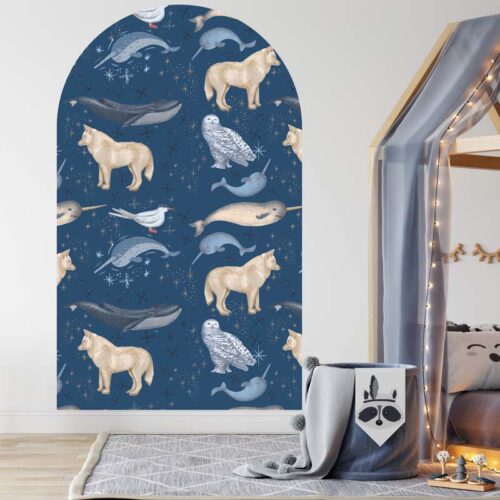
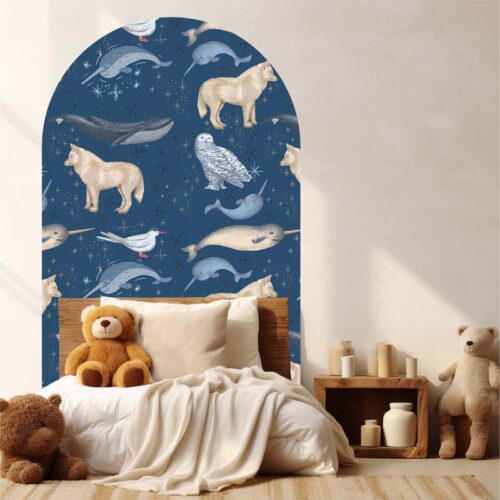
Scale matters more than parents often realize. A wall full of small scattered decals creates a different feeling than one large arch mural or focal piece above a crib. As a general guide, smaller decals work well for accent areas and pattern repetition, while larger murals are better suited as statement pieces behind a bed or above a dresser.
If you're decorating a shared room or a space your child will use for years, opt for designs with timeless appeal — botanicals, abstract shapes, world maps, or muted color palettes — rather than character-driven trends that may feel outgrown within a year or two.
How to Apply Wall Decals Step by Step
1. Wait for paint to fully cure. If your wall is freshly painted, allow at least three to four weeks before applying any decal. Curing paint releases moisture that can prevent proper adhesion.
2. Clean the surface. Wipe the wall with a slightly damp cloth and let it dry completely. Dust, oil, or residue from cleaning sprays can weaken the adhesive.
3. Plan your layout first. Lay all decal pieces on the floor and arrange the composition before sticking anything. Many parents use painter's tape to lightly mark positions on the wall.
4. Peel and place gently. Lift each decal from its backing slowly and place it on the wall with light pressure. If repositionable, you can lift and adjust until you're happy with placement.
5. Smooth from the center outward. Use your hand, a soft cloth, or a credit card wrapped in fabric to press the decal flat, working from the middle toward the edges. This prevents trapped air bubbles.
Wall Decals vs. Wallpaper: Which Is Better for a Nursery?
Both wall decals and wallpaper can transform a nursery, but they serve different purposes. Wall decals are best when you want flexibility, an accent feature, or a temporary design you can change as your child grows. They install in minutes, require no tools, and remove without damaging paint when chosen properly.
Wallpaper, on the other hand, covers an entire wall in a continuous pattern and creates a more committed, finished look. Modern peel-and-stick wallpapers are removable too, but they take longer to install and require careful seam alignment. For most nurseries, wall decals offer a faster, lower-risk way to add personality — especially for first-time parents still settling into a design vision.
Frequently Asked Questions
Are wall decals safe for babies and nurseries?
Wall decals are generally considered safe for nurseries when made from non-toxic materials and applied above the reach of crib-bound infants. Look for products that specify they are phthalate-free, lead-free, and printed with water-based or eco-solvent inks. Avoid placing small decals where a baby could potentially reach and peel them off.
Do wall decals damage paint when removed?
High-quality removable wall decals should not damage paint when applied to fully cured walls and removed correctly. Damage typically occurs when decals are applied to fresh paint, low-quality flat paints, or when removed too quickly. To remove safely, peel slowly at a low angle and use a hairdryer on warm setting if the decal resists.
How long do wall decals last?
Most quality wall decals last between three and seven years on a wall without fading or peeling, depending on the material, sunlight exposure, and humidity in the room. Decals in rooms with direct sunlight or high humidity (such as near windows or radiators) may show wear sooner.
Can wall decals be reused or repositioned?
Some wall decals are designed to be repositionable and can be moved several times during installation. However, most decals lose adhesive strength after multiple removals. If you plan to reuse them later, store them on their original backing sheet or wax paper in a cool, dry place.
What surfaces do wall decals stick to best?
Wall decals adhere best to smooth, clean, painted walls with an eggshell or satin finish. They also work on glass, mirrors, doors, furniture, and metal surfaces. Decals usually do not stick well to brick, heavily textured walls, freshly painted surfaces, or walls coated in flat or matte paints with high pigment content.
What's the difference between vinyl and fabric wall decals?
Vinyl wall decals are typically thinner, glossier, and more affordable, making them popular for quotes and simple shapes. Fabric wall decals (sometimes called polyester or canvas decals) have a soft matte finish that resembles painted artwork and tends to be more forgiving during application. Fabric decals are also generally easier to remove and reposition than vinyl.
Where should I place wall decals in a nursery?
The most common placement is above the crib, dresser, or changing table to create a focal point. For safety, avoid placing decals directly within a baby's reach to prevent any pieces from being pulled off. Many parents also use decals to frame doorways, decorate closet doors, or add detail to the corners and edges of the room rather than covering full walls.
How do I choose the right size wall decal?
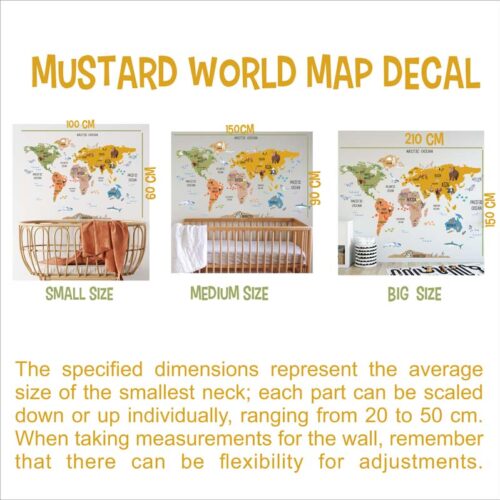
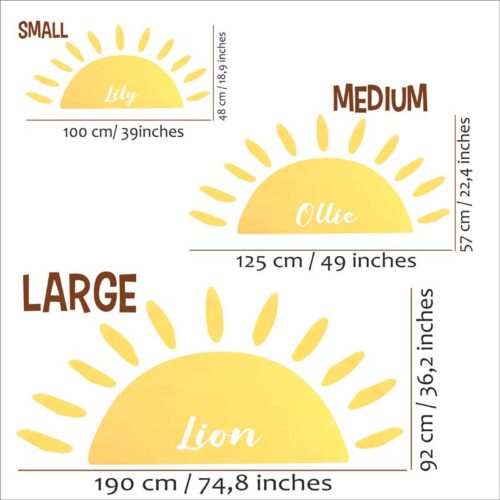
Measure your wall before ordering and visualize the decal at scale by cutting newspaper or kraft paper to the listed dimensions and taping it to the wall. As a rule of thumb, focal decals should cover roughly two-thirds the width of the furniture they sit above (such as a crib or dresser), while scattered patterns work best when sized to fill the visual area without overwhelming the room.